
Security
Benue Residents Call for Help as Armed Herdsmen Threaten Communities

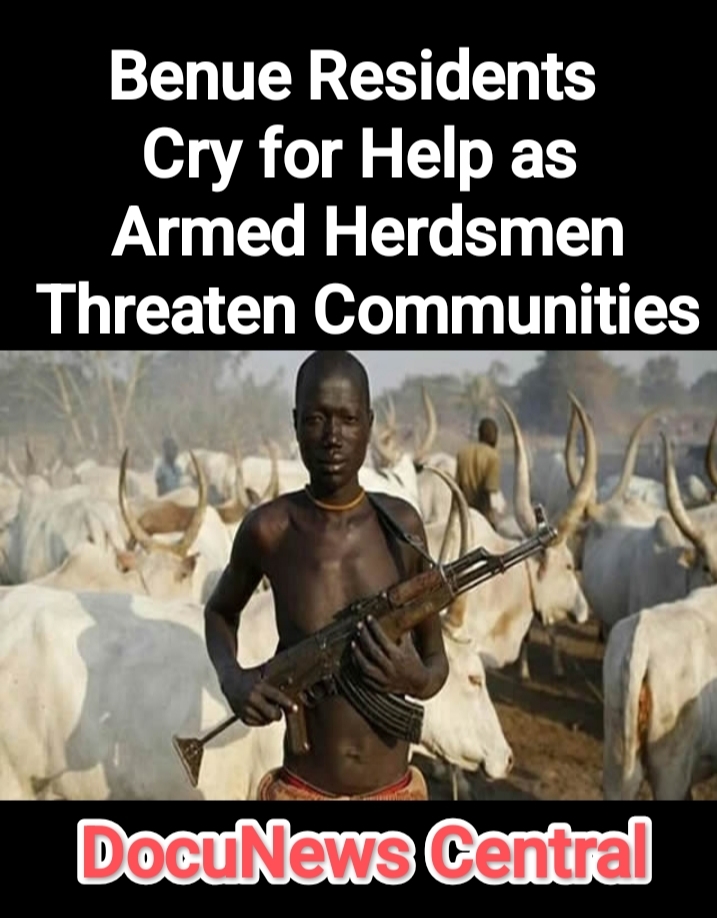
In the heart of Nigeria’s Middle Belt, anxiety has continued to spread across rural settlements as people struggle to protect their homes, farms, and families. Each morning arrives with uncertainty, while each night brings fresh fear. Across several local areas, voices have grown louder, yet answers remain slow. Families now speak openly about danger that once lingered in whispers.
For many households, daily routines have changed completely. Farmers now leave their homes before sunrise, hoping to return before dusk. Parents limit children’s movements, while community leaders hold emergency meetings almost every week. Although the situation has evolved over time, the pressure has reached a point where silence no longer feels safe.
Consequently, residents have begun to speak with one voice. They insist that urgent intervention must replace delayed promises. While official statements continue to surface, affected communities say presence on the ground matters more than press releases. At this moment, people want protection, reassurance, and stability. Read Another Security update here At Least 50 Killed as Gunmen Storm Kasuwan Daji Market in Niger
Rising Tension Across Rural Settlements
Across farming belts and riverine edges, reports from locals point to repeated movements by armed groups. These movements, residents say, often happen without warning. As a result, many villages now rely on informal alert systems, using phone calls, messengers, and local vigilante networks to warn one another.
Meanwhile, elders describe how farmlands once full of activity now remain partially abandoned. Crops suffer because tending them has become risky. Therefore, food supply worries have added another layer of concern to already stressed households. When livelihoods face disruption, frustration naturally follows.
Additionally, youth leaders argue that prolonged insecurity creates long-term damage. According to them, young people lose interest in farming and community work. Instead, many consider relocating to cities, even when opportunities remain uncertain. This gradual shift, they warn, could weaken rural economies permanently. Many people are reacting to this headline Sheikh Gumi Claims Boko Haram Has Marked Him for Elimination
Benue Residents and Growing Calls for Help
Community representatives across multiple districts have emphasized that their appeals are not new. However, they stress that recent developments demand faster responses. Although meetings have taken place with local officials, villagers say follow-through remains inconsistent.
Furthermore, traditional leaders have stepped forward to mediate dialogue where possible. They acknowledge that coexistence once worked through mutual respect and shared resources. However, they also admit that the present reality feels different. Access to land, water routes, and grazing paths has become more complicated.
At the same time, faith leaders have joined the conversation. From pulpits and community halls, they call for calm while urging authorities to act decisively. Their messages focus on unity, restraint, and protection of innocent lives. Still, many listeners quietly wonder how long patience can last.
Security Presence and Local Expectations
Security agencies have maintained that they remain committed to restoring calm. Patrols have increased in some corridors, while checkpoints appear along major access roads. Nevertheless, villagers argue that these measures often stay far from the most affected areas.
Because of this gap, residents continue to rely heavily on self-organized watch groups. These groups, though determined, lack advanced tools and formal backing. Consequently, their effectiveness remains limited, especially when faced with well-armed intruders.
Moreover, civil society organizations have urged authorities to adopt community-based security strategies. According to experts, local knowledge offers valuable early-warning signals. When combined with official support, such collaboration could reduce response time significantly. You may have missed this news Deadly Attack on Yola Farm Leaves Three Women Dead
Human Stories Behind the Headlines
Beyond statistics and statements, personal experiences reveal the depth of the crisis. A middle-aged farmer from a riverbank settlement explained how he now farms in shorter intervals. He shared that every sound triggers alertness. Although he loves the land, fear has reshaped his relationship with it.
Similarly, a mother of four described how her children no longer play freely outdoors. Instead, they remain close to home, watching adults closely. She explained that childhood joy feels fragile when safety remains uncertain.
These stories repeat across villages, forming a pattern of shared distress. While each experience differs, the emotional weight connects them all.
Communities Respond as Armed Herdsmen Pressure Continues
Local associations have begun coordinating across boundaries. Through joint meetings, representatives exchange information and strategies. This cooperation, they believe, strengthens resilience even under pressure.
In addition, advocacy groups have intensified outreach to state and federal bodies. Letters, petitions, and peaceful demonstrations aim to keep attention focused on the situation. Organizers emphasize that sustained visibility often drives action.
Importantly, community voices stress that their demands remain clear. They seek protection, dialogue, and accountability. They also request transparent communication to reduce rumors and panic.
Government Response and Public Confidence
Government officials have acknowledged the concerns raised by residents. Statements often highlight ongoing efforts and planned operations. However, trust depends largely on visible outcomes rather than intentions.
Analysts note that restoring confidence requires consistency. When residents see patrols regularly, they feel reassured. When security gaps persist, fear returns quickly. Therefore, maintaining presence matters as much as deploying forces.
Additionally, policy experts recommend addressing root causes. Resource management, land-use agreements, and conflict resolution frameworks must evolve with population growth. Without long-term planning, short-term security measures may struggle to hold.
Regional Implications and Broader Impact
The situation extends beyond local boundaries. Neighboring regions watch developments closely, aware that instability rarely stays confined. Trade routes, food supply chains, and social ties link many areas together.
Economic observers warn that prolonged disruption could affect market prices. When farming slows, food scarcity risks increase. Therefore, addressing insecurity also supports national food stability.
For broader security updates across the country, readers can explore related coverage on DocuNews Central – Security updates Nigeria
Role of Dialogue and Peacebuilding
Despite fear, many community leaders still believe in dialogue. They argue that sustainable peace grows from understanding, not force alone. Mediation initiatives, when supported, can ease tensions and clarify boundaries.
Peacebuilding organizations continue to promote inclusive discussions. They stress that all stakeholders must participate openly. Without representation, agreements often fail to last.
For deeper insight, see analysis from International Crisis Group.
Path Forward: What Residents Want
At the core of every appeal lies a simple request: safety. Residents want to farm without fear, sleep without anxiety, and raise children in peace. They also want reassurance that their concerns matter.
Community spokespeople outline expectations that include sustained security presence, rapid response units, and structured dialogue platforms. They emphasize cooperation rather than confrontation.
A Collective Plea That Cannot Be Ignored
As discussions continue, voices remain firm. Benue Residents Cry for Help as Armed Herdsmen Threaten Communities now reflects lived reality rather than rhetoric. Each appeal carries urgency shaped by daily experience.
For now, communities wait for reassurance backed by action. They wait for stability to replace uncertainty. Most importantly, they wait for a future where safety feels normal again.
