
Security
Despite Ransom Payment, Bandits Kill Kogi Victim

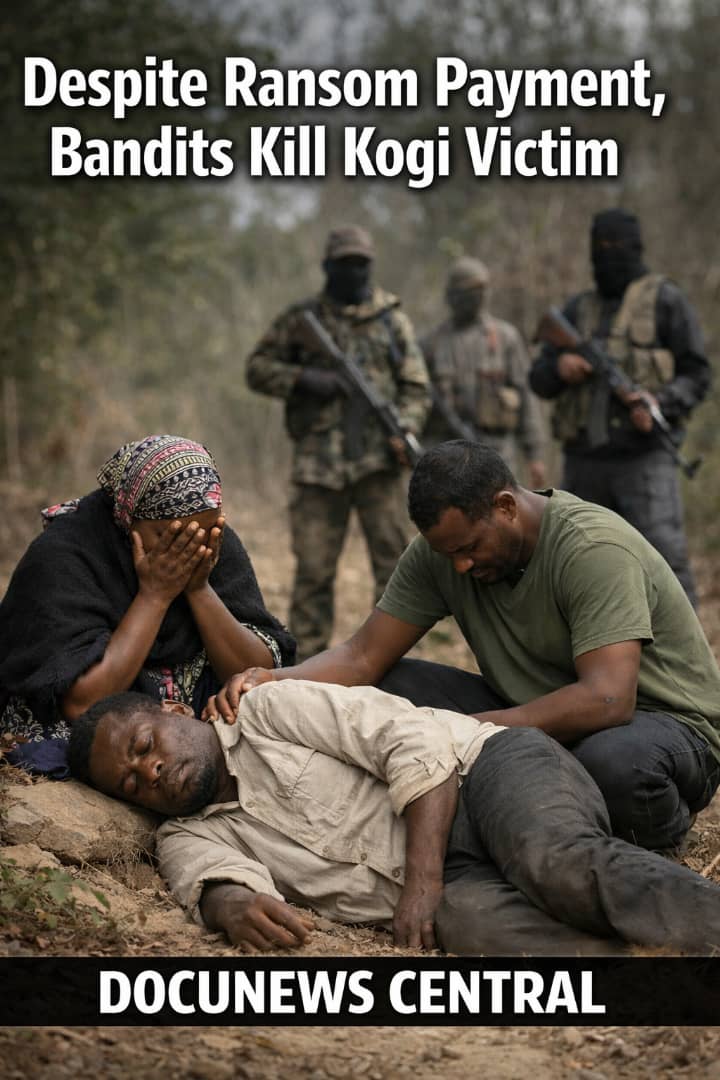
The killing of a Kogi resident after ransom payment has once again exposed the deepening insecurity spreading across central Nigeria. The incident has triggered grief, anger, and renewed debate about the effectiveness of current security strategies. Although relatives reportedly met the financial demands made by the attackers, the victim did not return home alive. This outcome has intensified fear among rural communities that already live under constant threat. It was unfair that “Despite Ransom Payment, Bandits Kill Kogi Victim”
Across Kogi State, stories of abduction have become disturbingly frequent. However, cases where payment fails to secure freedom strike a deeper psychological blow. Families often believe negotiation offers hope. When that belief collapses, trust in every informal survival strategy also disappears. As a result, anxiety now shapes daily movement, farming routines, and commercial activities.
This report examines the circumstances surrounding the incident, community reactions, security implications, and broader trends linked to violent crime in the North-Central region. It also explores why ransom culture continues to grow and how it undermines public safety.
What Happened in the Kogi Community
According to local accounts, the victim was seized while carrying out routine activities within his community. Shortly after the abduction, armed men contacted family members and demanded a large sum of money. Negotiations followed, involving intermediaries familiar with the terrain. Eventually, relatives gathered more than one million naira and added personal belongings, including a motorcycle and a mobile phone, to meet the conditions.
Despite these efforts, the victim was later discovered dead. News of the killing spread quickly through nearby settlements. Residents described a mix of disbelief and rage, especially because compliance did not lead to release. Community leaders later convened emergency meetings to calm tensions and prevent reprisals.
Although authorities have not released full operational details, security sources confirmed awareness of the case and stated that investigations had begun. No arrests have been announced at the time of reporting. Read also Army Rescues Colonel in Plateau, Averts ₦200 Million Ransom
Community Reaction
The emotional impact on the local population has been severe. Many residents expressed fear that ransom payments no longer guarantee safety. As a result, some families now question whether negotiation remains a viable option. Others worry that refusal could provoke immediate violence.
Traditional rulers and youth representatives condemned the attack and called for stronger security presence along rural routes. Religious leaders also urged calm while demanding accountability. In several villages, night patrols were quietly reinforced, although residents admitted these measures offered limited protection.
Local traders reported reduced market attendance following the incident. Farmers delayed early-morning trips to their fields, while transport operators avoided isolated roads. These changes reflect how single events reshape economic and social behavior. No wonder why people are reacting to this headline also US Congressman Confirms Violence Against Nigerian Christians and this Edo Abduction: Gunmen Kill One Doctor, Second Remains Captive
Ransom Culture and Its Dangerous Evolution
Over recent years, ransom-related crime has evolved into an organized system. Armed groups study communities, identify vulnerable targets, and exploit weak surveillance. Payments often fund further operations, creating a cycle that feeds on fear.
In many cases, families act quickly because official rescue efforts appear slow or uncertain. However, repeated payments can embolden criminal networks. When killers ignore agreements, the psychological damage becomes even greater, since victims lose both money and loved ones.
Security analysts warn that unchecked ransom culture weakens state authority. Once non-state actors control negotiation terms, law enforcement credibility suffers. This erosion affects not only crime prevention but also long-term stability.
Security Challenges in Kogi State
Kogi occupies a strategic location connecting several regions. Unfortunately, its vast forests and border routes also attract armed groups seeking hideouts. Limited manpower and difficult terrain complicate surveillance operations.
Although security agencies conduct periodic patrols, residents argue that response times remain slow. In remote communities, communication gaps further delay intervention. These weaknesses allow attackers to operate with confidence.
State authorities have repeatedly pledged to improve coordination with federal forces. Joint operations have recorded some success, yet isolated incidents continue to occur. Each case renews calls for a more permanent presence rather than reactive deployments.
Despite Ransom Payment, Bandits Kill Kogi Victim and Raise National Concern
The incident has drawn attention beyond Kogi. Civil society groups described the killing as evidence that current approaches require urgent review. Human rights advocates stressed the need for victim-centered policies that prioritize prevention.
National conversations about security funding, intelligence sharing, and community policing resurfaced following the report. Analysts noted similarities with cases in neighboring states, suggesting a regional pattern rather than isolated failure.
Media coverage has also amplified public pressure. Social platforms filled with demands for transparency, while commentators questioned whether perpetrators would face justice.
Government Response and Official Statements
Government representatives condemned the killing and expressed sympathy for the bereaved family. Officials reiterated commitment to restoring safety and promised to support ongoing investigations.
Security agencies urged residents to share credible intelligence and avoid direct confrontation with armed groups. They emphasized that coordinated reporting improves response efficiency.
While such assurances offer some reassurance, many citizens remain skeptical. Past promises, they argue, did not prevent recurring violence.
Impact on Rural Livelihoods
The effects of violent crime extend beyond immediate loss. Farming schedules, schooling, and trade all suffer disruption. When movement becomes risky, productivity declines.
In Kogi, agriculture sustains many households. Fear-driven delays reduce harvest yields and income. Over time, this insecurity can deepen poverty and fuel migration toward urban centers.
Educational activities also feel the strain. Parents hesitate to allow children travel long distances, especially in areas near forested routes.
The Role of Community Vigilance
Communities often rely on informal vigilance groups to supplement official efforts. These groups understand local geography and can identify unusual movement. However, limited equipment restricts effectiveness.
Experts caution that unregulated vigilante action carries risks. Without proper coordination, mistakes can escalate violence. Therefore, collaboration with formal security structures remains essential.
Some local leaders advocate structured community policing models that integrate residents into intelligence networks while maintaining accountability.
Regional and International Perspectives
Security observers compare Nigeria’s experience with other regions facing similar challenges. In several countries, successful reduction of ransom-related crime involved stronger border control, technology-driven surveillance, and economic support for vulnerable communities.
International organizations continue to offer technical assistance and policy guidance. Reports from global security think tanks highlight the importance of addressing root causes alongside enforcement.
For further context on regional security trends, readers can explore analysis published by international research bodies and humanitarian organizations.
Why Justice Matters
Accountability plays a crucial role in deterrence. When perpetrators face consequences, communities regain confidence. Conversely, prolonged silence fuels suspicion and fear.
Legal experts stress transparent investigation processes. Clear communication about progress reassures the public and counters misinformation.
Families affected by violence also require long-term support, including counseling and economic assistance.
Steps Toward Prevention
Preventing future incidents demands a multi-layered approach. Improved intelligence gathering, rapid response units, and technology adoption can reduce risk.
Equally important, economic empowerment programs help limit recruitment into criminal networks. When legitimate opportunities expand, incentives for violence decline.
Public awareness campaigns also matter. Educating communities about safe travel practices and reporting channels strengthens collective resilience.
Conclusion
The killing of a Kogi resident after ransom payment underscores the urgent need for comprehensive security reform. Beyond mourning, society must confront the systems that allow such crimes to persist.
As investigations continue, communities hope for justice and lasting change. Restoring safety requires commitment from authorities, cooperation from citizens, and sustained attention from national stakeholders.
Until effective solutions take hold, vigilance remains the reality for many Nigerians navigating daily life under threat.
Source: Premium Times Nigeria | Vanguard Nigeria
Related: Terror Strikes Katsina as Armed Men Raid Communities at Night and ISWAP Militants Ambush Nigerian Troops in Borno kill 9
