
Breaking news
Who Is Bello Turji? Full Profile, Crimes, and Latest Update

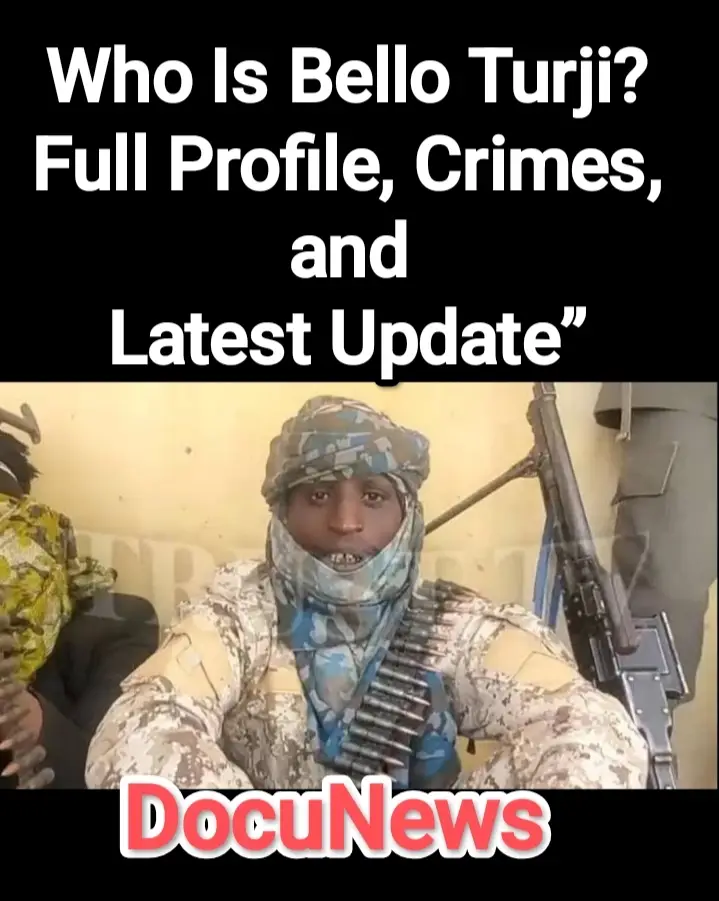
Who Is Bello Turji? Full Profile, Crimes, and Latest Update
Who is Bello Turji? Bello Turji Kachalla is widely regarded as one of the most notorious and persistent bandit leaders in Nigeria’s Northwest. Over more than a decade, his name has become synonymous with large‑scale violence, kidnappings, extortion, illegal levies on rural populations, and complex criminal networks that span states including Zamfara, Sokoto, and Niger. His operations have shaped the trajectory of banditry in modern Nigeria and have posed deep challenges to national security, local governance, and community resilience.
Across rural towns and villages, Turji has been characterized as both feared and strategic. His rise illustrates structural problems tied to weak rural economies, limited educational opportunities, and deep‑rooted grievances that have made some regions in Northern Nigeria fertile ground for armed groups. His trajectory from an obscure youth to a central figure in Nigeria’s conflict landscape reflects the intersection of socioeconomic marginalization and organized violence.
As of January 2026, Nigerian military and security operations against Turji have intensified. Authorities claim progress in degrading his network, yet he reportedly continues to evade capture, adapt his strategies, and maintain influence both within armed ranks and in fragmented communities affected by years of insecurity. The story of Bello Turji, therefore, is not only about individual criminality but also about systemic challenges in governance, security architecture, and community protection.
Read Also From Barracks to Banditry: Dismissed Army Officers Arrested for Armed Robbery
Early Life and Background
Bello Turji was born in 1994 in Shinkafi Local Government Area, Zamfara State, a region historically marked by pastoral economies, trans‑Saharan trade routes, and periodic competition over land and water. Growing up in rural communities with limited access to formal education, health services, and stable economic pathways, Turji’s formative years reflect the lived realities of many youths in underserved hinterlands of Northern Nigeria.
Early biographical accounts suggest Turji engaged in petty crimes during adolescence. Local testimonies describe him as determined, physically resilient, and quick to establish alliances with peers. In communities where cattle rustling and informal armed groups were already present, these early criminal associations offered both opportunity and identity for young men disillusioned with limited prospects.
By the early 2010s, Turji had embedded himself within organized bandit networks that were beginning to coalesce into more formidable armed groups. During this period, banditry evolved from sporadic cattle theft to systematic criminal enterprises involving kidnappings, ransom demands, smuggling of goods, illegal taxation of villages, and violent raids. Turji’s aptitude for tactical planning, his ability to reward loyalty, and his ruthless suppression of rivals contributed to his rapid rise within these networks.
Unlike political figures whose rise can be tied to electoral processes and formal platforms, Turji’s ascent was rooted in violence and influence gained through force. His early career was marked by strategic alliances with other commanders, careful navigation of inter‑gang rivalries, and deliberate use of propaganda to cultivate a reputation that would later serve as both a deterrent to adversaries and a recruitment tool for fighters seeking protection and income.
Context: Banditry in Nigeria’s Northwest
The bandit conflict in Northwestern Nigeria, particularly in states like Zamfara, Sokoto, and Niger, has been well documented by organizations such as the International Crisis Group and covered by international media including the BBC Africa. These regions have faced cycles of armed raids, kidnappings, and communal displacement that mirror broader issues in the Sahel region including illicit trafficking routes and weak governance.
Crimes and Atrocities
Mass Killings
Turji’s first major national notoriety came after the January 2022 massacres in Zamfara, a sequence of coordinated attacks that resulted in the deaths of nearly 200 civilians. Villages were encircled, homes set ablaze, and survivors recount scenes of terror and confusion as men, women, and children fled under gunfire. These attacks illustrated not just brutality but also the operational coordination of Turji’s forces. Reports of these massacres were covered by outlets like VOA News and local Nigerian media such as Vanguard.
Eyewitness stories from that period describe entire farming settlements reduced to ash, loss of livestock that represented family wealth, and months of psychological trauma for survivors. Traditional leaders and community elders documented these events in petitions to state and federal authorities, signaling a turning point in how bandit violence was perceived both domestically and internationally.
Following this episode, Turji’s fighters targeted additional communities. In April 2025, an assault on Fadamar Lugu in Sokoto State occurred shortly after Eid celebrations. The attack killed at least 12 civilians, injured many others, and destroyed property. Men returning from festive gatherings found their communities under siege, further destabilizing fragile social bonds. Traders, farmers, herders, and families lost essential assets, fueling cycles of fear and displacement. Nigerian news sites such as Daily Post Nigeria and Premium Times reported on the aftermath and humanitarian needs.
Between 2023 and 2025, systematic attacks were reported in villages such as Magira (Isa LGA) and Dan Tudu. These incidents, often marked by ambushes on unsuspecting residents, revealed patterns of terror designed to maintain dominance over local populations. Small settlements, lacking formal defense mechanisms, found themselves repeatedly targeted, eroding trust in state protection.
Kidnapping for Ransom
Kidnapping has consistently been central to Turji’s operational playbook. Across multiple states, travelers, villagers, students, and even wedding guests have been seized and held for ransom. These kidnappings served dual functions: financial gain and psychological leverage. Families, pressured by threats to the lives of their loved ones, often paid sizable ransoms in hopes of securing safe release.
Notable among these incidents was the December 2024 abduction of a bride and bridesmaids during wedding festivities in Sokoto. As participants celebrated a union, gunmen stormed the event, abducted key figures, and held them for extended negotiations. The national reaction was one of shock; social media and news outlets amplified concerns about the vulnerability of public gatherings and the erosion of security even during culturally significant celebrations.
In other directions, long road corridors between towns and markets became danger zones, where entire buses of commuters were seized and subjected to prolonged detention until ransom demands were met. These abductions not only enriched criminal networks but also disrupted commerce, education, and normal mobility, a pattern also documented in regional security analyses by outlets such as Al Jazeera.
People are reacting to this Notorious Kingpin Janbross Strikes Again, 20 Kidnapped in Zamfara
Illegal Levies and Extortion
Beyond dramatic kidnappings and killings, Turji’s network collected illegal levies from communities. In early 2025, he demanded payments amounting to millions of naira from farmers and traders in eastern Sokoto. Villagers, struggling with poor harvests and limited economic alternatives, protested these extortion demands. Complaints reached local assemblies and advocacy groups, but effective enforcement against these illegal levies remained elusive due to the persistent insecurity and limited reach of law enforcement.
For many households, this form of economic extraction compounded existing hardship. Families already contending with rainfall variability, crop failure, and inflation saw a portion of their scarce resources siphoned off to armed groups, deepening social vulnerability and weakening community resilience. Organizations studying economic impacts of insecurity, such as the World Bank Nigeria, highlight similar patterns across conflict zones globally.
Rivalries and Internal Violence
Internal conflicts among bandit factions and rivalries played a significant role in escalating violence. In 2025, Turji’s fighters reportedly executed a rival commander known as “Lantai Officer” in Katsina State. This elimination of competition highlighted the often shifting alliances and brutal power struggles within bandit networks. Civilians caught between competing factions experienced additional insecurity as crossfires, retaliatory raids, and realignments disrupted fragile local dynamics.
These internal episodes also underscored the fluid nature of bandit networks. Alliances could shift rapidly based on resource access, claims to territory, or external pressures. The result was a landscape marked by both cooperation and confrontation among armed groups, with civilians repeatedly exposed to unpredictable violence.
Political Controversies
Political narratives surrounding Turji have been contentious. At times, inflammatory claims emerged alleging connections between armed groups and local politicians or asserting that insecurity was manipulated for electoral advantage. These narratives circulated especially during election cycles, as politicians sought to frame insecurity in ways that amplified political grievances or diverted blame.
Authorities widely dismissed claims that Turji held formal political affiliations or that he was materially supported by mainstream political parties. In January 2026, a fake APC membership card purporting to list Turji as a party member circulated online. Party officials quickly disavowed the document, and media fact‑checks highlighted the importance of countering disinformation that could inflame public opinion or distort democratic processes. Fact-checking organizations such as Africa Check documented the circulation of the falsified card.
These controversies underscored how insecurity can be politicized, especially when public trust in institutions is fragile. Analysts suggested that clarifying facts and increasing transparency around insecurity narratives is essential to prevent misinformation from exacerbating tensions.
You may have missed this Midnight Horror in Ebonyi as Gunmen Kill, Kidnap, and Burn Homes
Military Operations Against Turji
Operation Fansan Yamma
The Nigerian military launched Operation Fansan Yamma as part of intensified efforts to dismantle Turji’s network. Ground troops, supported by intelligence assets and aerial reconnaissance, pursued bandit groups across forests, valleys, and known hideouts. Military communiqués emphasized the complexity of these operations, citing rugged terrain, limited infrastructure, and local population displacement as factors complicating direct engagement. National reports on military engagements appeared in outlets such as The Nation Nigeria.
While official reports claimed multiple successes, human rights organizations called for parallel efforts to ensure civilian safety and minimize collateral harm. In many contested zones, communities worried that military operations might inadvertently increase hardship if agricultural activities or market access were disrupted.
Neutralizing Key Commanders
Through targeted missions, the military reportedly neutralized several of Turji’s top lieutenants, including commanders thought to be instrumental in operational logistics and recruitment. Some reports suggested over two dozen fighters were killed in significant confrontations, weakening portions of Turji’s command structure. Despite these setbacks, Turji himself remained at large, adjusting his tactics and frequently relocating to evade capture.
Military leadership highlighted the importance of cooperation with local vigilante groups and surveillance networks to track movement patterns. Still, critics pointed to the need for improved coordination between federal forces and state security apparatuses to create a more unified approach to countering banditry. Analysts from security-focused NGOs have highlighted similar structural challenges across Nigeria’s internal security efforts.
Negotiation and Surrender Attempts
In late 2025, local mediators, religious leaders, and some community elders reported that Turji had released captives and shown limited signals of willingness to enter negotiations. These gestures, though welcomed by families of captives and humanitarian agencies, did not constitute formal surrender. Military officials maintained that while engagement channels might be explored, unconditional surrender had not occurred.
Dialogues in such contexts are fraught with risk. Critics of negotiation argue that offering legitimacy to armed actors can weaken state authority. Supporters contend that pragmatic engagement might reduce violence and secure the release of captives, particularly when prolonged conflict deepens humanitarian suffering. International peacebuilding organizations such as UN Peacebuilding have documented the complexities of negotiation with non‑state armed actors.
Impact on Communities
Across affected regions, Turji’s activities have caused mass displacement, school closures, market disruptions, and economic stagnation. Families fleeing violence sought refuge in neighboring states and urban centers, creating extended humanitarian crises. Health facilities, already under strain from limited funding and personnel shortages, faced additional pressure in accommodating displaced populations with urgent medical needs. The displacement crisis aligns with broader conflict‑induced migration patterns documented by humanitarian agencies.
Education systems suffered as teachers relocated for safety and schools were repurposed as shelters. Agriculture, the backbone of many rural economies, faltered as fields were abandoned due to fear of attack. Local leaders repeatedly called for coordinated military and civilian responses designed not only to address immediate security needs but also to restore confidence in public services and governance structures.
Humanitarian agencies reported urgent needs for shelter, food assistance, water sanitation facilities, and psychosocial support for families traumatized by loss of life, property, and livelihood. Community networks emphasized the importance of rebuilding trust, enhancing early‑warning systems, and strengthening local defense committees to foster protective capacities.
Chronological Timeline of Key Events
- 2011–2019: Turji’s gradual rise within local bandit networks.
- Jan 2022: Massacres in Zamfara, nearly 200 civilians killed; national outcry follows.
- Dec 2, 2024: Attack in Dan Tudu results in multiple farmer deaths.
- Dec 7, 2024: Abduction of bride and bridesmaids during Sokoto wedding.
- Feb 2025: Imposed ₦25 million levy on villages in eastern Sokoto.
- Apr 2, 2025: Eid‑related killings in Fadamar Lugu, 12 civilians dead.
- Jun 2025: Military reports heavy casualties among bandit fighters.
- Aug 2025: Signals limited openness to negotiation; some captives released.
- Jan 2026: Military describes Turji as pressured and elusive.
Analysis: Why Turji Remains a Threat
Experts attribute Turji’s resilience to a mix of mobility, knowledge of terrain, and informal support networks within remote hinterlands. The weakness of formal security presence in many rural areas allows armed groups to regroup periodically, exploiting gaps in patrol coverage and intelligence networks. Moreover, poverty, unemployment, and limited development incentives provide fertile ground for recruitment and retention of fighters.
Comparative studies of similar figures in other conflict zones show that sustained multi‑agency operations, community engagement, and socio‑economic interventions are crucial for long‑term neutralization of such leaders. Analysts emphasize the importance of combining humanitarian response with conflict resolution, governance improvements, and development investments to undercut the systemic conditions that allow banditry to flourish.
Addressing the threat effectively requires synchronized civilian‑military strategies, early‑warning systems, and meaningful investment in education, infrastructure, and formal economic opportunities. Without such comprehensive frameworks, armed groups can exploit grievances, weak institutions, and social fragmentation to perpetuate cycles of violence.
Socio‑Economic Impact
Beyond loss of life and displacement, Turji’s activities have had cascading effects on regional economies. Agriculture — previously the mainstay of rural income — suffered as farmers abandoned fields for fear of attacks. Markets, once vibrant hubs of trade and social interaction, experienced sharp declines in activity due to fear of ambushes along trade routes. Schools shut down or operated intermittently, undermining children’s education and future prospects.
Local leaders have called for multi‑sectoral intervention including infrastructure rebuilding, livelihood programs, and expanded educational opportunities to mitigate the long‑term effects of bandit violence. Development experts argue that sustained investment in roads, irrigation, microfinance initiatives, and vocational training could provide alternative pathways for youths otherwise susceptible to recruitment by armed groups.
Health systems strained by displacement and trauma require bolstered support, with mobile clinics, mental health professionals, and maternal care initiatives prioritized to address growing needs. Strengthening governance at the local level — including transparent resource allocation and community policing arrangements — could foster trust and cooperation between civilians and formal security actors.
Concluding Summary
Bello Turji remains a central figure in Nigeria’s complex security landscape. Over more than a decade, his criminal activities have destabilized communities, disrupted economies, and challenged authorities from state capitals to remote borderlands. While military operations continue and tactical setbacks have been inflicted on his network, Turji’s ability to evade capture underscores the difficulty of counter‑banditry efforts that rely solely on force.
Comprehensive strategies that include socio‑economic development, community engagement, expanded intelligence cooperation, and transparent governance will be essential going forward. For continuous, verified reporting on security threats and developments related to Turji and similar security challenges, reliable news sources should be consulted regularly across domestic and international media.
For More Security Updates In Nigeria Visit Security updates Nigeria