
National
The Real Meaning of Valentine’s Day: Origin, History, and How Love Became a Global Celebration

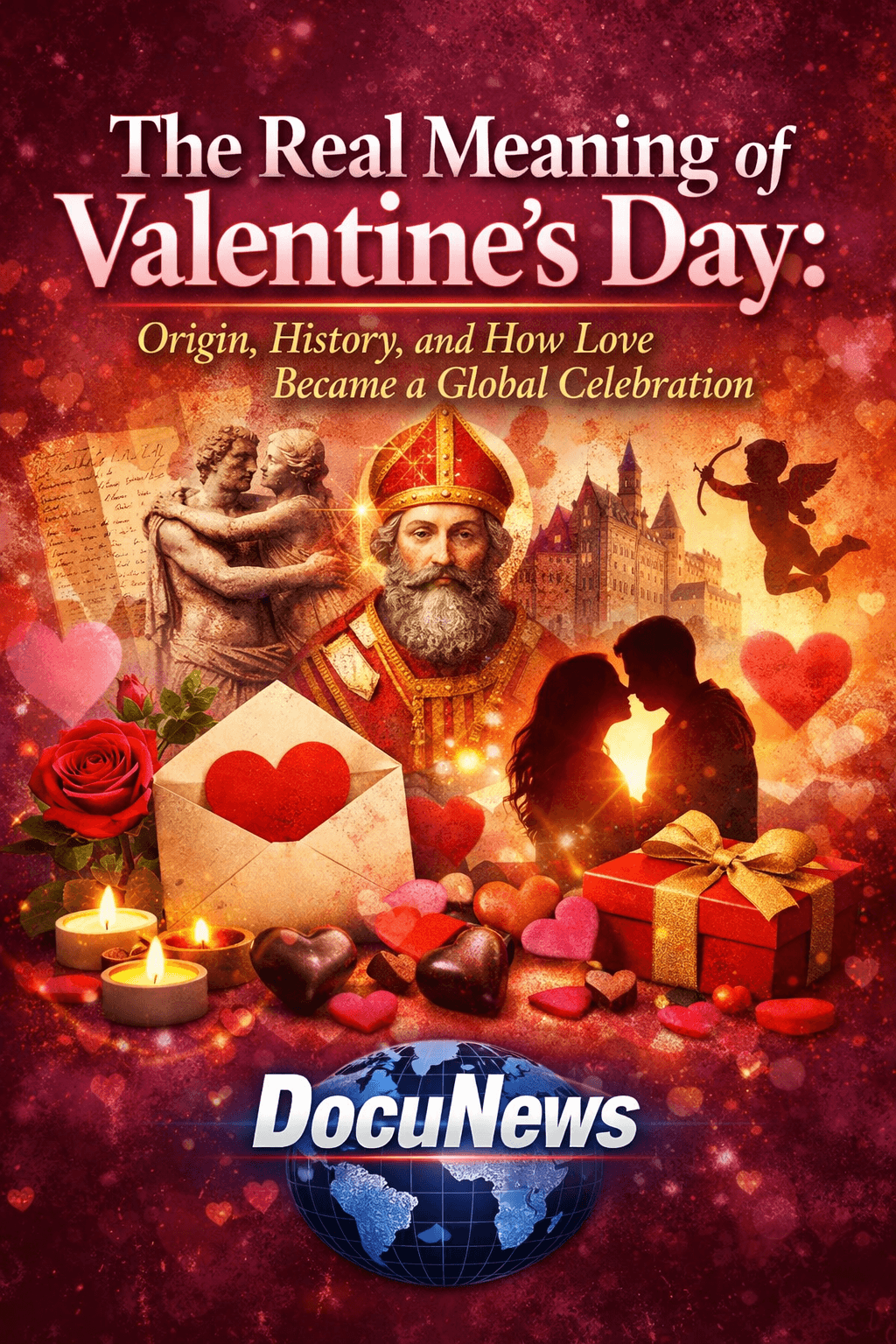
The Real Meaning of Valentine’s Day: Origin, History, and How Love Became a Global Celebration goes far beyond roses, chocolates, candlelit dinners, and greeting cards. Every year on February 14, millions of people across the world pause to recognize love in its many forms. Yet beneath the surface of this modern romantic holiday lies a deeply layered story shaped by ancient rituals, religious sacrifice, medieval poetry, and centuries of cultural evolution. Understanding Valentine’s Day means tracing its journey from pagan ceremonies to Christian martyrdom and finally into the globally recognized celebration of affection we know today.
Observed annually on February 14, Valentine’s Day traces its earliest roots to ancient Rome and medieval Europe. What began as a localized religious observance slowly crossed borders and oceans, eventually becoming a worldwide cultural event. From Rome to London, Paris to New York, and even parts of Africa and Asia, Valentine’s Day has continued to evolve as societies adapt its message of love, connection, and emotional expression to match changing traditions and values.
Today, Valentine’s Day stands as one of the most recognized romantic holidays worldwide. However, its transformation did not happen overnight. Instead, centuries of storytelling, religious influence, artistic expression, and social change gradually reshaped its purpose. To truly understand Valentine’s Day, we must return to its earliest beginnings.
For Security Updates Visit Security updates Nigeria
Ancient Beginnings: Rome’s Lupercalia Festival
Long before Valentine’s Day became associated with romance, ancient Romans celebrated a mid-February fertility festival called Lupercalia. This event focused on purification, health, and reproduction. Priests known as Luperci performed rituals meant to cleanse communities while encouraging fertility among young adults. Animal sacrifices, ceremonial feasts, and symbolic acts formed the core of this celebration, which many historians believe influenced later February observances.
During Lupercalia, young men and women sometimes participated in pairing ceremonies. Names were drawn from containers, and temporary partnerships formed. While these connections rarely lasted beyond the festival period, they created early symbolic links between February and human relationships. According to historians at History.com, although Lupercalia did not center on romance, its placement on the calendar likely shaped later Christian traditions.
As Christianity expanded across the Roman Empire, pagan rituals gradually lost influence. Church leaders replaced many traditional festivals with Christian feast days in order to help new converts transition into the faith. Over time, Lupercalia disappeared, and February 14 became associated with a Christian martyr known as Saint Valentine.
Who Was Saint Valentine?
Saint Valentine was not a single historical figure. Instead, several early Christian martyrs carried that name. The most famous Valentine lived during the reign of Emperor Claudius II in the third century. According to legend, Claudius believed unmarried men made better soldiers, so he outlawed marriages for young men. Valentine, a Christian priest, quietly defied the emperor by performing secret wedding ceremonies for couples in love.
Eventually, Roman authorities arrested Valentine. While imprisoned, another story claims he healed his jailer’s blind daughter and formed a bond with her. Before his execution around AD 270, he allegedly sent her a farewell message signed, “From your Valentine,” a phrase that survives today on millions of greeting cards.
The Catholic Church later honored Valentine by declaring February 14 his feast day. At that time, however, the observance focused on martyrdom rather than romance. Historical references on Britannica confirm that Valentine’s connection to romantic love did not emerge until centuries later.
How Poetry Turned Valentine’s Day Romantic
The romantic identity of Valentine’s Day began during the Middle Ages, largely influenced by literature. English poet Geoffrey Chaucer played a key role when he wrote “Parliament of Fowls” in the 14th century. In this poem, Chaucer described birds choosing their mates on Saint Valentine’s Day, suggesting that February 14 marked the season of love.
Readers embraced this imagery, and soon nobles across England and France began exchanging handwritten love notes and poetry on Valentine’s Day. Over time, these intimate gestures evolved into broader traditions of courtship. By the 1400s, couples exchanged small gifts, symbolic tokens, and romantic messages, laying the foundation for modern Valentine customs.
The Rise of Valentine Cards and Commercial Influence
By the 18th century, Valentine’s Day gained popularity among everyday people. Handmade cards decorated with lace, ribbons, flowers, and affectionate verses became common expressions of love. As printing technology advanced during the Industrial Revolution, Valentine cards became affordable and widely available, especially in Europe and North America.
The commercialization of Valentine’s Day soon followed. Businesses recognized the holiday’s emotional appeal and began marketing chocolates, jewelry, flowers, and romantic experiences. Today, Valentine’s Day generates billions in global spending, yet many individuals still prefer meaningful gestures over expensive presents.
Valentine’s Day Around the World
Although Valentine’s Day began in Europe, it now reaches nearly every region. In the United States and Canada, couples exchange cards, flowers, and chocolates. In Japan, women traditionally give chocolate to men, who later respond on White Day. In parts of Latin America, Valentine’s Day celebrates both romantic relationships and friendships.
Meanwhile, African countries increasingly embrace Valentine’s Day through concerts, restaurant specials, and community events. Despite cultural differences, one theme remains constant worldwide: people use this day to express care and emotional connection.
Valentine’s Day Beyond Romance
Modern Valentine’s Day has expanded beyond romantic relationships. Many people celebrate friendships through Galentine’s Day, while others honor family bonds. This shift reflects a broader understanding that love exists in many forms.
At DocuNews Central, cultural stories often highlight how traditions adapt over time, including holidays like Valentine’s Day. Rather than focusing only on couples, modern celebrations increasingly promote kindness, gratitude, and emotional wellness.
Love Across Cultures: How Valentine’s Day Took Different Forms Worldwide
As Valentine’s Day traveled beyond Europe, cultures reshaped it to reflect their own values and traditions. While Western countries often emphasize romantic partnerships, many societies widened the focus to include friendship, family, and community bonds. This global adaptation shows how deeply humans crave connection, regardless of geography.
In Japan, Valentine’s Day follows a unique pattern. Women traditionally give chocolates to men on February 14, distinguishing between romantic gifts and polite gestures. One month later, on March 14—known as White Day—men return the favor. South Korea expanded this idea even further by introducing Black Day for singles. Meanwhile, in Brazil, Valentine’s Day falls on June 12 and celebrates couples with music, gifts, and social gatherings.
Across Latin America, many countries observe Valentine’s Day as the “Day of Love and Friendship,” encouraging people to appreciate not only romantic partners but also close companions. In parts of Africa, restaurants host themed dinners, musicians organize love concerts, and families exchange thoughtful messages. These variations highlight how Valentine’s Day continues to evolve as a shared human experience rather than a single rigid tradition.
The Psychological Meaning of Love and Emotional Connection
Beyond history and culture, Valentine’s Day touches something deeply emotional. Psychologists explain that expressing affection strengthens relationships, improves mental well-being, and creates lasting memories. Acts of kindness—whether through words, gestures, or presence—release hormones such as oxytocin, which supports trust and bonding.
Although some people dismiss Valentine’s Day as commercial, emotional expression still matters. Many individuals struggle to communicate feelings in daily life. Therefore, having a designated day encourages vulnerability and reflection. Even small gestures, like a sincere message or shared moment, can reinforce emotional security.
According to relationship experts cited by the American Psychological Association, meaningful connections improve overall happiness and reduce stress. Valentine’s Day, at its best, provides a reminder to nurture these connections intentionally.
Modern Valentine’s Day: Between Commercialization and Genuine Expression
In today’s digital age, Valentine’s Day exists at the intersection of emotion and marketing. Retailers promote gifts weeks in advance, while social media fills timelines with romantic photos and messages. While commercialization has grown significantly, personal meaning still defines the holiday for many people.
Critics often argue that Valentine’s Day pressures couples into spending money. However, thoughtful celebrations do not require expensive purchases. Many individuals now prefer experiences over material items, such as cooking together, taking walks, or writing handwritten notes. These simple acts often carry deeper emotional value.
Meanwhile, technology has expanded how love is expressed. Digital cards, video calls, emojis, and voice notes allow people separated by distance to stay emotionally connected. In this way, Valentine’s Day adapts to modern lifestyles while preserving its original purpose.
Valentine’s Day for Singles and Self-Love
Another important shift involves how single people approach Valentine’s Day. Instead of viewing it as exclusionary, many now embrace it as a day of self-care and reflection. Social trends such as solo dates, personal gifting, and wellness activities have gained popularity.
Self-love plays a crucial role in emotional health. Recognizing personal worth strengthens future relationships and builds confidence. Valentine’s Day increasingly serves as an opportunity to celebrate individuality, growth, and inner peace.
Friendship-focused gatherings, often called Galentine’s celebrations, also provide alternatives to romantic expectations. These changes show that Valentine’s Day no longer belongs solely to couples—it belongs to everyone.
The Enduring Message Behind Valentine’s Day
Despite centuries of transformation, one truth remains: Valentine’s Day exists because humans desire connection. From Roman festivals to medieval poetry and modern digital greetings, each generation reshaped the holiday while preserving its emotional core.
Love itself continues to evolve. Relationships now emphasize mutual respect, communication, and emotional understanding. Valentine’s Day reflects these values by encouraging people to pause, express appreciation, and strengthen bonds.
Platforms like DocuNews Central regularly explore how cultural traditions influence modern society, including how celebrations such as Valentine’s Day mirror changing human priorities.
Why Valentine’s Day Still Matters in Today’s World
In a fast-paced world filled with distractions, Valentine’s Day offers a moment to slow down. It reminds people to reconnect, whether through romance, friendship, or family ties. Although opinions differ about its relevance, the holiday continues to spark meaningful conversations about love and emotional responsibility.
Furthermore, Valentine’s Day promotes empathy. Acts of kindness often extend beyond personal relationships into communities through charity events, volunteer work, and outreach programs. This broader interpretation reinforces love as a collective human value rather than a private emotion.
While traditions may change, the underlying message remains powerful: expressing love strengthens society.
Conclusion: The Real Meaning of Valentine’s Day
The real meaning of Valentine’s Day lies not in store displays or social media trends, but in centuries of human storytelling and emotional expression. From ancient Roman rituals to Saint Valentine’s sacrifice, from medieval poetry to global celebration, February 14 reflects humanity’s enduring need for connection.
Valentine’s Day reminds us that love is not limited to romance. It includes friendship, family, compassion, and self-respect. Whether celebrated quietly or publicly, its purpose remains the same—to encourage appreciation, deepen relationships, and honor emotional bonds.
As cultures continue to evolve, Valentine’s Day will adapt alongside them. Yet its heart will always remain rooted in the simple act of caring for one another.
Read more here Entertainment
Additional References:
- History.com – History of Valentine’s Day
- Britannica – Valentine’s Day Overview
- American Psychological Association – The Science of Love
