
Photo Credit Visit Disclaimers: Use Of AI Images In Our Newsletters
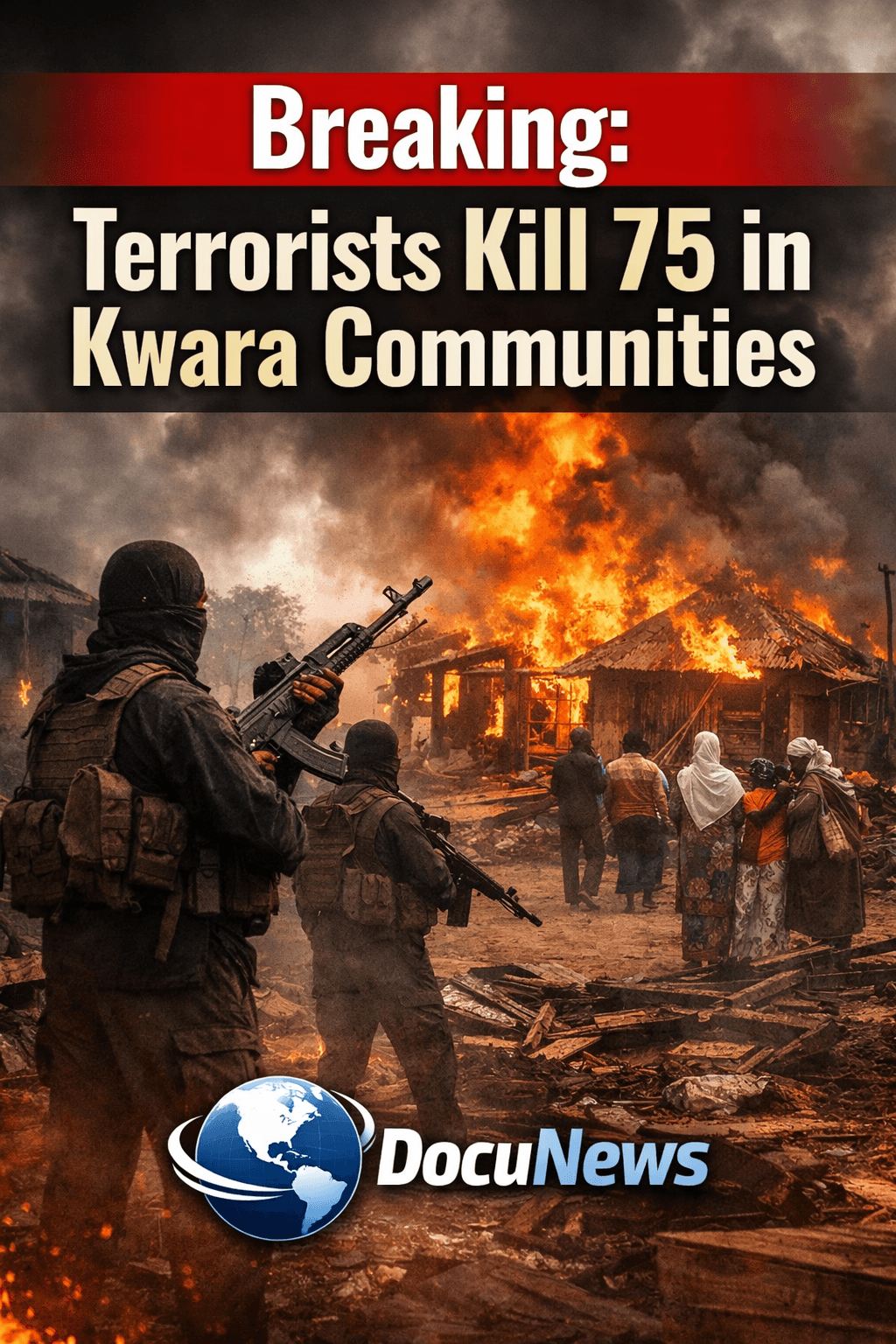
Breaking: Terrorists Kill 75 in Kwara Communities – Eyewitness Accounts and Official Response has plunged Kwara State into mourning and triggered nationwide outrage. Residents of Woro and Nuku communities are still struggling to come to terms with the brutality that unfolded in their villages. Survivors described scenes of chaos as gunmen stormed their homes and opened fire without warning. Families lost fathers, mothers, children, and breadwinners within minutes. Meanwhile, authorities scramble to contain the fallout and restore confidence in rural security.
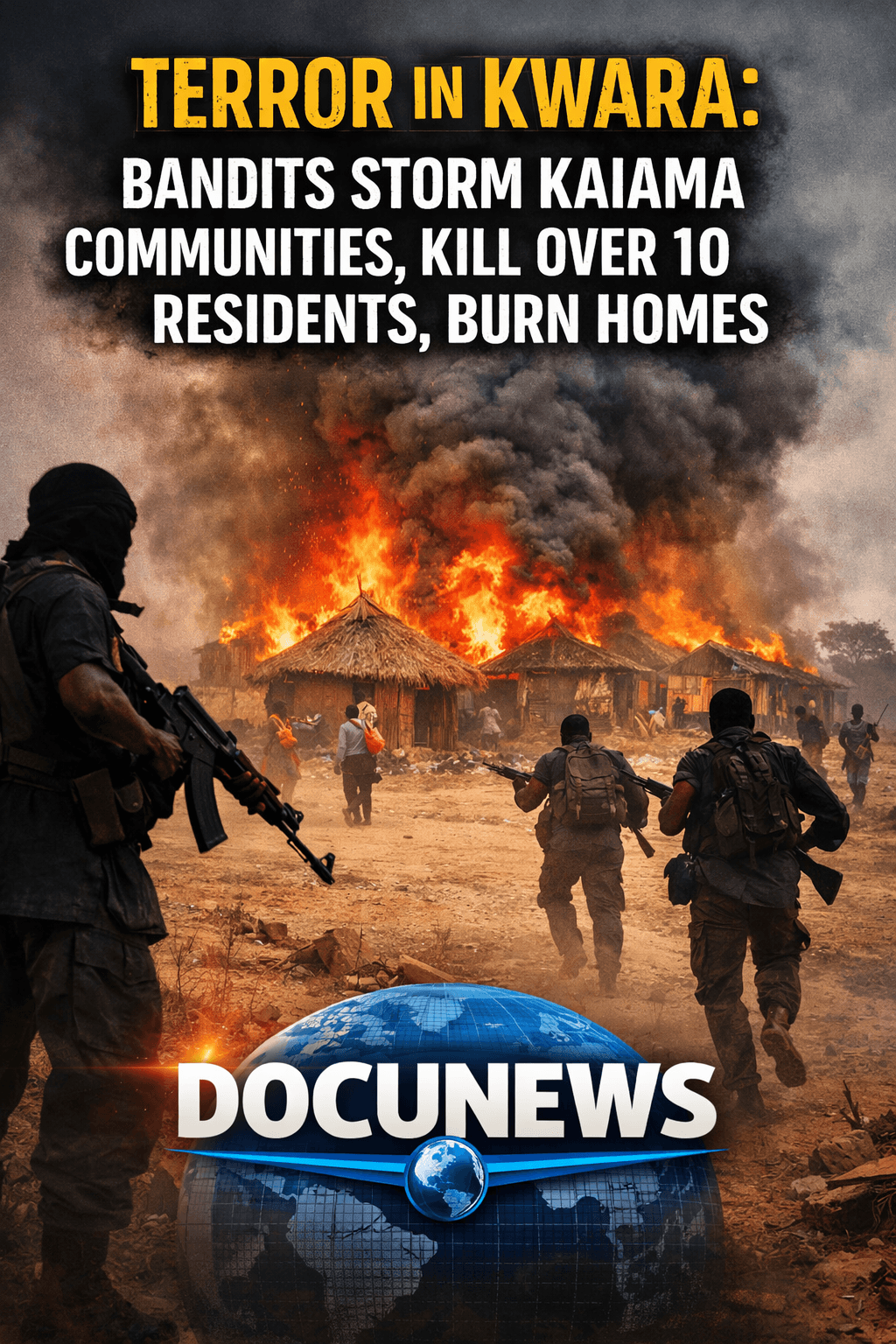
On Tuesday, February 3, 2026, terrorists attacked Woro and Nuku in Kaiama Local Government Area of Kwara State at about 5:00 p.m. Local residents said the assailants arrived on motorcycles, spreading across both settlements before launching coordinated assaults. Gunshots echoed through farmlands and residential streets as villagers ran in different directions. Government officials later confirmed that at least 75 people were killed during the raid, marking one of the deadliest attacks in North Central Nigeria in recent years.
How the Attack Unfolded
Eyewitnesses explained that the attackers first blocked exit routes before advancing deeper into the communities. Several residents attempted to flee into nearby bushes, but gunmen pursued them relentlessly. Others hid inside abandoned huts or behind trees while bullets tore through buildings. Many families became separated during the confusion, leaving parents searching desperately for missing children after the violence subsided.
According to reports by The Eagle Online, some villagers were rounded up inside the palace of the traditional ruler and executed. Witnesses also claimed that relatives of the community leader were abducted during the chaos. These details paint a grim picture of calculated violence aimed at intimidating entire populations rather than isolated targets.
Residents who survived said the gunfire lasted close to an hour. During that time, people crawled through farmlands and thick vegetation in desperate attempts to escape. Others lay flat on the ground, praying silently as footsteps passed nearby. When the attackers finally withdrew, silence returned to streets littered with bodies and shattered household items.
For Security Updates In Nigeria Visit Security updates Nigeria
Homes Burned and Livelihoods Destroyed
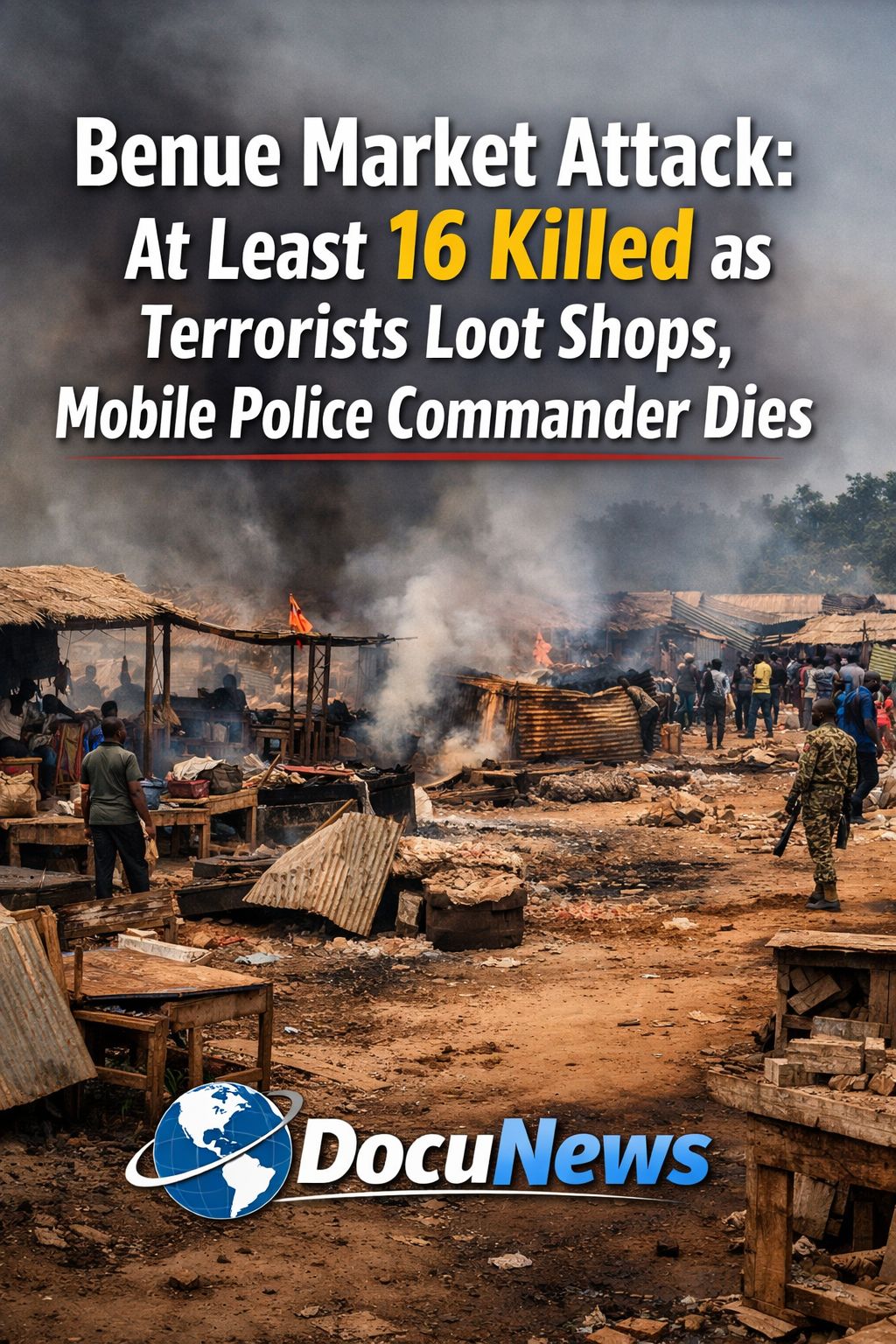
The assault did not end with gunshots. Shortly after the killings began, attackers set homes and shops ablaze, turning quiet neighborhoods into fiery ruins. Thick smoke rose above the villages, visible from distant communities. Grain stores, livestock shelters, and small trading stalls were destroyed, leaving survivors with little to rebuild their lives.
Farmers later confirmed that harvested crops and stored food supplies were lost in the inferno. For families who depended on subsistence farming, this destruction added another layer of hardship to an already unbearable tragedy. Many residents now rely on relatives and charitable groups for basic necessities.
Governor Confirms Massacre and Motive
Kwara State Governor AbdulRahman AbdulRazaq visited the affected communities and described the killings as a “pure massacre.” He explained that extremists targeted villagers for refusing to adopt radical religious ideology imposed by armed groups. His remarks, published by Naija News, highlighted the ideological dimension behind the attack.
The governor assured grieving families that security agencies would intensify operations across Kaiama and neighboring areas. He promised that perpetrators would face justice while urging residents to remain united. He also announced plans to strengthen intelligence gathering and community engagement to prevent similar incidents.
Tinubu Orders Military Deployment to Kwara
President Bola Ahmed Tinubu responded by ordering the immediate deployment of an army battalion under Operation Savannah Shield. The move followed widespread condemnation and mounting pressure on federal authorities to act decisively. According to TV360 Nigeria, the president directed security agencies to coordinate closely with state officials.
Joint patrols involving soldiers, police officers, and forest guards now operate across Kaiama Local Government Area. Security checkpoints have been established along major access routes, while aerial surveillance supports ground operations. Officials say these measures aim to deter further attacks and reassure traumatized residents.
To know more about DocuNews Central please visit ABOUT US- DOCUNEWS CENTRAL
Mass Burial Brings Communities Together in Grief
Families gathered the following day to bury 75 victims in a mass grave. Traditional leaders led prayers while mourners wept openly beside freshly dug earth. According to Vanguard, entire households attended the ceremony, many struggling to identify relatives among the deceased.
The burial marked a painful moment of collective mourning. Parents embraced surviving children tightly. Elders offered words of comfort, even as their own voices trembled. For many families, the ceremony provided the first opportunity to process loss after hours of hiding in fear.
Personal Stories from Survivors
Eyewitness accounts continue to emerge, each revealing heartbreaking details. One resident returned home after escaping into nearby bushes only to find three children lifeless on the floor. Another described lying motionless behind trees while gunmen passed within meters. Many survivors remain displaced, afraid to return to villages now associated with trauma.
Community members say they now struggle with sleepless nights and recurring flashbacks. Children cry at sudden noises. Adults replay memories of gunshots and burning homes. Local volunteers and faith groups have begun offering counseling sessions to help residents cope with psychological wounds.
Why Woro and Nuku Became Targets
Security analysts believe remote communities near forest corridors face heightened risks due to limited surveillance and slow emergency response. Extremist groups often exploit such terrain to launch surprise attacks and retreat quickly. The Council on Foreign Relations notes that militants increasingly target isolated settlements to expand territorial influence and intimidate civilians.
In Woro and Nuku, residents reportedly resisted attempts by armed groups to impose ideological control. This defiance, officials say, may have triggered retaliatory violence aimed at discouraging future resistance in surrounding areas.
National and International Reactions
Across Nigeria, political leaders have expressed outrage at the brutality. Former senator Rabiu Kwankwaso warned that terrorism is spreading to previously peaceful regions, according to Naija News. Civil rights advocates condemned the massacre, urging both state and federal governments to increase protection for rural communities and invest in early-warning systems. The African Union also released an official statement, describing the killings as a “barbaric violation of human rights” and pledged support to Nigeria in counter-terrorism measures, as reported by The Star.
International partners, including the United Nations and neighboring governments, emphasized the importance of regional cooperation to prevent such attacks. Intelligence sharing and advisory support were promised to assist Nigerian security forces in stabilizing volatile areas. According to the UN Office on Counter-Terrorism, “regional collaboration is critical in preventing the expansion of extremist networks” (UN Counter-Terrorism).
Humanitarian Assistance and Relief Efforts
Following the attack, humanitarian organizations mobilized to provide emergency assistance. Food, water, and shelter were supplied to displaced families, while mental health professionals offered trauma counseling to survivors, particularly children. The UN Refugee Agency has been coordinating relief operations in Kwara State, emphasizing the need for long-term psychosocial support in addition to immediate aid.
Local NGOs and faith-based groups have also stepped in to fill gaps in medical services, which are strained due to the high number of casualties. Clinics reported shortages of essential medicines and bandages, while staff worked around the clock to care for injured residents. Many community members volunteered to assist, distributing food and water to families who were left destitute by the attacks.
The Psychological Impact on Survivors
Trauma in the affected communities runs deep. Children who witnessed the killings display signs of severe emotional distress, including nightmares, anxiety, and withdrawal. Parents report constant fear for their safety and difficulty resuming normal daily activities. Community leaders and counselors stress the importance of early intervention to mitigate long-term psychological harm. Survivors’ stories have become central in advocacy for increased security and social support.
The attacks also disrupted local economic life. Markets that once thrived are now deserted, while farmers and traders struggle to recover losses. Livelihoods dependent on small-scale agriculture and commerce have been particularly affected, compounding the community’s vulnerability. Relief organizations are collaborating with government agencies to provide both short-term relief and plans for economic rehabilitation.
Community Initiatives for Security and Resilience
In response to the violence, local leaders have begun organizing community-based security measures. Youth associations are assisting patrol units, while elders coordinate communication between villagers and military personnel. There is a strong push to implement early-warning systems to detect potential threats. By combining traditional leadership structures with formal security forces, communities aim to enhance their resilience against future attacks.
Workshops and meetings are also being held to educate residents about emergency protocols and safety procedures. These initiatives are designed to empower communities and ensure that civilians are better prepared if militants attempt to strike again. Experts believe that sustained engagement between residents and authorities is critical to preventing repeat tragedies.
Government and Military Measures
The federal and state governments have vowed to ensure justice and prevent further attacks. Increased patrols, intelligence-led operations, and joint military exercises are now ongoing in the affected regions. Operation Savannah Shield continues to deploy troops strategically across vulnerable corridors. Military spokespeople have stated that the objective is to disrupt extremist activities, dismantle militant hideouts, and secure communities like Woro and Nuku.
Additionally, local security forces are collaborating with neighboring states to monitor movement along forested areas, which are frequently used as hideouts by militants. Analysts note that multi-layered security approaches, combining ground operations with aerial surveillance and community engagement, are most effective in reducing threats in remote rural settlements.
Rebuilding Lives and Restoring Normalcy
Efforts to restore normalcy in Woro and Nuku are underway, though challenges remain immense. Families are returning to partially rebuilt homes, while schools and clinics gradually resume operations. Relief agencies provide basic necessities, including food, water, clothing, and school supplies, to support the recovery process. Community leaders emphasize unity and collective resilience as essential components of rebuilding after such trauma.
Economic support programs are being introduced to help residents recover from the financial devastation caused by the attack. Small grants, agricultural assistance, and vocational training are planned to help families regain self-sufficiency. Experts say these measures are critical for reducing vulnerability to future attacks and preventing the recruitment of desperate individuals by extremist groups.
The Importance of Vigilance and Preparedness
Security analysts argue that ongoing vigilance and preparedness are key to safeguarding rural communities. Establishing early-warning systems, strengthening local defense networks, and fostering trust between civilians and security forces are essential strategies. Traditional leaders, youth groups, and women’s associations are now actively involved in discussions with authorities to ensure that communities are better protected.
Local residents are encouraged to report suspicious activity promptly and to participate in community safety initiatives. Experts note that empowering civilians to act as part of an integrated security network helps reduce the likelihood of future attacks and improves overall confidence in local governance structures.
Final Reflections on the Tragedy
The attack that killed 75 people in Kwara communities has left a lasting mark on the region’s social and psychological landscape. Beyond the immediate loss of life, it underscores the vulnerabilities faced by rural populations in areas prone to extremist violence. The massacre has galvanized efforts at both community and governmental levels to improve security, provide relief, and foster resilience among survivors.
Despite the grief, there is a collective determination to recover and rebuild. Residents, authorities, and humanitarian organizations are working together to restore safety, revive economic activity, and provide counseling for those affected. Lessons learned from this tragedy are shaping new strategies for community protection and rapid response to threats.
Stay Updated with DocuNews Central
For ongoing coverage, survivor accounts, verified reports, and expert analysis on the Kwara communities attack and other national events, visit DocuNews Central. Following reliable sources ensures that citizens, policymakers, and stakeholders remain informed and engaged in the reconstruction and security efforts.
The killing of 75 residents in Woro and Nuku communities serves as a powerful reminder of the importance of security, preparedness, and solidarity. While the events were devastating, the response of the community and the government illustrates a commitment to resilience and justice. By working together, the people of Kwara State can overcome the trauma and rebuild their lives while preventing similar tragedies in the future.