




Nigeria’s security challenges once again moved to the center of public debate after a new report revealed the identities of several Nigerians killed in religious and terror-related attacks between November and December 2024. Although incidents of violence are often reported in numbers, this report goes further. It names victims, outlines circumstances, and places human faces behind grim statistics.
More importantly, the report arrives at a time when many Nigerians feel overwhelmed by recurring insecurity. Consequently, its findings have reignited national conversations about accountability, protection of civilians, and the urgent need for reforms across the security sector.
According to analysts, the document represents one of the most detailed compilations of civilian casualties linked to religious extremism and terrorism in recent months. As a result, families who previously felt invisible now feel partially acknowledged, even as justice remains elusive.
A Two-Month Period Marked by Bloodshed
Between November and December 2024, multiple attacks occurred across different regions of Nigeria. In particular, parts of the North-Central, North-East, and North-West recorded deadly incidents. Although the motives varied, investigators observed common patterns.
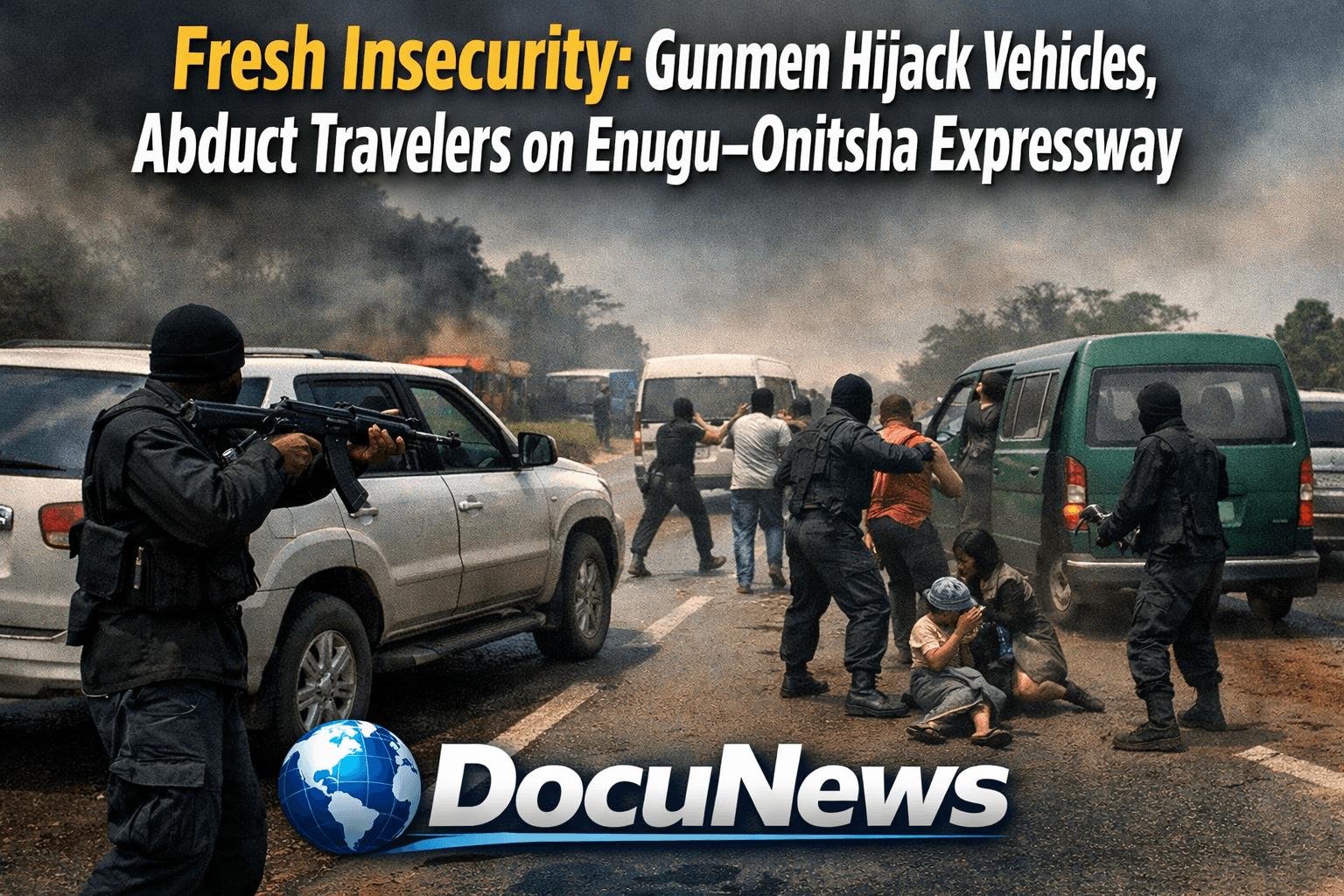
In many cases, attackers targeted civilians during routine activities. For instance, some victims were killed while attending religious services. Others lost their lives while farming, trading, or traveling along rural roads.
Furthermore, the report highlights that most attacks happened in communities with limited security presence. As a result, response times were often slow, while survivors had little immediate support.
Why This Report Matters
Unlike previous summaries, this report focuses on identity. Instead of reducing casualties to figures, it lists names, ages, occupations, and locations. Therefore, it challenges the normalization of violence that has crept into public discourse.
Additionally, the report serves another purpose. It preserves records. Over time, many incidents fade from headlines. However, documented identities ensure that victims are not erased from national memory.
According to a contributing researcher, “When names disappear, accountability disappears with them.” Consequently, civil society groups have welcomed the publication.
Religious Attacks That Shook Communities
Several of the killings occurred during religious activities. In Plateau State, attackers reportedly stormed a community during early morning prayers. Although security forces later arrived, the damage had already been done.
Eyewitnesses described confusion and fear. Meanwhile, survivors spoke of gunmen arriving suddenly and firing indiscriminately. As a result, worshippers scattered, while some were unable to escape.
A local religious leader interviewed for the report explained that fear has since reshaped worship patterns. “People now pray with one eye open,” he said. Consequently, attendance at gatherings has dropped.
Terror-Linked Violence in the North-East
In the North-East, terror-related attacks continued despite ongoing military operations. Although authorities have weakened major insurgent groups, splinter factions remain active.
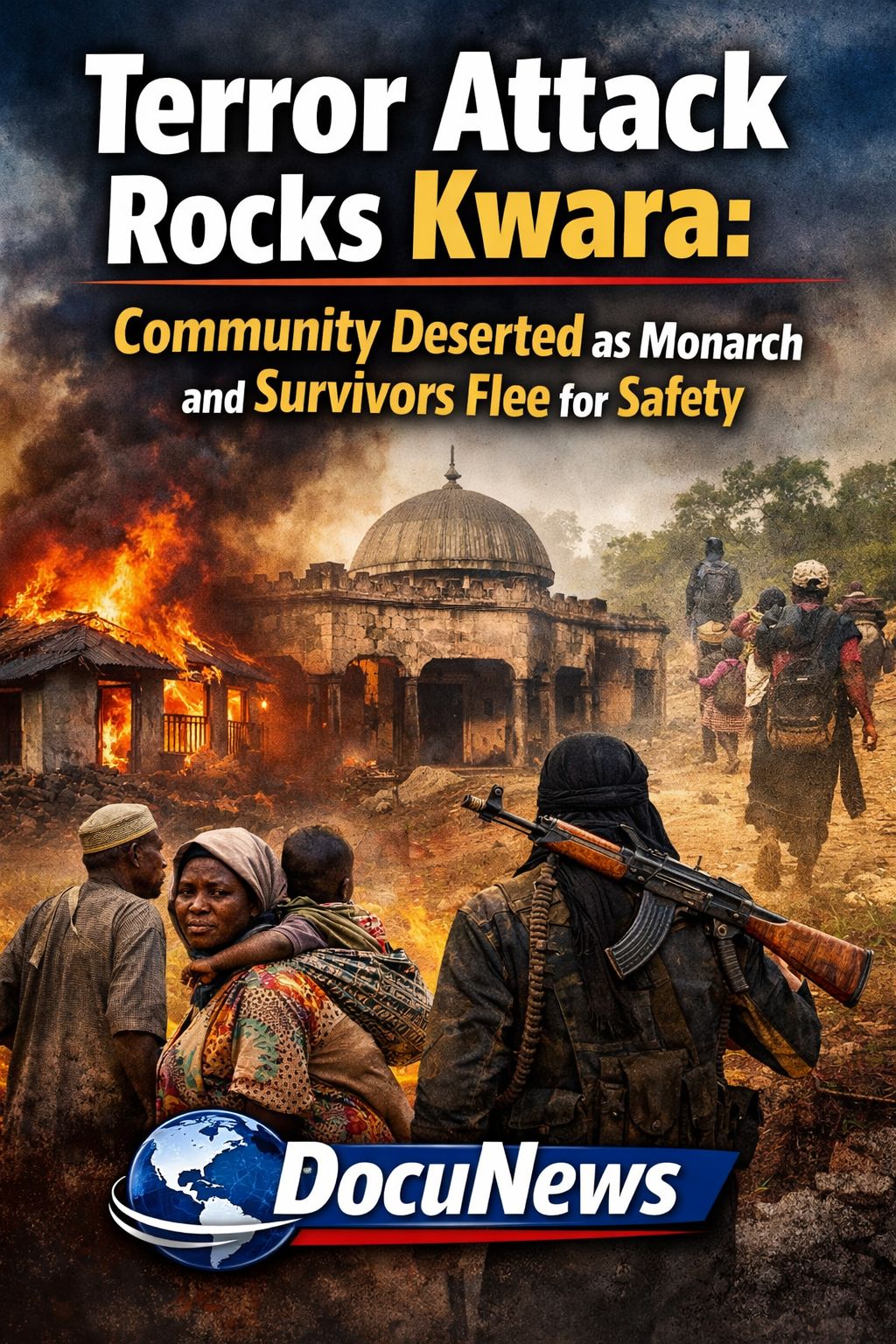
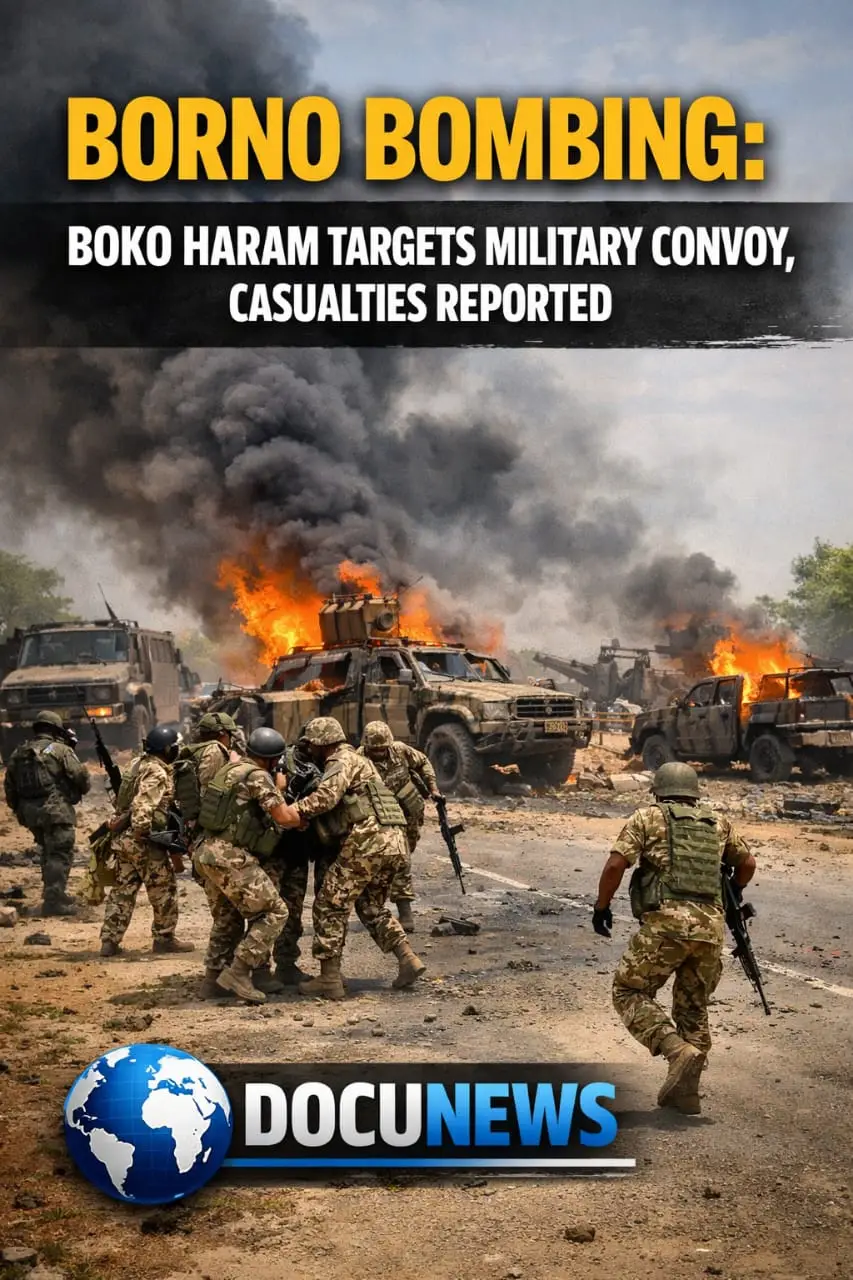
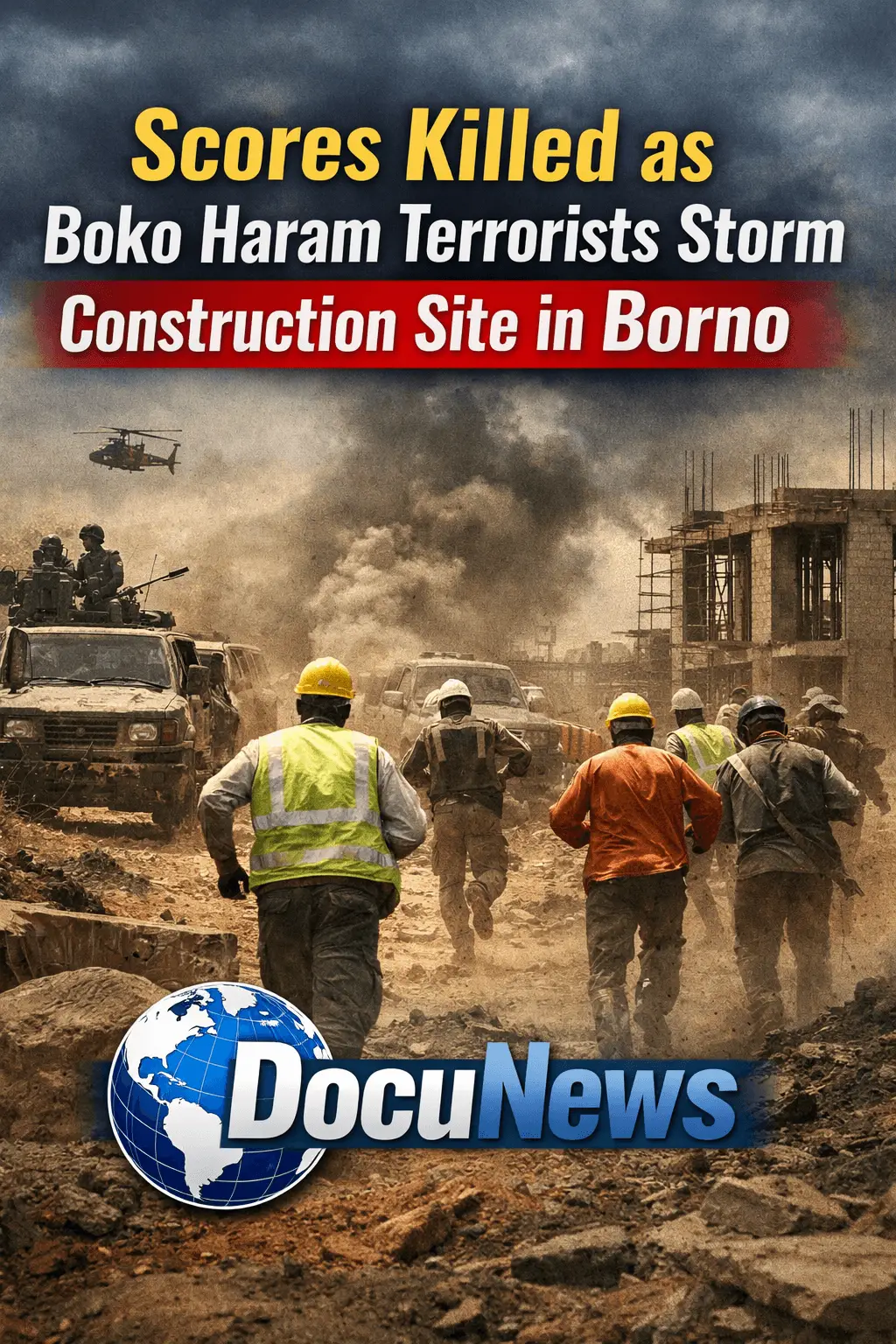
During the period under review, several villages in Borno State suffered surprise raids. According to the report, victims included women, elderly residents, and young adults attempting to flee.
Moreover, investigators noted that attackers often targeted communities accused of cooperating with security forces. As a result, civilians found themselves trapped between armed groups and the military.
Related analysis can be found here: DocuNews Central Special Report.
Victims Identified: Stories Behind the Names
The report identifies farmers, traders, students, and community leaders among the victims. Although their backgrounds differed, their stories shared common themes of vulnerability and neglect.
For example, a farmer in Benue State was reportedly killed while returning from his field. Similarly, a roadside trader in Kaduna lost his life during an ambush on a rural highway.
Additionally, community leaders who refused to cooperate with armed groups became targets. Consequently, some communities lost voices that once advocated for peace.
Families Speak Out
Families interviewed expressed pain and frustration. Many said they received no official communication from authorities. Instead, they learned about the deaths through neighbors or social media.
A grieving father from Niger State said, “We buried our daughter without answers.” Meanwhile, another relative described repeated visits to police stations without updates.
As a result, families feel abandoned. Although condolences occasionally come from officials, practical support remains limited.
Public Reaction and Growing Anxiety
Following the report’s release, public reactions intensified. On social media, Nigerians shared names from the list while demanding justice.
Furthermore, civil society organizations organized small vigils in affected areas. Although turnout varied, the message remained consistent: silence is no longer acceptable.
According to Vanguard, repeated attacks have significantly reduced public confidence in security institutions.
Government Response Under the Spotlight
Government officials continue to assure citizens that efforts are ongoing. They cite increased patrols, intelligence sharing, and community engagement.
However, critics argue that these measures remain reactive. Although arrests occasionally occur, prosecutions rarely follow.
A security analyst interviewed explained that without consequences, attackers feel emboldened. Therefore, identification must lead to investigation.
Experts Recommend a Shift in Strategy
Experts contributing to the report emphasized prevention over reaction. They recommended stronger intelligence networks, faster response units, and better protection for vulnerable communities.
Additionally, they called for improved support systems for victims’ families. According to them, healing requires acknowledgment and assistance.
As Legit.ng has previously reported, unresolved grievances often fuel further violence.
The Media’s Responsibility
The report also challenges the media. Instead of focusing solely on casualty figures, journalists are urged to tell human-centered stories.
By naming victims, the media can sustain public attention. Consequently, pressure on authorities increases.
Furthermore, responsible reporting discourages misinformation. Therefore, accuracy remains critical.
Fear, Displacement, and Long-Term Impact
Beyond deaths, the report documents displacement. Many survivors have fled their communities.
As a result, schools have closed, farms lie abandoned, and local economies suffer. Over time, these disruptions deepen poverty.
Moreover, prolonged fear alters social behavior. Communities become suspicious, while trust erodes.
Calls for Accountability Grow Louder
Human rights groups have called for independent investigations. They argue that transparency remains essential.
Additionally, they want the government to publish regular updates. Without information, rumors flourish.
Therefore, accountability remains central to restoring confidence.
Conclusion: Names That Demand Action
The release of this report marks an important moment. It restores names to victims who risked becoming forgotten.
However, identification alone does not equal justice. Until investigations lead to accountability, lists will continue to grow.
As Nigerians reflect on these names, one question remains unavoidable: when will remembrance turn into meaningful action?