






Gunmen killed one person and abducted an Islamic cleric along with seven others in a violent attack on a Plateau community, a shocking incident that has left residents in fear and mourning.
The attack occurred late Saturday in Plateau State, Nigeria. Local authorities confirmed that one person died from gunshot wounds, while eight others, including the cleric, were taken by the assailants. This happened in a rural settlement within the Qua’an‑Pan Local Government Area, highlighting the growing insecurity in the region. Read more
Residents described the attack as sudden and ruthless. Witnesses said the gunmen arrived on motorcycles, outnumbered local defenders, and fired indiscriminately. One man, a farmer, was killed while fleeing. The victims were then forced into nearby forests, making any immediate rescue difficult. Source
For Security Updates In Nigeria Visit Security updates Nigeria
Details of the Assault
The attackers reportedly operated in coordinated groups, entering homes and shooting without warning. Panic spread through the village as families attempted to escape. Many villagers fled into the bush to avoid being caught. By the time authorities were notified, the gunmen had already disappeared with their captives.
The abducted cleric is known in the community for his humanitarian efforts, which makes his capture particularly distressing. The other seven victims include both men and women, all of whom were involved in local farming or community work. Families have expressed fear that they may not survive captivity. Source
Community Reaction
Following the attack, villagers gathered to account for the missing. Many were distraught, worried about the fate of loved ones. Several community leaders called on the government to respond quickly, citing the urgency of locating the abducted cleric and the others.
Local authorities confirmed they had dispatched security operatives to the area. However, residents expressed skepticism about the response, given previous delays in rescue operations in similar attacks. The recurring nature of such incidents has made villagers cautious about trusting official protection. Source
Historical Context of Violence in Plateau
Plateau State has a long history of communal violence and armed attacks. Over the past decade, rural communities have faced repeated assaults from organized bandits and armed groups. Incidents often involve kidnappings, targeted killings, and destruction of property. These attacks are not isolated; they form a pattern that underscores systemic security gaps. Source
Earlier in 2025, gunmen kidnapped more than 28 travelers in Wase, another LGA in Plateau. The incident caused panic along rural roads and highlighted the vulnerability of communities far from urban centers. Similarly, in Bong village, seven residents were killed in an overnight raid in January 2026, showing the persistence of violent trends. Source
Psychological Impact on Residents
The trauma caused by these attacks cannot be overstated. Many residents reported sleepless nights, anxiety, and fear for their families. Parents are hesitant to send children to school, while farmers hesitate to leave their homes to tend to crops. The resulting economic disruption affects the community’s ability to recover and thrive. Source
Internal displacement has become common, as families move to safer areas within the state. Some villagers have sought refuge in neighboring towns, while others remain hidden in forests for extended periods. The psychological and economic toll is immense, leaving communities vulnerable to further attacks. Source
Read Also Benue Church: Bandits Abduct Nine Worshipers During Night Vigil
Authorities’ Response
State officials have condemned the attack and pledged to pursue the gunmen. Security agencies have increased patrols in vulnerable areas, but their reach is limited. Many residents feel the response is reactive rather than proactive, leaving villages exposed.
Experts suggest closer collaboration between local vigilantes and security forces. Community members possess knowledge of terrain and attackers’ patterns, which could improve rescue efforts. However, without adequate coordination and resources, operations often fail to achieve desired results. Source
You may have missed this Most Dangerous Terrorist Group in Nigeria and Their Leaders
Regional Security Concerns
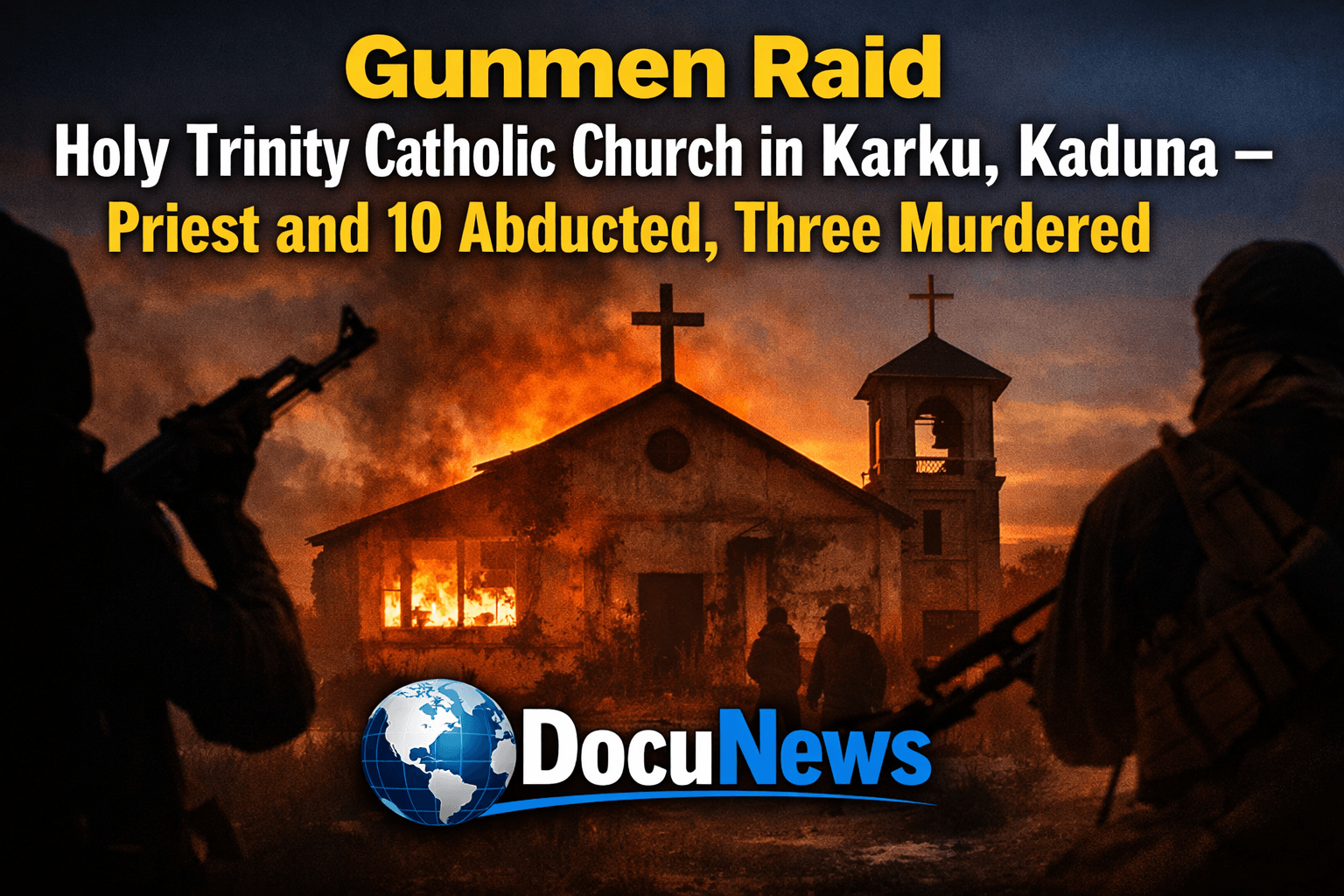
The Plateau attack is part of a broader national trend of insecurity. In Kaduna State, gunmen recently killed three people and abducted a Catholic priest along with others. Similar patterns are evident across northern Nigeria, highlighting the challenges facing law enforcement agencies. Source
Other Northern states have reported repeated attacks on villages, targeting religious leaders and local officials. The 2026 Kauru village attack in Kaduna, for example, resulted in multiple deaths and kidnappings, illustrating the persistent and widespread nature of such violence. Source
International observers have raised concerns about the ability of Nigerian authorities to protect rural populations. The lack of preventive measures has allowed armed groups to operate with impunity, posing ongoing risks to civilians. Source
The Political Context of Violence in Plateau
Plateau’s security challenges are not only a result of armed groups but also of deep-rooted political and social issues. Land disputes, ethnic tensions, and competition over resources often exacerbate conflicts, making rural areas more vulnerable. While the federal government has occasionally launched special operations to curb banditry, these responses are often reactive and fail to address underlying causes.
Local leaders argue that without consistent preventive strategies, attacks like the one that claimed a life and saw an Islamic cleric abducted will continue. Communities demand transparency in security budgeting, proper allocation of resources, and the use of modern surveillance tools to strengthen law enforcement presence. Source
Lessons and Recommendations
Experts believe that tackling insecurity in Plateau requires a combination of tactical and strategic measures. Short-term actions, like increasing patrols and collaborating with local vigilantes, must complement long-term initiatives such as community dialogue, intelligence sharing, and development projects that reduce poverty. Strengthening community trust in security agencies is critical for sustainable peace.
Humanitarian organizations stress the importance of providing psychological support to victims and families. Trauma counseling, community awareness programs, and economic assistance can help stabilize affected populations. Without addressing the human cost of these attacks, the cycle of fear and displacement is likely to continue. Source
Impact on Education and Local Economy
The recurring attacks in Plateau have severely affected education. Parents fear sending children to schools, especially in remote villages. Some schools have temporarily closed, while teachers face threats traveling to their workplaces. This disruption limits educational opportunities and threatens the long-term development of the region.
Economic activity, particularly farming, has also suffered. Many villagers are hesitant to leave their homes to work on farms or transport goods to markets. As a result, food production decreases, local commerce slows, and families struggle to sustain themselves. The impact on livelihoods deepens the humanitarian crisis caused by insecurity. Source
Humanitarian Response
Local and international humanitarian organizations have started mobilizing support for affected communities. They are providing temporary shelters, food supplies, and medical care for those traumatized by violence. Psychosocial support programs are also being implemented to help families cope with the abductions and killings. These efforts, while essential, require sustained funding and coordination to make a meaningful difference. Source
Community members themselves are taking steps to protect one another. Village security groups and volunteer patrols have emerged to monitor suspicious activity. While not a replacement for professional law enforcement, these initiatives demonstrate resilience and solidarity in the face of danger. Source
Staying Informed and Raising Awareness
To ensure timely action and awareness, it is important for residents and observers to stay informed. Trusted sources for updates on Nigeria’s security situation include:
- Premium Times — verified updates on attacks and security developments.
- Channels Television — comprehensive coverage on local events.
- Reuters Africa — global perspective on regional conflicts.
- DocuNews Central — in-depth analysis of regional security and community perspectives.
Sharing credible information and reporting suspicious activity can help prevent further attacks. Communities are encouraged to maintain communication with authorities while also documenting incidents to improve accountability. Source
Community Resilience and Hope
Despite the violence, communities in Plateau continue to demonstrate resilience. Neighbors support each other, helping rebuild homes, assisting families of the abducted, and organizing security initiatives. Local leaders have emphasized the importance of dialogue and cooperation to restore peace. The abduction of an Islamic cleric, while tragic, has galvanized efforts to unite villages against armed groups. Source
Families affected by the attack remain hopeful. Religious organizations, NGOs, and local volunteers work tirelessly to negotiate safe returns and provide humanitarian assistance. Community-based solutions, alongside government intervention, remain the most effective path forward to ensuring safety and stability. Source
Lessons for National Security
The Plateau incident highlights broader lessons for Nigeria’s national security. Reactive measures alone are insufficient. Policymakers must invest in long-term strategies, such as improving rural policing, enhancing intelligence capabilities, and fostering community trust. Equally important is addressing the root causes of conflict, including poverty, inequality, and resource disputes. Source
Cooperation between federal authorities, state governments, and local communities is vital. Without coordination, even well-resourced interventions may fail. Security agencies should engage local leaders to develop context-specific solutions, tailored to the unique risks of each village and district.
International Attention and Aid
International organizations and human rights groups continue to monitor Nigeria’s security situation. Their involvement, whether through funding, advocacy, or technical assistance, has been crucial in supporting local efforts. Global awareness can pressure authorities to act swiftly and provide resources to communities facing ongoing threats. Source
Highlighting these attacks in international media also raises awareness about the challenges faced by civilians in Plateau and similar regions. Increased attention can lead to stronger diplomatic engagement and targeted support for affected populations.
Conclusion: Moving Forward Amid Challenges
The killing of one person and the abduction of an Islamic cleric along with seven others in Plateau is a tragic reminder of the insecurity facing rural communities. Yet, it also shows the resilience and determination of those affected. Community solidarity, proactive security measures, and humanitarian assistance are essential to help residents recover and thrive.
Authorities, civil society organizations, and international partners must work together to address immediate threats while also implementing long-term solutions to prevent further violence. With coordinated action, the cycle of fear and disruption can be reduced, paving the way for peace and stability. Source
Residents, journalists, and observers are encouraged to remain vigilant, share credible information, and support community-driven initiatives. The return of abducted individuals, including the cleric, and the prevention of future attacks depend on continued engagement and concerted effort from all stakeholders.
Ultimately, the people of Plateau demonstrate that even in the face of adversity, hope, resilience, and collective action remain powerful tools against insecurity. Their experiences should guide policy, inform humanitarian responses, and inspire communities across Nigeria and beyond. Source