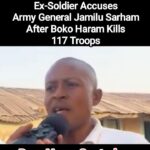
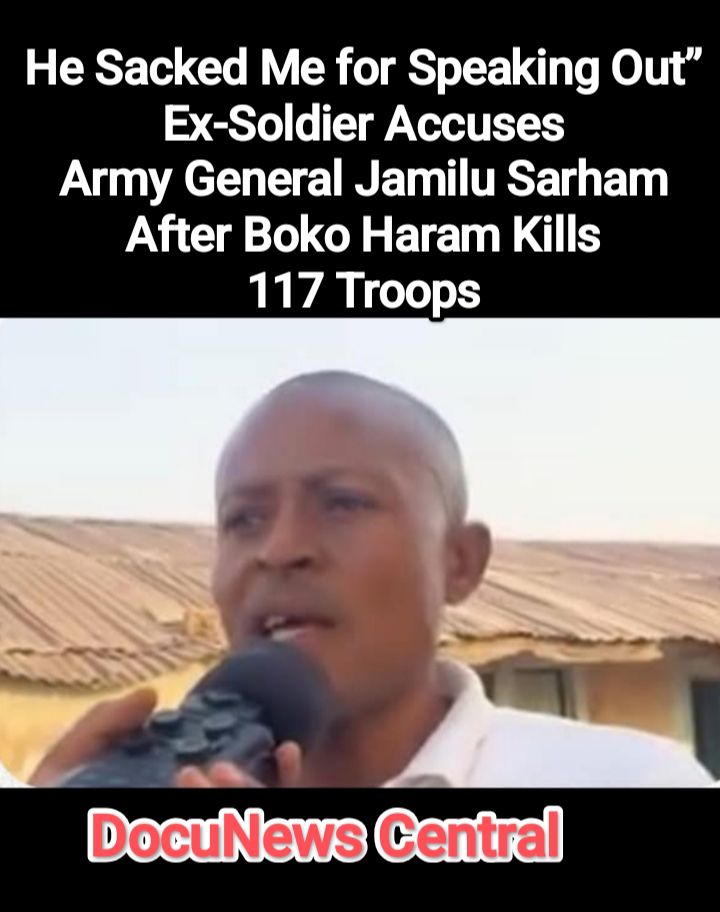
“He Sacked Me for Speaking Out” — Ex-Soldier Accuses Army General Jamilu Sarham After Boko Haram Kills 117 Troops has sparked national attention as a former Nigerian Army soldier publicly alleges he was dismissed for asking questions about a deadly Boko Haram ambush. His testimony has reignited discussions on accountability, military discipline, and the treatment of soldiers in active combat zones.
February 7, 2026 — Borno State, Nigeria. The ex-serviceman shared his story during a public podcast, detailing how the incident occurred after a Boko Haram attack in Baga that reportedly killed 117 soldiers. His account offers a rare glimpse into the challenges faced by Nigerian troops on the frontlines and the complex dynamics within military command.
According to him, his removal was sudden, harsh, and directly tied to his attempts to seek clarity on battlefield decisions. The case has since become a focal point in conversations surrounding transparency and internal accountability within Nigeria’s armed forces.
The Deadly Reality of Boko Haram
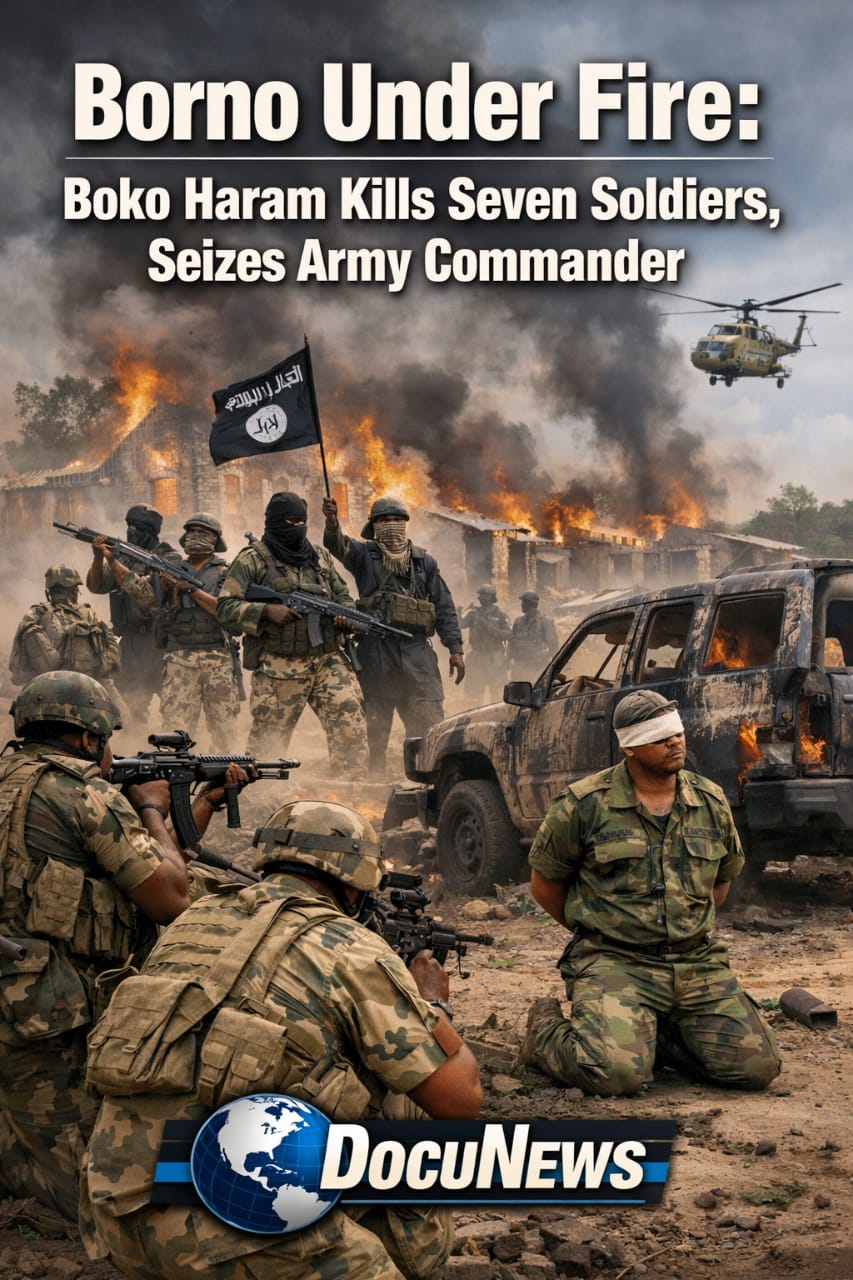
Boko Haram has operated in Nigeria’s northeast for over fifteen years, carrying out violent attacks that have claimed tens of thousands of lives and displaced millions. Despite ongoing counterterrorism operations, the group continues to demonstrate its lethal capabilities against both civilians and military personnel. Reports from the Associated Press confirm that Boko Haram maintains operational capacity in several parts of Borno, Yobe, and Adamawa states.
Military operations in recent years have targeted Boko Haram leadership, destroyed camps, and rescued hostages. However, insurgents continue to execute coordinated ambushes, exposing persistent weaknesses in intelligence, logistics, and rapid response. Such circumstances set the stage for the incident in Baga that ultimately led to the ex-soldier’s dismissal.
The ongoing insurgency highlights the physical and emotional strain faced by troops, especially those stationed in remote or high-risk regions. Frontline soldiers often navigate complex terrains, unpredictable attacks, and limited support while remaining under strict hierarchical command.
For all Security Updates In Nigeria Visit Security updates Nigeria
“I Was Punished for Asking Questions”
The ex-soldier revealed that he was stationed with the 118 Task Force Battalion during the Boko Haram ambush in Baga. After the attack, survivors were assembled for a briefing at Maimalari Cantonment. Commanders reportedly encouraged questions. When he raised concerns about tactical decisions and troop losses, he alleges that he was immediately detained, disarmed, and placed under custody for ten days.
He claims that the formal charge against him was insubordination, but insists that he acted responsibly and did not disobey orders. Instead, he sought clarity to understand how Boko Haram successfully overpowered a heavily armed battalion. His removal, he says, demonstrates how internal questioning is discouraged within the military chain of command.
This account draws attention to a broader issue: how the Nigerian Army balances operational discipline with the need for transparency and open communication among rank-and-file soldiers. Critics argue that discouraging questions undermines trust and morale while potentially hampering operational effectiveness.
Deployment History and Service Record
The former soldier’s record includes multiple deployments, both domestically and internationally. He served in Darfur peacekeeping missions and participated in domestic campaigns such as Operation Pulo Shield. Colleagues describe him as disciplined, dedicated, and professional, which makes his sudden dismissal even more striking.
According to reports published by Sahara Reporters, similar disciplinary actions affected several other soldiers from the same battalion following the ambush. Observers suggest that this pattern points to systemic issues within military command rather than isolated cases of misconduct.
The soldier emphasizes that asking questions should not be equated with disobedience, especially when the questions concern troop safety, battlefield strategy, or operational failures. His experience underscores the tension between hierarchical obedience and the need for internal accountability.
Read also Kwara Under Attack: Defence HQ Says Terrorists Killed Residents for Rejecting Extremist Preachings
Mass Dismissals and Their Human Cost
He alleges that approximately 300 soldiers were dismissed from the 118 and 157 Task Force Battalions under directives from General Jamilu Sarham. Many of these soldiers reportedly lost pensions, benefits, and access to military healthcare. Families were left to navigate financial hardships, and some struggled to send children to school or afford basic necessities.
In his own case, his wife had to take informal work to support the family. He described the emotional toll as overwhelming, citing recurring memories of fallen colleagues, battlefield trauma, and the stress of unemployment. Despite these challenges, he pursued higher education, completing a degree in political science, and expressed continued interest in serving in security or governmental roles.
The broader implications of such mass dismissals are significant. They affect troop morale, community perception of the military, and the credibility of internal command structures. Analysts stress that ensuring fairness and transparency in disciplinary actions is critical for maintaining operational efficiency and trust within the ranks.
Military Discipline Versus Accountability
This case reflects a tension that exists in armed forces worldwide: the need to maintain discipline versus the importance of allowing soldiers to voice legitimate concerns. Supporters of strict hierarchical structures argue that questioning leadership during active conflict could disrupt cohesion and endanger missions.
However, advocates for transparency contend that frontline soldiers often witness operational gaps or lapses that leadership may overlook. Constructive feedback can prevent repeated errors, improve tactical outcomes, and increase morale. Silencing questions can therefore create vulnerabilities in both human and strategic terms.
Experts suggest that developing formal channels for reporting concerns and reviewing operational decisions could balance discipline with accountability, ensuring soldiers are neither punished for raising valid questions nor left unsupported during crises.
Security Challenges in Nigeria’s Northeast
While the ex-soldier’s account focuses on internal military dynamics, it occurs within a larger security context. Boko Haram and other insurgent groups continue to threaten civilian populations and challenge Nigeria’s military. Despite reports of operations targeting insurgent leadership, the insurgency has demonstrated resilience and adaptability.
Independent assessments emphasize that Nigeria’s counterinsurgency strategy requires a combination of intelligence improvement, community engagement, and enhanced soldier welfare. Properly equipped and supported soldiers are better positioned to execute missions effectively while minimizing casualties.
International observers continue to monitor the situation. BBC Africa reports that regional cooperation and improved military governance are key to curbing insurgency and protecting civilians in high-risk areas.
Legal and Human Rights Implications
The ex-soldier’s testimony raises important questions regarding due process and veterans’ rights. International human rights standards stress the need for fair hearings, particularly when disciplinary actions result in dismissal or loss of benefits for career soldiers. Independent reviews are recommended in cases of alleged unjust treatment.
Veteran advocacy groups argue that proper medical, psychological, and financial support is essential for those who have faced combat-related trauma. Failure to provide these services risks long-term social and psychological consequences, both for individuals and the broader military community.
Public Reaction and Calls for Reform
The story has sparked mixed reactions. Many Nigerians commend the soldier for courageously speaking out, while some caution that public criticism of military leadership may affect morale. Civil society organizations have called for investigations into the claims, advocating transparency, fairness, and protection for those who raise concerns.
Political analysts stress that improving communication channels between leadership and troops, along with enhanced welfare measures, could strengthen the Nigerian Army and reduce vulnerabilities to insurgent attacks.
Military officials have yet to provide a detailed response regarding the specific allegations against General Jamilu Sarham. However, the incident has already contributed to a broader national conversation on military governance and accountability.
The Human Cost of War
Beyond operational and strategic concerns, the story highlights the personal toll of combat. Soldiers often return home with invisible wounds that affect mental health, relationships, and quality of life. The dismissed serviceman described recurring trauma, anxiety, and emotional stress due to memories of fallen comrades.
Experts emphasize that providing adequate mental health services and reintegration programs is crucial for veteran welfare. Additionally, addressing systemic issues within military structures can prevent unnecessary psychological harm and improve overall effectiveness.
Looking Forward: Lessons and Reforms
The ex-soldier’s account underscores the need for balance between obedience and transparency in military operations. Constructive feedback mechanisms, fair disciplinary procedures, and support for personnel can foster trust, enhance morale, and reduce errors in combat.
As Nigeria continues its counterinsurgency operations, policymakers and military leaders are urged to integrate lessons from frontline experiences. Strengthening oversight, promoting transparency, and improving soldier welfare are critical to achieving lasting security in the region.
For ongoing coverage of Nigeria’s security situation and in-depth military reports, visit DocuNews Central. Additionally, reliable international perspectives can be found on BBC Africa and Reuters Africa.
You may have missed this Boko Haram Storms Borno Army Base, Several Nigerian Soldiers Feared Killed in Fresh Attack
Conclusion
The former soldier’s testimony offers a vivid look at the intersection of military discipline, personal integrity, and the high stakes of frontline combat. His dismissal raises questions about how armies balance obedience with accountability, transparency, and human welfare. While debates continue, one fact remains: the human cost of war extends beyond battlefield casualties to include those who courageously speak out for truth, fairness, and the protection of their comrades.
Ultimately, Nigeria faces a dual challenge: defeating Boko Haram and ensuring that its military structures honor both operational success and ethical leadership. Stories like this remind the nation of the importance of protecting soldiers’ rights while maintaining robust security operations.