






Fear has once again crept quietly into rural homes, farms, and market squares across parts of Sokoto State, forcing families to abandon familiar surroundings and seek safety elsewhere. This growing anxiety did not emerge suddenly but built steadily as reports of renewed threats spread through vulnerable farming communities, reviving painful memories of past attacks and displacement.
On Wednesday, January 14, 2026, at about 6:00 a.m., residents of Tidibale, a small agrarian settlement located in the eastern part of Isa Local Government Area of Sokoto State, Nigeria, began fleeing their homes in large numbers. The movement followed fresh warnings allegedly linked to notorious bandits’ kingpin Bello Turji, whose name has remained closely associated with violence and fear across the North-West region.
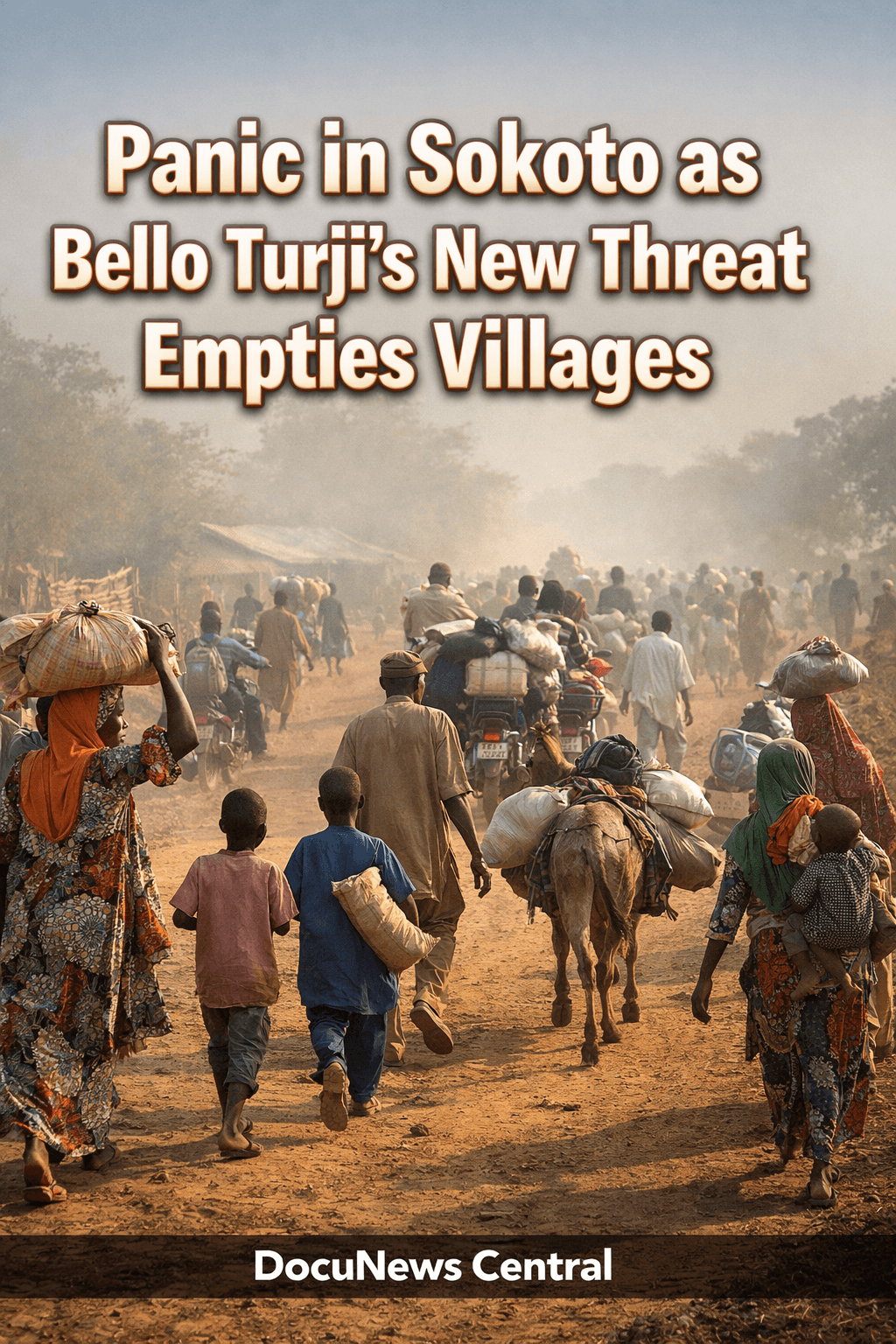
By sunrise, the usually calm village atmosphere had changed completely. Dirt paths that once led to farmlands now carried frightened families, while motorcycles, tricycles, and overloaded vehicles moved steadily toward nearby towns perceived as safer. Many residents said they could not afford to wait for confirmation, as previous experiences taught them that hesitation often came at a deadly cost.
Fear Returns to Farming Communities in Sokoto
Tidibale lies among clusters of farming settlements where agriculture forms the backbone of daily life. For decades, residents depended on millet, sorghum, beans, and groundnuts for both food and income, trading peacefully with neighboring communities. Despite recurring insecurity in the region, many families remained, hoping stability would eventually return.
However, locals explained that calm never fully settled after earlier waves of bandit activity. Although life continued outwardly, fear lingered beneath the surface. The latest warning shattered whatever fragile confidence people still held, pushing them to prioritize survival over property, harvests, and long-term plans.
Community members said information about the threat spread rapidly through phone calls, text messages, and word of mouth late on Tuesday night. By dawn, families had packed essential belongings, locked their homes, and prepared for uncertain journeys. Parents focused on protecting their children, while elderly residents relied on younger relatives for support.
How the New Threat Triggered Mass Movement
The reaction in Tidibale reflected lessons learned from the past. Residents recalled previous incidents where similar warnings preceded violent raids, kidnappings, and the destruction of homes. This shared memory shaped the swift response, as villagers chose early evacuation rather than waiting for armed men to appear.
Farmers abandoned morning routines, leaving tools and crops behind. Women gathered clothing, food items, and important documents, often packing hastily into sacks. Children followed silently, sensing the seriousness of the situation even when they did not fully understand it.
Several residents said they moved toward Isa town, Sabon Birni, and other nearby areas with stronger security presence, while others crossed into neighboring states to stay temporarily with relatives. The sudden movement disrupted normal life across multiple communities within hours.
Sokoto Communities React as Bello Turji’s Name Resurfaces
The mention of Sokoto in connection with Bello Turji immediately revived memories of earlier displacement crises that affected eastern parts of the state. Security observers noted that even without immediate attacks, the psychological impact of such threats remains powerful, especially in rural areas where response times often feel uncertain.
Markets around Tidibale recorded sharp drops in activity as traders stayed away, while transport operators noticed an unusual pattern of early-morning departures instead of routine travel. Community leaders said fear moved faster than official information, creating a vacuum filled by speculation and panic.
Analysts warn that repeated exposure to insecurity conditions residents to flee at the first sign of danger, reinforcing cycles of displacement that weaken rural economies and social structures.
Families Bear the Heaviest Burden
The mass movement from Tidibale affected more than shelter alone. Displacement interrupted education, farming schedules, and access to healthcare. Teachers in nearby towns reported that several pupils failed to appear in school as families relocated overnight, while health workers expressed concern for pregnant women and elderly residents who faced physical strain during rushed journeys.
Many families now depend entirely on relatives for accommodation, while others sleep in open spaces as they assess their options. Despite the hardship, displaced residents consistently said the decision to leave early likely saved lives, reinforcing their belief that safety must come first.
Security Silence Raises Fresh Questions
As of Wednesday afternoon, residents said they had not observed increased security deployment within Tidibale itself. Although community leaders reported the threat to local authorities and traditional rulers, villagers said reassurance without visible action did little to calm nerves.
Security experts argue that rapid response and visible patrols help prevent panic-driven displacement by restoring confidence among residents. In the absence of such measures, fear often fills the gap, encouraging people to leave before danger arrives.
Official updates from security agencies, including the Nigeria Police Force (https://www.npf.gov.ng) and the Nigerian Army (https://www.army.mil.ng), remain critical to public reassurance.
Economic Impact Spreads Beyond Tidibale
The departure of residents from Tidibale also affected surrounding communities that depend on shared markets and seasonal labor. Early signs of disruption appeared in food supply chains, as farmers could not tend to crops or transport produce. Traders warned that prolonged displacement could push food prices higher.
Livestock left behind faces risks of theft or neglect, compounding losses for families already struggling economically. Humanitarian observers note that repeated displacement undermines food security and long-term development across rural Sokoto.
Panic in Sokoto as Bello Turji’s New Threat Empties Villages Again
As evening approached on Wednesday, Tidibale stood unusually quiet. Homes remained locked, farms untouched, and paths marked only by footprints leading away from the village. Residents expressed hope of returning soon but insisted that safety assurances must come before any move back.
Many displaced families now wait anxiously for clear signals that the danger has passed. Until then, uncertainty shapes daily decisions, from where to sleep to how long they can remain away from their livelihoods.
What Comes Next for Displaced Residents?
Humanitarian observers warn that temporary displacement often becomes prolonged without decisive intervention. They recommend immediate confidence-building patrols, clear communication from authorities, and structured support for displaced families to prevent further deterioration.
International organizations, including Amnesty International (https://www.amnesty.org), continue monitoring displacement trends and security challenges across Nigeria.
For more reports on regional insecurity, read our related coverage on rural safety challenges in northern Nigeria at Security updates Nigeria
The situation in Tidibale underscores how fear alone can empty villages long before violence occurs. As families remain scattered, attention now turns to whether swift and visible action can prevent a deeper humanitarian crisis and allow residents to return home without fear.
Related News:
- Katsina Frees 70 Bandits Amid Criticism Over Killings and Rape Allegations
- Bello Turji’s Terrorists Strike Again, Over 20 Adopted in Sokoto
- Police Officer, Three Others Abducted By Bandits On Gusau–Sokoto Highway In Zamfara




One thought on “Panic in Sokoto as Bello Turji’s New Threat Empties Villages”