






Photo credit Visit Disclaimers: Use Of AI Images In Our Newsletters
Police Nab 38‑Year‑Old Man with 954 Suspected Explosives in Zamfara: A Major Security Breakthrough
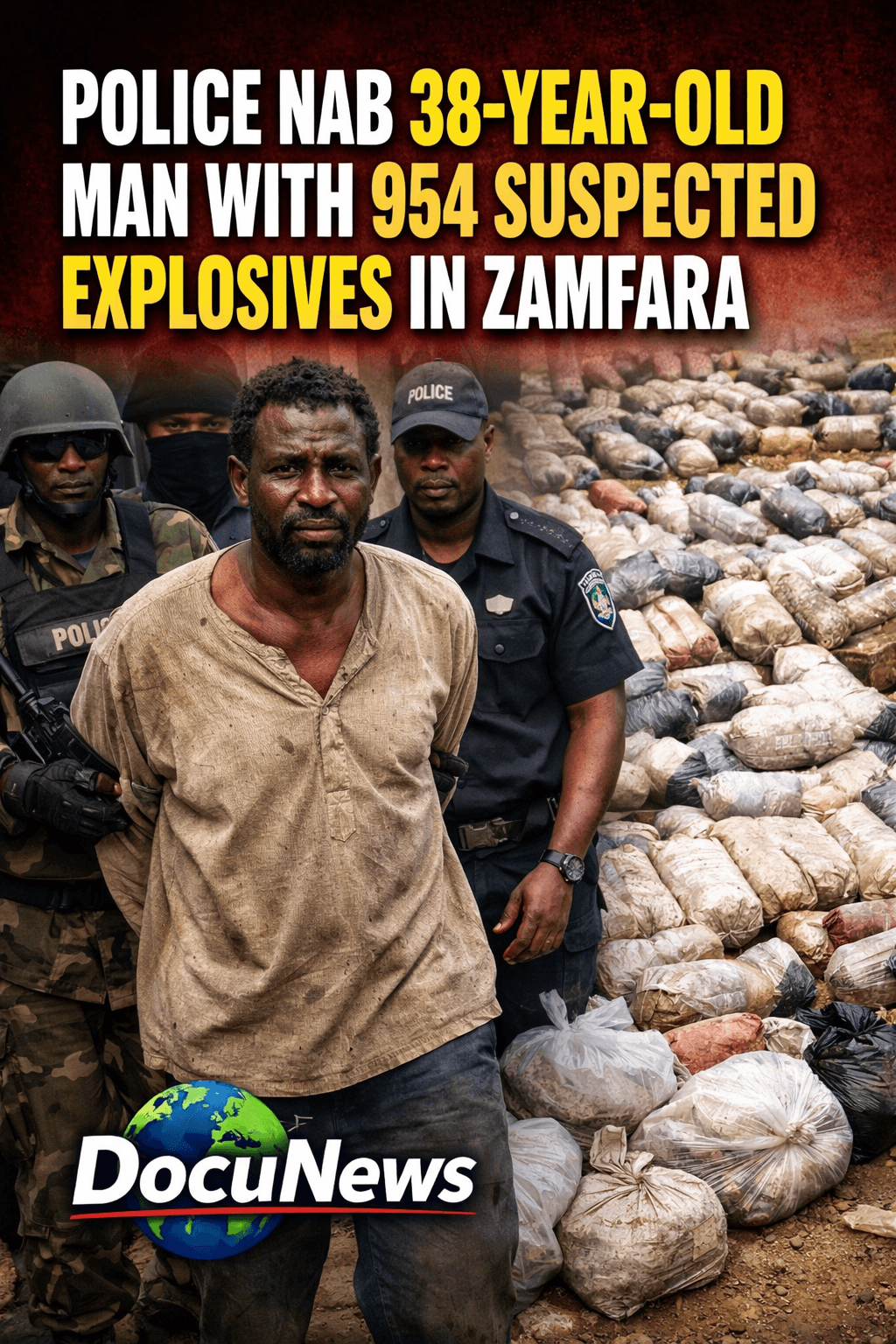
In a dramatic operation that grabbed national attention, police arrested a 38‑year‑old man with 954 suspected explosive materials in Zamfara State. The haul of items is believed to be tied to the creation of improvised explosive devices (IEDs). The suspect, identified as Mustapha Mohammad, was intercepted in a vehicle carrying the materials. Authorities believe the items were bound for violent groups often referred to as bandits. This arrest highlights an urgent effort to disrupt weapons supply and protect communities.
This development is part of a larger pattern of security challenges in northwest Nigeria. On 27 January 2026, in Zamfara State, police operatives acted on credible tips and carried out a targeted search that led to this high‑profile arrest and recovery. The event stands out for its scale and the number of suspected explosive items seized. It also shows how intelligence‑led policing can yield strong results in volatile regions. By removing nearly one thousand items that can be turned into lethal devices, authorities likely prevented significant loss of life and property.
Read Also Two Killed, Several Injured in Suspected Nigerian Air Force Helicopter Attack
How the Arrest Happened
Police say the operation began with intelligence from reliable sources. Officers with the Zamfara State Police Command’s Task Force on Illegal Mining received a tip that a man was transporting suspicious materials. They moved fast.
At about 4:15 p.m. on 27 January 2026, they stopped a silver Toyota Corolla headed through a rural area of the state. The driver, later identified as Mustapha Mohammad, was ordered to pull over. Police conducted a meticulous search.
Inside, they found nine hundred and fifty‑four (954) pieces of suspected explosive materials hidden in polyethylene bags. Every bag was sealed. All materials were clearly stashed away. The men did not resist. They were taken into custody immediately. The discovery shocked officers and bystanders alike because of the sheer volume of pieces found. Each piece could be used to build explosive devices, officials said.
After the arrest, police brought Mohammad to the nearest command station. They secured all exhibits and called in specialists to handle them. The Nigeria Police Force issued an official statement confirming the facts. The police also reiterated that the materials could have been used by criminals to make deadly devices.
The Man at the Center: Mustapha Mohammad
Police identified the suspect as Mustapha Mohammad, a 38‑year‑old man. Officers say he was in charge of the vehicle found with explosives. Investigators have not said where he got the materials or where he planned to deliver them.
Authorities have also not publicly stated whether he confessed to any involvement. However, they are questioning him to uncover whether there are others involved. Early signs suggest he may not have acted alone. That possibility has raised fresh concerns about networks that traffic in explosive materials throughout the region.
Police are tracking every lead. They hope to determine if he was working for organised groups linked to ongoing attacks in communities across northern Nigeria. If confirmed, this would reflect a sophisticated operation rather than a lone individual’s actions.
What the Explosive Materials Could Mean
The 954 pieces are not finished bombs. Rather, they are materials that can be turned into what police call Improvised Explosive Devices (IEDs). Such devices cause widespread damage and kill innocent civilians. They also target security forces during patrols. Bandits have used IEDs to ambush convoys and strike isolated villages.
Police have already handed the materials to the Police Explosive Ordnance Disposal (EOD) Team. These specialists will analyse each piece. They will determine exactly what it is, how it functions, and how it can be safely disposed of. The examination can also help investigators trace where the materials came from.
Initial reports say the objects could be parts of IEDs or raw explosive components. Recovering them intact gives investigators a chance to learn about how suspects build weapons. This could help law enforcement thwart future attacks.
You may have missed this Borno Under Fire: Boko Haram Kills Seven Soldiers, Seizes Army Commander
The Role of the Police Task Force on Illegal Mining
This task force is a specialised unit within the Zamfara State Police Command. It was first set up to tackle illegal mining. Over time, its mission expanded. That mission now includes disrupting cross‑border criminal networks. These networks use illegal mining routes to move contraband, guns, and explosives.
Police say the task force is trained in tactical search operations. They know how to act quickly when credible intelligence comes in. In this case, they used these skills to stop a potential threat before it reached its destination.
Moreover, the task force works closely with other units. They include the Explosive Ordnance Disposal teams and federal intelligence resources. This improves coordination. It ensures that leads are followed up and suspects are tracked effectively.
People are reacting to this Ten Days On, 166 Worshippers Still Missing After Kaduna Church Abduction
Why This Arrest Matters
This arrest has strong implications for public safety. First, it removes nearly one thousand pieces of material that could be used to build weapons. That alone could save many lives. Second, it puts a suspected supplier behind bars. If he is part of a larger network, more arrests could follow.
Third, the arrest challenges narratives that criminals act without consequence. Police have shown they can disrupt dangerous operations. They can do so using intelligence. This increases public confidence in security forces.
Finally, this arrest could give investigators more information about how criminal networks operate. If Mohammad cooperates, authorities could gain insight into supply routes, key players, and existing gaps in enforcement.
Links to Bandit Activity and Insecurity in Zamfara
Zamfara State has been at the center of recurring banditry. These groups are armed and violent. They attack villages. They kidnap residents for ransom. They also block roads and burn property. Security experts say the availability of weapons and explosives fuels their actions.
Bandits often use IEDs and other crude explosive devices to ambush security forces. They also use them to protect their camps. Removing these materials from circulation could weaken their capacity to attack.
Security efforts in the region have increasingly focused on cutting off supplies. That includes intercepting weapons, vehicles, and related parts. Federal and state authorities have partnered with community leaders to identify threats. Every arrest adds to a bigger picture of how criminal networks operate and how to defeat them.
What the Police Have Said Publicly
The Nigeria Police Force and the Zamfara State Command have released statements. They confirm that this arrest happened on 27 January 2026. The suspect was driving a Toyota Corolla when officers stopped him. Police say they acted on credible intelligence.
The materials were discovered hidden in polyethylene bags. Police say they could have been used to make IEDs. Investigators are still working to establish how the suspect got the materials. They also want to know the destination. Other accomplices may also be arrested. Police said the investigation is ongoing and that updates will be shared as new facts emerge.
How the Materials Will Be Handled
Once police confiscate suspected explosives, they follow strict procedures. They secure the area. They call trained experts from the Explosive Ordnance Disposal (EOD) Team. These specialists know how to handle dangerous materials safely. They also perform forensic work. This can uncover fingerprints or other evidence. It can also show how the items were meant to be combined.
Forensic analysis is slow and careful. Authorities take no risks because even small errors can be deadly. Once this process is done, scientists and EOD officers report findings to prosecutors. Those findings will influence charges and later court proceedings.
Nigerian Law on Explosives and Public Safety
Under Nigerian law, unlawful possession of explosive materials is a serious offence. Prosecutors can pursue severe penalties. Convictions often lead to long prison terms. They can also include fines. If law enforcement links the suspect to terrorism or aiding violent groups, federal anti‑terror laws could apply.
Prosecutors will begin building their case soon. They need evidence. They need witness statements. They need forensic results. All of these help establish intent and involvement beyond possession. If convicted under these statutes, the suspect faces significant punishment.
Implications Going Forward
The arrest of Mustapha Mohammad could help change the security landscape. It sends a clear message that police are watching. It shows that credible intelligence and swift action work. It also encourages citizens to report suspicious behaviour. When the public and police work together, outcomes improve.
Yet, challenges remain. Nigeria faces deep‑rooted insecurity in several regions. For example, neighbouring states have also reported arresting suspects with illegal weapons and explosive devices. Continued vigilance is essential. Law enforcement must remain proactive. They must continue using intelligence and community partnerships to disrupt criminal networks.
This arrest is one part of a larger effort. It shows that even in areas with persistent insecurity, progress can happen.
Final Thoughts
The arrest of a 38‑year‑old man with 954 suspected explosive materials in Zamfara State marks a significant step in combating illegal arms movement. It highlights how decisive action can prevent violence. The Nigerian police acted decisively and based on solid intelligence. They intercepted a substantial cache of suspected materials. They put a suspect in custody. They safeguarded the community from potential harm.
Going forward, investigators will continue to dig deeper. They will seek answers about networks and motivations. The public will watch closely. And security forces will remain engaged.
For more context on this story, read the original report from PUNCH and related coverage from TVC News. You can also follow updates from NigerianEye.




One thought on “Police Nab 38-Year-Old Man with 954 Suspected Explosives in Zamfara”