







It was meant to be an ordinary morning. Instead, in Madagali, Adamawa State, terror struck. Six family members were kidnapped in a violent assault. The suspected insurgents arrived before dawn and shattered the peace of Gare Village in Pallam District. The attack triggered a massive security response. Police, army units, and local task forces raced to stop the terrorists and rescue the captives. This early morning raid has alarmed residents and drawn national attention.
On January 26, 2026, at Gare Village in Pallam District of Madagali Local Government Area, Adamawa State, Nigeria, suspected terrorists ambushed a farming community. They abducted six members of a family and rustled livestock. The Adamawa State Police Command confirmed the attack and said a joint rescue mission is underway. The operation involves the Nigeria Police, the Army’s 144 Battalion, and the Civilian Joint Task Force. Efforts continue amid high tension and widespread concern over local safety.
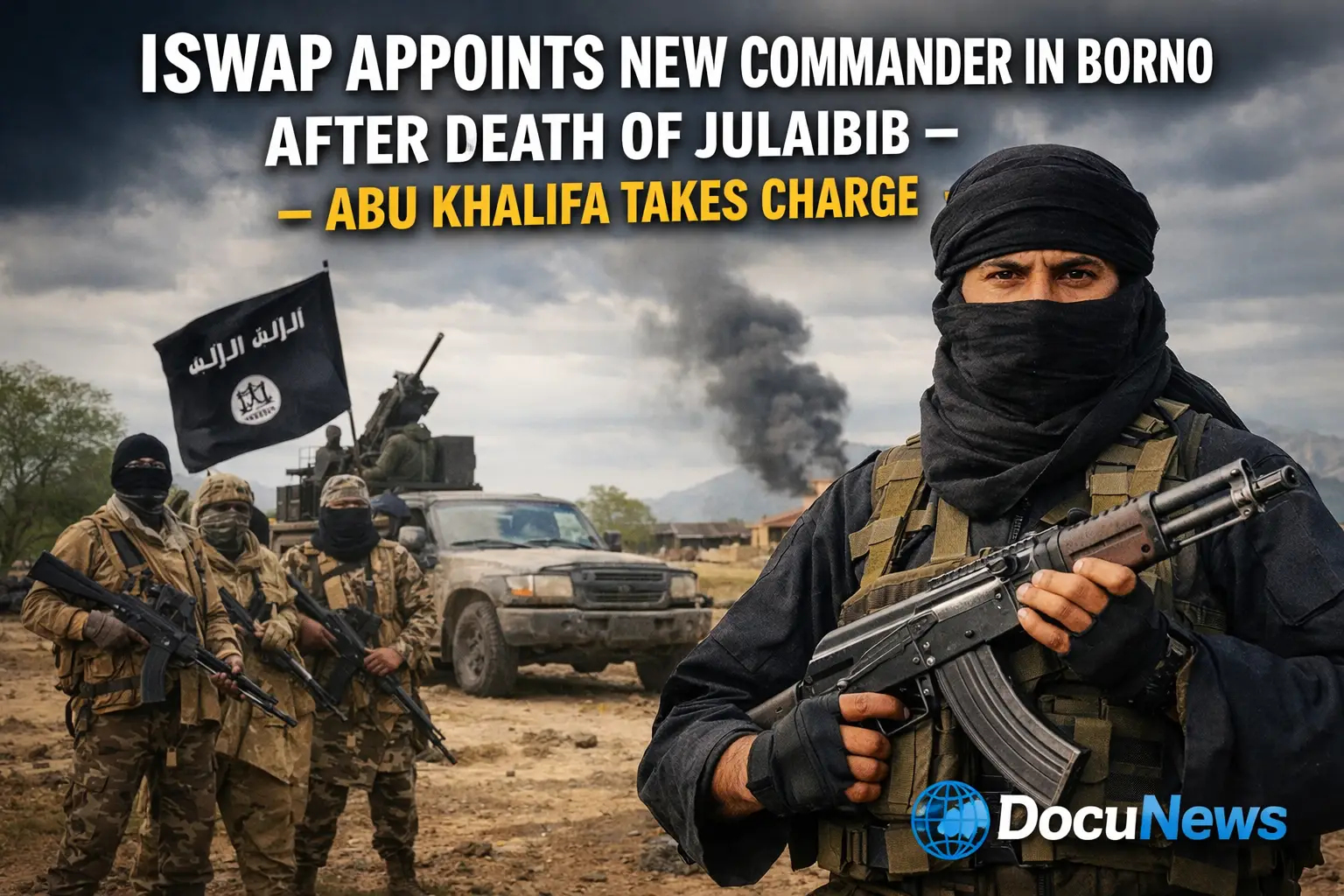
Image Credit, Visit Disclaimers: Use Of AI Images In Our Newsletters
Context: Rising Insecurity in Adamawa State
The northeast region of Nigeria has faced persistent insecurity for more than a decade. Armed groups, especially Boko Haram and its offshoots, have carried out raids, ambushes, and abductions. Such events disrupt rural life and devastate communities. In Adamawa, security challenges have risen in both rural and peri‑urban areas.
In recent months, militants struck Hong Local Government, killing civilians and burning homes. Other clashes occurred between rival communities in Lamurde Local Government. These incidents followed a string of attacks on local guards and forest troops earlier in January 2026, when militants killed two forest guards and abducted another operative.
These events underscore the broader regional threat. Insurgents have adapted their tactics, blending overnight raids with kidnappings to sow fear. Rural communities such as Gare Village have become targets due to their remote location and limited defence capacity.
Read more Nigeria Set to Court-Martial 16 Soldiers Over Alleged Coup Plot as Military Breaks Silence
The Gare Village Attack: What Happened?
Just before sunrise on January 26, armed men stormed Gare Village. The attackers came with motorcycles and possibly other vehicles. They moved quickly and quietly. Many villagers were still asleep. Shots rang out. Families scrambled. In minutes, six people were forced into captivity. Several livestock animals were also taken. 2
Local sources describe how the assailants targeted one household. They moved past others and ignored livestock enclosures until they reached their main victims. The assault lasted no more than a few minutes before the terrorists disappeared into the bush. Villagers alerted security forces, who responded swiftly given the gravity of the attack.
People are reacting to this Military Launches Air and Ground Assault on Terrorist Camps in Kwara
The Victims: Who Were They?
At the time of writing, the six abducted family members have not been publicly identified. Police confirmed the number taken and acknowledged the urgency of their rescue. Authorities have not released details about their ages or exact relationships. However, the community has rallied around the family, which has lived in Gare Village for generations. 3
Relatives and neighbours described the victims as well‑liked and hard‑working. They were known for farming and raising livestock. The loss has reverberated throughout the village and neighbouring communities. Many locals are now afraid to travel alone or work outside their compounds.
You may like this Honored Abroad, Condemned at Home: The Far-Reaching Implications of Nnamdi Kanu’s Honorary Georgia Citizenship
Police and Military Launch Rescue Operation
Immediately after the raid, the Adamawa State Police Command announced a rescue mission. The statement, signed by Police Public Relations Officer SP Suleiman Yahaya Nguroje, confirmed that security forces had mobilised. A joint counter‑terror operation was launched with reinforcements from the Nigerian Army, the police, and the Civilian Joint Task Force.
Commissioner of Police Dankombo Morris ordered intensified patrols and heightened security across Madagali and border communities. Forces were directed to surround likely escape routes. The strategy focuses on tightening the perimeter to prevent the abductors from fleeing deeper into forested areas.
Authorities have promised to issue further updates. Meanwhile, families of the kidnapped individuals wait anxiously. Security officials have reached out to local leaders to gather more information and coordinate the response.
You may have missed this Troops Arrest 65-Year-Old Woman for Supplying Drugs to Boko Haram in Borno
Why Gare Village Was Targeted
Gare Village’s remote location makes it vulnerable. Rural settlements lack fortified defences and rapid response units. Roads in and out of the village are narrow and poorly maintained, making it possible for armed groups to slip in and out undetected. Pallam District, where Gare resides, has seen few large‑scale security deployments in recent months, further emboldening insurgents.
Additionally, Gare Village sits in the home local government area of Governor Ahmadu Umaru Fintiri. Although the governor had been travelling on official duties across Adamawa, the attack in his home district carries both symbolic and political weight. Residents feel the insecurity threat is closer to home than ever.
This Suprise so many people. Troops Kill 168 Bandits, Arrest 357 Collaborators, Rescue 1,624 Kidnap Victims in Northwest
Local Reactions and Community Fear
The Garre community is shaken. Villagers report sleeping with doors unlocked during daytime but now secure them day and night. Parents caution children against playing outside. Economically, families have halted farming activities because workers fear leaving compounds. Neighbours report a sense of dread reminiscent of past attacks in the broader northeast region.
Local elders have called on the government for increased patrols and better intelligence gathering. Many are sceptical that a full rescue will occur without community cooperation and better resources. They have urged residents to share information with security forces, hoping that even seemingly small details could help track the abductors.
Tactics Used by Militants in Kidnapping Operations
Kidnapping in Nigeria’s insurgency often follows similar patterns. Militants typically strike early in the morning or at night. They aim to cause maximum chaos and minimal resistance. Often they flee into nearby bushland or forest zones, making pursuit difficult. Roads in rural areas provide limited visibility for pursuing forces.
Insurgents also divide their forces into small units that slip in quietly, abduct targets, and disappear. These tactics were evident in Gare Village. The kidnappers showed planning and knowledge of local terrain, suggesting prior reconnaissance or insider knowledge of movement patterns. Their ability to strike near populated areas without detection remains a major concern.
Historical Context: Boko Haram’s Activity in Adamawa
This recent abduction is not the first in Madagali. In October 2025, Boko Haram or its affiliates abducted four villagers from Wagga Mongono in Madagali County. In that earlier case, one of the captives was killed for resisting. The cumulative effect of these raids is a sense that insurgent groups are reasserting themselves in parts of Adamawa. 6
Additionally, in September 2025, security forces repelled a kidnapping attempt in Kombla community within the same local government area. That event showed joint forces can respond effectively when alerted early. However, Gare Village’s abduction highlights how insurgents still exploit gaps in security coverage. 7
Government Response and Security Strategy
State and federal officials are under pressure. Residents want real results and not just statements. The intensified rescue operation is part of a larger effort to push back against terrorism and kidnapping. Security agencies are deploying additional units, conducting patrols, and holding community briefings. They emphasise collaboration and shared intelligence as keys to success.
Nevertheless, the challenges are steep. Rural terrain, limited surveillance, and the insurgents’ familiarity with forested regions complicate operations. Security forces are asking villagers to remain vigilant and to report suspicious movement immediately.
Impact on Local Economy
The abduction has disrupted daily life. Farming is the primary source of income in Gare Village. With residents afraid to work their fields, crop planting and harvest schedules have been postponed. Livestock theft further damages livelihoods. Families now face food insecurity and potential economic collapse if the situation persists.
Local markets have seen lower attendance. Traders express fear of travelling to and from rural settlements. The psychological impact of terrorism has extended beyond the immediate victims to the wider community.
Voices of Concern: Elders and Youth Speak Out
Village elders have held meetings to discuss safety measures. Youth leaders have volunteered to assist security forces with patrols, where possible. They understand the risks but feel compelled to protect their homes and families.
One elder said, “We cannot live in fear. But we need help now.” Another youth leader added, “We feel abandoned. We must be part of the solution.” These sentiments reflect frustration and a deep desire for protection.
Comparative Kidnapping Trends in Nigeria
Sadly, kidnappings have become a broader national issue. In northern Nigeria’s Zamfara State, armed groups recently abducted dozens of villagers in coordinated raids. While those kidnappings stem from banditry rather than Boko Haram specifically, they reflect a nationwide challenge of violent abductions. 8
Meanwhile, in Kaduna State, attackers abducted over 170 civilians during church services. These incidents amplify national calls for stronger security reforms and community protection measures. 9
International Perspective and Humanitarian Concerns
International observers continue to monitor Nigeria’s security situation. Humanitarian organisations emphasise the physical and mental toll on victims and their families. Kidnapped persons endure trauma, hardship, and uncertainty while in captivity. Families experience deep emotional distress awaiting news of their loved ones.
These humanitarian voices demand sustained action. They argue that long‑term peace depends on addressing root causes: poverty, marginalisation, and lack of economic opportunity in remote regions.
What’s Next: Prospects for Rescue and Recovery
As of this writing, security forces remain focused on rescuing the six abducted family members. Reinforcements continue to arrive in Madagali. Tracking operations are ongoing in surrounding forests and bushland. Every lead matters. Even small clues could make the difference.
Residents are encouraged to share information confidentially. Police and military units are offering channels for tips. Interfaith groups and local leaders are coordinating support for families affected by the attack.
The coming days will be crucial. If the victims are found early, negotiators might secure their freedom without further bloodshed. The longer they remain in captivity, the more difficult and dangerous the rescue becomes.
Final Words: Resilience Amid Threat
The kidnapping of six family members in Madagali is a stark reminder of ongoing security challenges in northeastern Nigeria. Yet it also highlights resilience. Villagers, elders, and youth alike have not retreated into despair. They seek solutions and stand ready to assist security agencies. Their courage, combined with dedicated efforts by police and military, fuels hope that peace will prevail once again.
This attack must be a turning point. Stronger security measures, deeper community engagement, and sustained political will are essential. Only then can rural communities sleep without fear, farm without hesitation, and live without dread. The path forward will be hard, but it is necessary.
Residents, authorities, and Nigerians across the country now unite in a shared hope: the safe return of the abducted family and the long‑term peace of Adamawa State.
Sources:
- TVC News coverage of the Adamawa rescue operation
- Naija News on the Adamawa attack
- Linda Ikeji’s Blog on the incident
- Reuters on broader kidnapping trends
- Reuters on other kidnappings in Nigeria



One thought on “Six Family Members Kidnapped as Terrorists Attack Madagali, Adamawa”