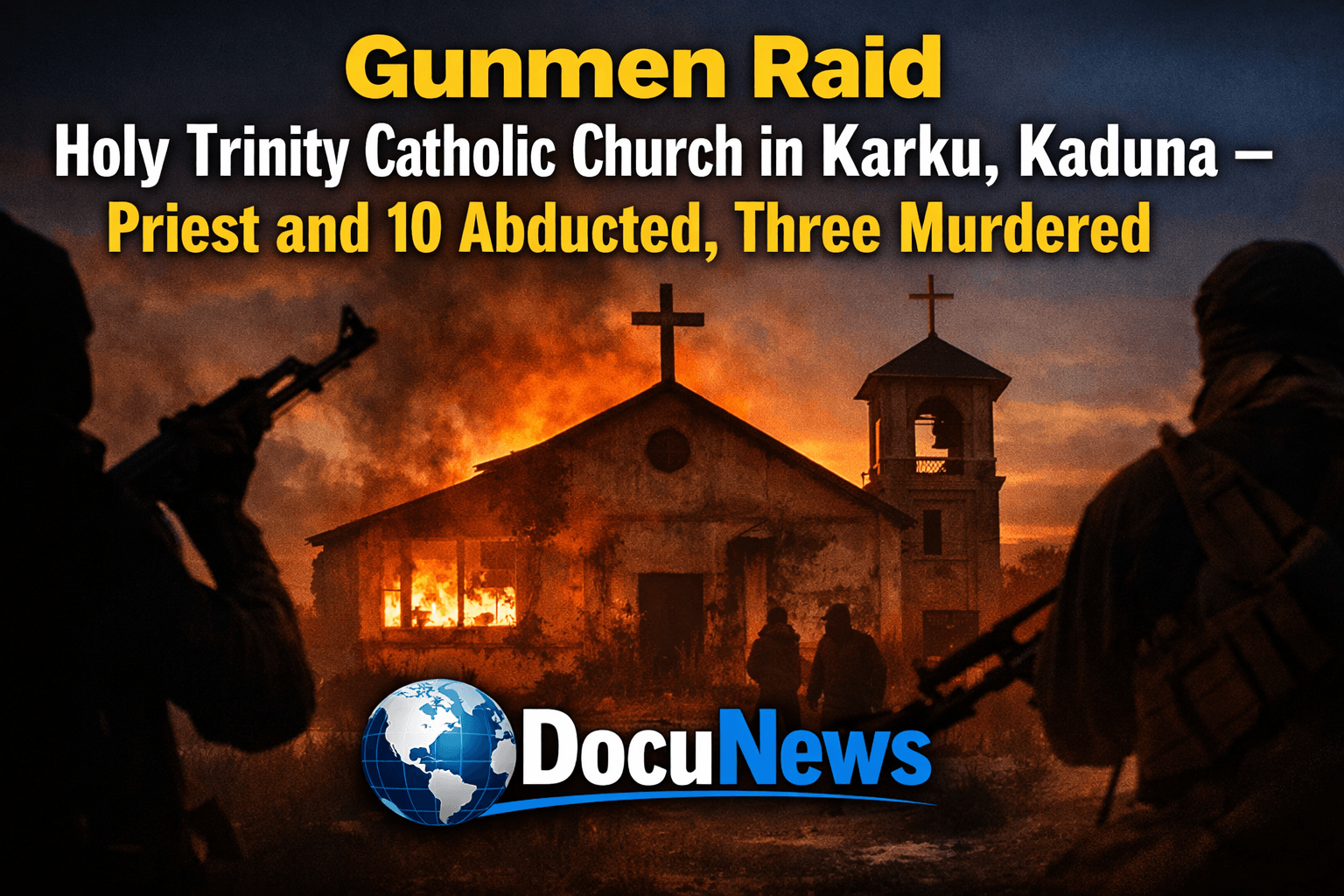








President Bola Ahmed Tinubu has taken a decisive step in Nigeria’s ongoing fight against insecurity. On Monday, the federal government officially designated armed bandits as terrorists. This move signals a major shift in how violent crime will be handled across the country.
More importantly, the president made it clear that no mercy would be shown to violent criminals. According to government officials, the new classification allows security agencies to deploy stronger measures. As a result, bandit groups will now face the full weight of Nigeria’s anti-terrorism laws.
Across the nation, reactions have followed swiftly. While many Nigerians welcomed the decision, others called for careful implementation. Still, the message from Aso Rock remains firm. The era of leniency, according to the presidency, has ended.
Why the Terrorist Designation Matters
The designation of bandits as terrorists changes everything. Previously, banditry was treated largely as a criminal issue. However, terrorism laws allow broader powers. These include asset seizure, extended surveillance, and international cooperation.
Because of this shift, security forces can now act faster. Intelligence sharing will improve. Border operations will also tighten. Consequently, criminal networks may find it harder to operate.
According to legal experts, the designation removes loopholes. It also strengthens prosecution. Terror-related charges often carry stiffer penalties. Therefore, suspects face longer sentences if convicted.
Tinubu’s Zero-Tolerance Message
President Tinubu’s stance was direct. He vowed zero tolerance for violent crime. He also emphasized that national security remains his top priority.
During a security briefing, the president stressed unity. He called on Nigerians to support security agencies. At the same time, he warned criminals to surrender or face decisive action.
Furthermore, Tinubu reaffirmed his administration’s commitment to protecting lives. He stated that economic growth cannot thrive amid fear. Stability, he argued, must come first.
Security Agencies Get Expanded Powers
With the new classification, the military and other agencies now have expanded authority. Joint task forces can operate with fewer restrictions. Surveillance operations will also intensify.
In addition, intelligence agencies can track funding channels more effectively. Terrorism financing laws allow government to freeze accounts linked to violence.
According to senior security officials, coordination will improve. The army, police, and intelligence units will now operate under a unified framework.
Impact on Affected Communities
For communities plagued by bandit attacks, the announcement brings renewed hope. Many residents have suffered kidnappings, killings, and displacement.
Farmers, in particular, have faced severe losses. As attacks increased, food production dropped. Therefore, the government believes stronger action will restore confidence.
Community leaders have urged sustained operations. They also asked for better protection during military offensives. Trust, they say, must be rebuilt.
Human Rights Concerns Raised
Despite broad support, concerns remain. Human rights groups have called for caution. They warn against abuses during counterterrorism operations.
According to activists, civilian protection must remain central. They argue that intelligence-led operations reduce collateral damage.
In response, government officials assured compliance with international standards. They promised accountability mechanisms. Oversight, they said, will not be ignored.
Legal Backing and Constitutional Basis
The terrorist designation follows existing Nigerian law. The Terrorism (Prevention) Act provides the framework. Under the law, groups engaging in mass violence qualify.
Legal analysts note that court approval remains necessary. Arrests and seizures must still follow due process.
As a result, the government insists that the move respects constitutional safeguards.
Political Reactions Across Nigeria
Political leaders across party lines have reacted. Many governors welcomed the decision. They described it as overdue.
Some lawmakers, however, requested clarity. They asked how the policy would be implemented nationwide.
Nevertheless, bipartisan consensus appears strong. Most agree that insecurity demands firm action.
Regional and International Implications
The decision also has regional significance. Bandit networks often operate across borders. Therefore, international cooperation becomes critical.
Nigeria can now work more closely with neighboring countries. Intelligence sharing under counterterrorism agreements will increase.
Experts believe this could disrupt arms trafficking routes. It may also reduce cross-border kidnappings.
Economic Implications of the Crackdown
Insecurity has weighed heavily on Nigeria’s economy. Investors often cite safety concerns.
By addressing violence decisively, the government hopes to restore confidence. Improved security could boost agriculture, mining, and trade.
Additionally, rural development may accelerate once farmers return to their lands.
Public Opinion and Social Media Response
On social media, reactions poured in. Many Nigerians praised the president’s firmness.
Others demanded results. They stressed that words must translate into action.
Overall, public sentiment appears cautiously optimistic.
Comparison With Past Administrations
Previous governments attempted various strategies. Some relied on negotiations. Others launched military operations.
However, critics argue that inconsistent enforcement weakened results.
Tinubu’s approach differs in tone. It emphasizes classification, coordination, and consequences.
Experts Weigh In on Effectiveness
Security analysts have offered mixed views. Some believe the designation will deter criminals.
Others argue that success depends on intelligence quality. Without accurate data, operations may fail.
Still, most experts agree that clarity in policy helps.
What Comes Next
Implementation now becomes key. The government plans phased operations.
According to officials, priority areas have been identified. Surveillance has already increased.
Citizens have been urged to report suspicious activity.
Internal and External Accountability
To maintain credibility, transparency remains crucial.
Parliamentary committees are expected to monitor operations.
International partners will also observe developments closely.
Linking the Policy to Broader Security Strategy
The designation fits into a broader security overhaul.
Defense spending has increased. Recruitment continues.
Technology adoption, including drones, is expanding.
Internal Links for Further Reading
For more analysis on Nigeria’s security challenges, read our related report: Death Sentence Won’t Solve Kidnapping, Tinubu Govt Tells National Assembly .
Outbound Reference
For legal background on terrorism classification, see the overview by the United Nations Counter-Terrorism Committee .
Conclusion
President Tinubu’s decision marks a turning point.
By designating bandits as terrorists, the government has raised the stakes.
Whether the policy succeeds will depend on execution.
For now, Nigerians watch closely.
The message, however, is unmistakable.
Violent crime will face zero tolerance.