



42 Killed in Iran as Protests Continue
On January 8 and 9, 2026, people throughout Iran poured into streets in multiple cities, including Tehran, Isfahan, Shiraz, Mashhad, Rasht, Kerman, and Tabriz. They took action shortly after 8:00 p.m. local time on January 8, following calls for nationwide demonstrations. By early January 9, reports confirmed that 42 people had died during the unrest, including civilians and security personnel, and thousands more were detained. [Source]
This mass movement began in late December 2025, triggered by sharp economic distress, including a collapse of the national currency and rising food and fuel costs. As dissatisfaction spread, economic complaints evolved into broader calls for political change. Even after authorities shut down internet and cellular networks across the country, crowds continued to assemble and protest. [Source]
Background information on related events, such as the 2019 Iranian protests and Mahshahr massacre, helps contextualize the scale of demonstrations in the country.
Background: Why People Took to the Streets
For weeks before the recent unrest, citizens struggled with an economy weakened by international sanctions, currency volatility, and unemployment. Inflation eroded purchasing power. Shops that once bustled were empty, and bazaars in major hubs like Tehran’s Grand Bazaar were largely closed. [Source]
On December 28, 2025, economic discontent ignited public action. Online calls for solidarity, televised coverage, and street marches transformed financial grievances into a broader social movement. Demonstrators demanded reforms and accountability from the ruling establishment. [Source]
Protests Spread, 42 Killed, Internet Shutdown and Escalation
Protests Spread and Casualties Mount
By January 8, the demonstrations had reached a scale not seen in years. People in multiple cities marched and chanted slogans demanding change, while security forces responded with increased force. Confrontations were reported in public squares, markets, and main streets. [Source]
Human rights monitoring groups confirmed that at least 42 people were killed. Many deaths occurred when forces used live ammunition, while others resulted from chaotic street confrontations near key transit points. Authorities detained more than 2,200 people during the period. [Source]
Internet Shutdown Won’t Silence Protesters
The government cut all internet and cellular services on January 8 at about 8:00 p.m. local time to disrupt coordination. Despite the blackout, crowds continued to assemble the next day. Global monitoring organisations such as NetBlocks documented extremely limited connectivity, with major providers disrupted. [Source]
Eyewitness accounts and video footage still reached international newsrooms through bypassed networks and proxy connections. Protesters adapted using VPNs, offline coordination, and trusted messenger channels. Some services began to return in isolated regions by late January 9, but full restoration remained unclear. [Source]
Firsthand Scenes: Streets, Voices, and Frustrations
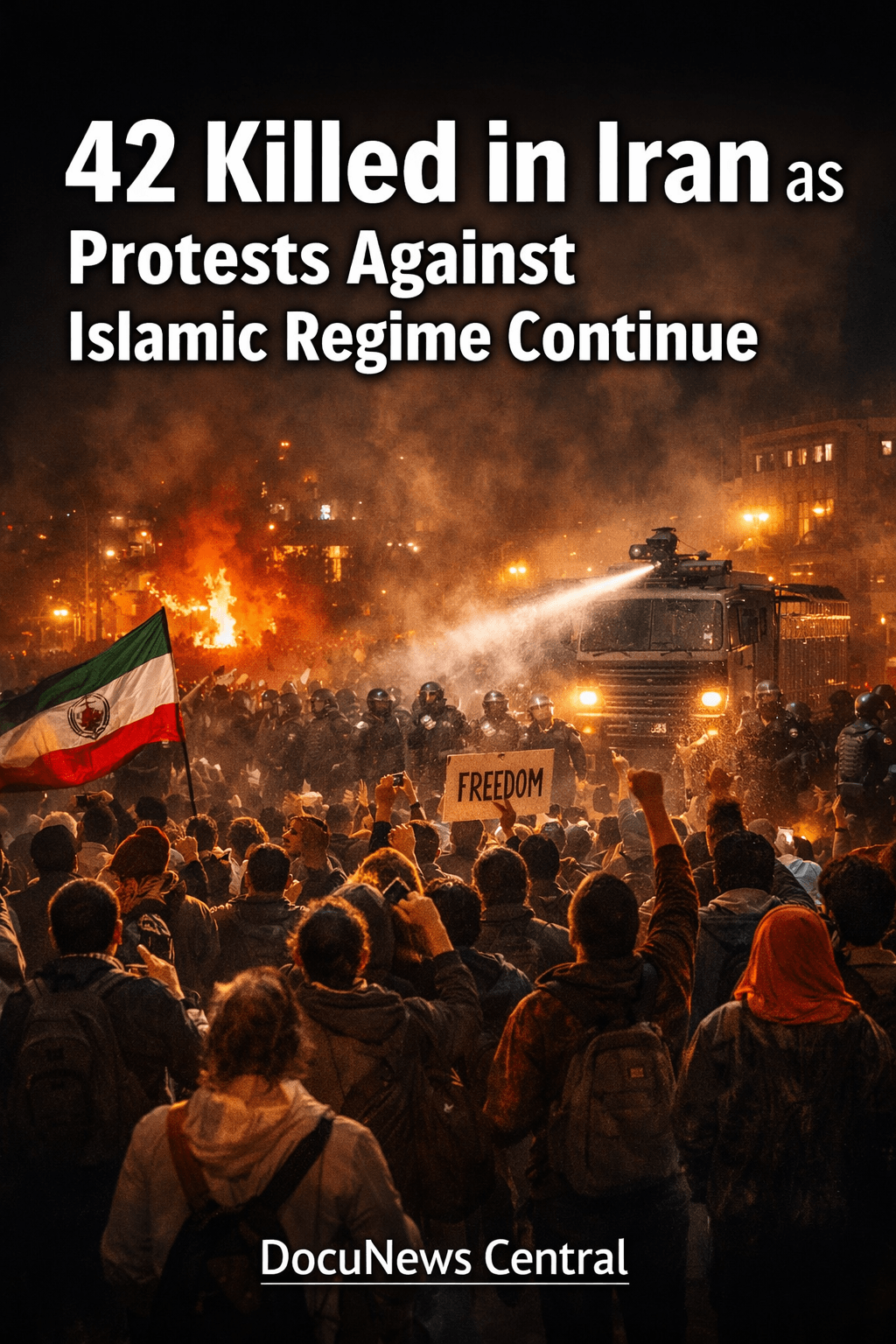
Demonstrators in Tehran described energy and tension. Thousands gathered in intersections and public squares, carrying handmade signs and chanting slogans reflecting economic frustration and political dissent. In Shiraz, crowds blocked traffic, while in Isfahan shopkeepers closed businesses in solidarity. In Rasht, Hamadan, and Kerman, heavy security presence was noted. [Source]
While midday protests remained largely peaceful, clashes intensified after dusk. Tear gas, water cannons, and occasional live fire were reported. Smoke rose above barricades at key intersections, symbolizing public defiance. Despite crackdowns, participants emphasized calls for systemic change and accountability from leadership. [Source]
Human Impact and International Reaction
The loss of life has deeply affected families and communities. Relatives held vigils, while independent organisations documented casualties. Many families called for transparent investigations. [Source]
Globally, France urged Iranian leadership to uphold human rights, emphasizing freedom of expression and peaceful assembly. The United States also urged restraint and de-escalation. [Source]
What Comes Next: Uncertain Road Ahead
As demonstrations continue, uncertainty remains. Even if intensity declines, underlying grievances persist. Analysts warn that long-standing tensions will not dissipate without meaningful reforms. Observers note that grassroots organizing, even during connectivity blackouts, indicates future social movements could endure. [Source]
Related Analysis
- 46-Year-Old Nigerian Shot Dead at Yorkdale GO Terminal in Toronto
- Bandits Strike in Plateau, Kill Ayuba Choji After Threats
- Terror and Banditry Threaten South West Stability, Afenifere Says
Sources
- AP News: Protests sweep Iran
- Reuters: Internet blackout in Iran
- LiveMint: Iran protests live
- Reuters: International response



2 thoughts on “42 Killed in Iran as Protests Continue”