
Breaking news
Family Says Teen Girl Was Taken and Forced to Islam in Kano

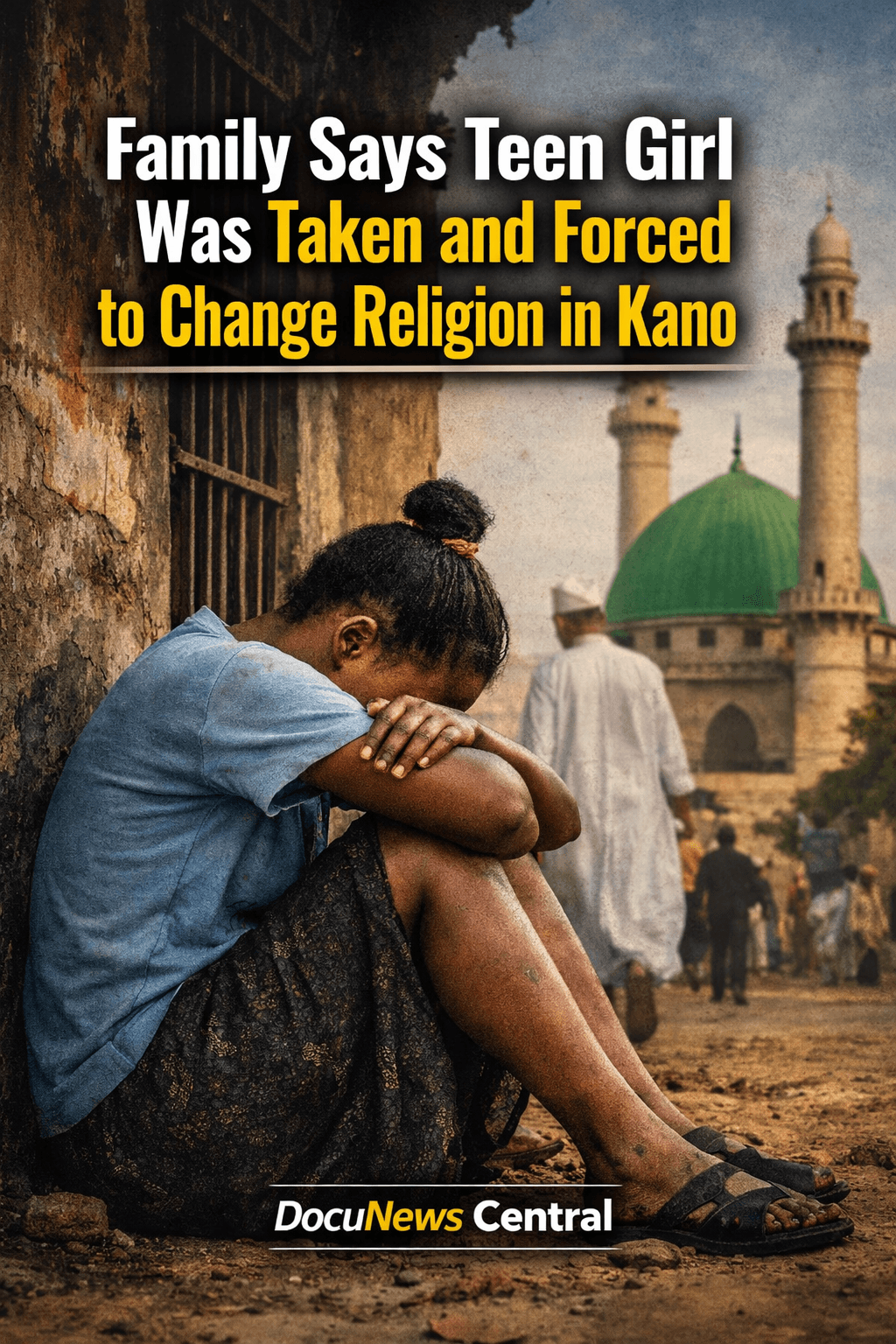
Family Says Teen Girl Was Taken and Forced to Change Religion in Kano
On December 1, 2025, in Kadafa Bari District, Rogo Local Government Area of Kano State, Nigeria, a family reported the disappearance of their 15-year-old daughter, describing events that later raised serious concerns about coercion and religious pressure. According to relatives, the girl left home in the early hours of that Tuesday morning and failed to return, prompting an immediate search across nearby communities.
As hours turned into days, anxiety grew within the household. Family members contacted neighbors, traditional leaders, and security agencies, hoping to trace her movements. Despite repeated visits to police posts and local authority offices, answers remained unclear. By the evening of December 2, fear deepened as no official confirmation of her location had emerged.
Information later suggested that the teenager was being held within Rogo town under the supervision of the local Hisbah authority. This development intensified public concern, especially as the family insisted their daughter had not consented to leaving home or altering her faith. Reports of restricted access to her further escalated tension in the area. Read also 8 Killed in Deadly Clash Between Cult Gangs in Benue
Community Reaction as Family Says Teen Girl Was Taken in Kano
Residents of Kadafa Bari and surrounding settlements reacted strongly once the story spread. Community discussions unfolded in homes, markets, and places of worship. Many locals expressed sympathy for the parents, noting that the disappearance of a minor unsettles any community regardless of belief or background.
Pastor Kabiru Usman, a cleric familiar with the family, stated that initial inquiries to local offices produced conflicting responses. Eventually, information pointed toward the Hisbah commander in Rogo, identified as Malam Sani, as being aware of the girl’s whereabouts. The family maintained that no lawful process justified keeping the teenager away from her parents.
During this period, relatives also approached the media to draw attention to the situation. Their decision reflected growing frustration and fear for the child’s welfare. Emotional strain reportedly affected the household, as nights passed without direct contact or reassurance.
Concerns expanded when the family alleged that officers from the Department of State Services delayed intervention. One claim suggested logistical excuses hindered immediate action, a situation that observers said compounded mistrust and distress. Although authorities have not publicly confirmed these details, the claims fueled further debate.
Religious Freedom Concerns Surround the Kano Incident
The case reignited broader conversations about religious freedom and child protection in northern Nigeria. Analysts referenced earlier incidents, including the well-known Ese Oruru case, to illustrate how disputes involving minors and faith can spiral into national controversies.
Nigeria’s constitution guarantees freedom of religion and parental rights over minors. However, enforcement varies across states, particularly where religious enforcement bodies operate. According to international observers, such inconsistencies often create grey areas that expose families to prolonged disputes.
Human rights advocates emphasized that minors require special protection under both Nigerian law and international conventions. Groups monitoring similar cases have repeatedly urged authorities to prioritize child welfare above doctrinal enforcement. They argue that clarity and transparency reduce the risk of unrest.
Reports from organizations tracking religious freedom, including the U.S. State Department, highlight the importance of swift, impartial responses when allegations involve children. Observers believe unresolved cases damage public trust and social harmony.
What the Family Says Teen Girl Was Taken and Forced to Change Religion Means Going Forward
As of early January 2026, the family continues to seek lawful intervention to reunite with their daughter. Legal practitioners familiar with similar disputes say court oversight often becomes necessary when administrative channels stall. Such steps, they argue, help ensure accountability and protect fundamental rights.
Public expectation now centers on transparency from Kano State authorities. Many residents hope for a resolution that respects family bonds while upholding the law. Community leaders have also urged calm, encouraging dialogue rather than confrontation as investigations continue.
Civil society groups stress that this situation offers an opportunity for reform. Clear guidelines on the treatment of minors, especially in matters touching faith and custody, could prevent similar disputes in the future. Advocacy organizations insist that safeguarding children strengthens community trust.
For the affected family, the priority remains simple and urgent: the safe return of their child. As discussions persist across Kano and beyond, the outcome of this case may influence how similar allegations are handled nationwide.
For more context on related issues, readers may explore coverage on Truth Nigeria and ongoing investigative reports by Sahara Reporters.
Releted Stories
- 42 Killed in Iran as Protests Continue
- Bandits Strike in Plateau, Kill Ayuba Choji After Threats
- 46-Year-Old Nigerian Shot Dead at Yorkdale GO Terminal in Toronto
- Bandits Strike in Plateau, Kill Ayuba Choji After Threats