
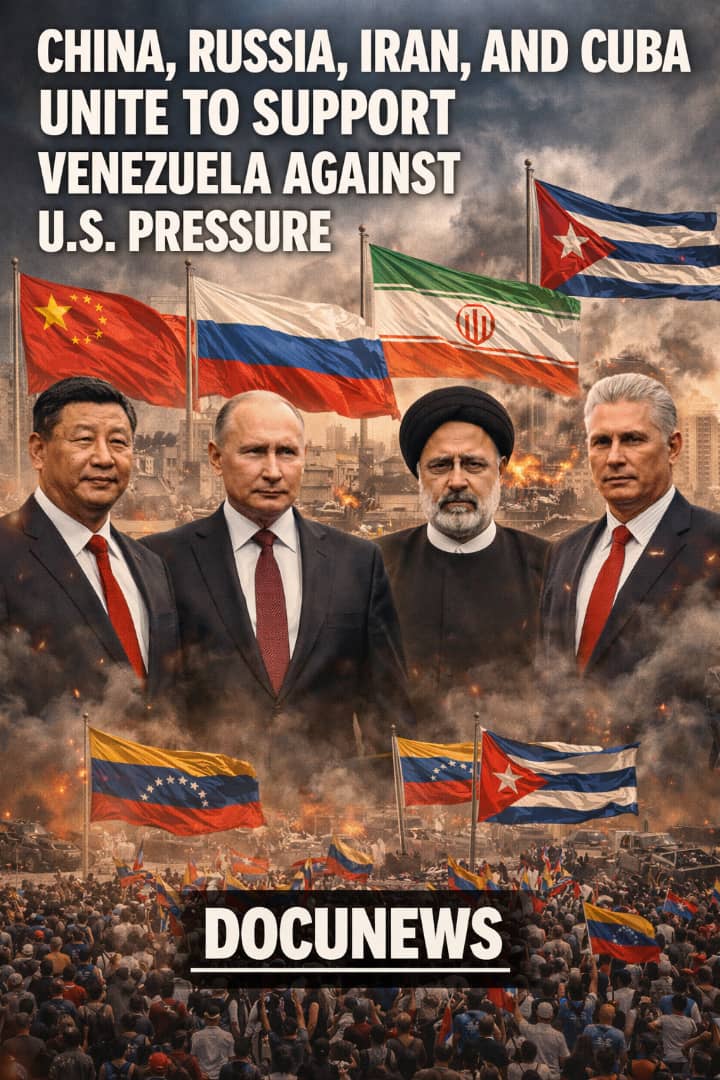
In recent months, Venezuela has become the focus of an intensifying geopolitical standoff. China, Russia, Iran, and Cuba have extended diplomatic, political, and economic support to Caracas, fortifying its position against mounting U.S. pressure. This alliance carries significant consequences not only for Venezuela but also for regional stability and global power dynamics.
Venezuela’s Political and Economic Landscape
Venezuela, a country rich in oil and natural resources, has faced years of political turmoil, economic hardship, and international sanctions. The leadership in Caracas has struggled to maintain internal stability while resisting foreign intervention. According to BBC, the Venezuelan government has relied on strategic alliances to preserve its sovereignty and secure economic lifelines. The collaboration with China, Russia, Iran, and Cuba provides the country with a buffer against external pressures, ensuring the continuation of essential public services and government operations.
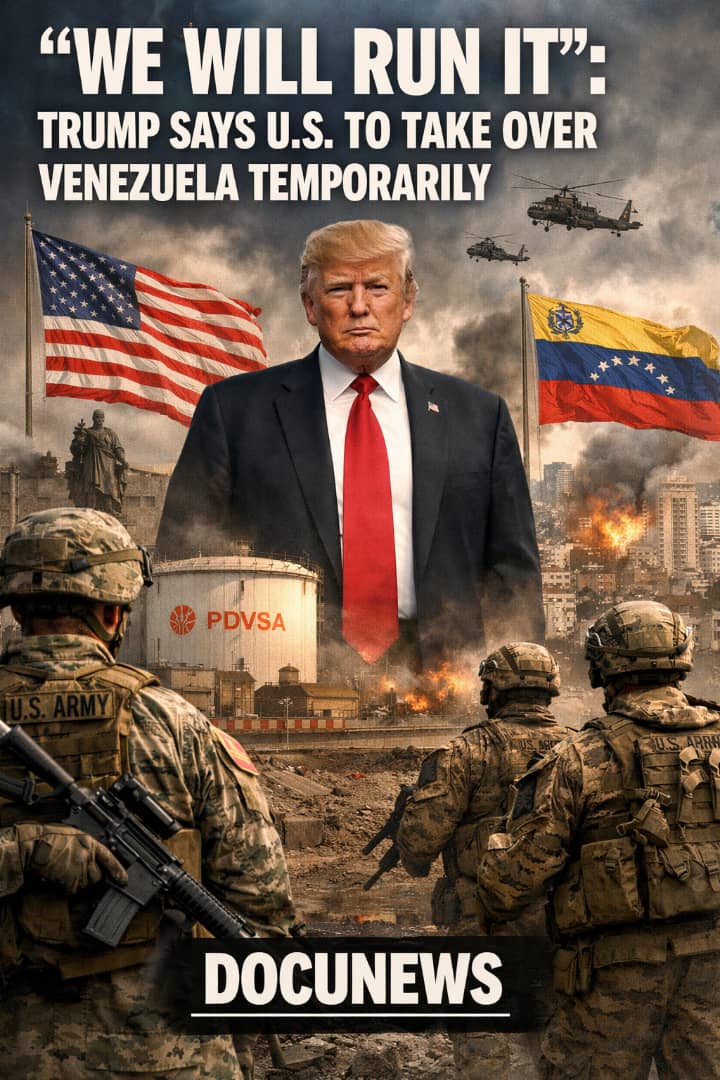
The Venezuelan economy has been affected by hyperinflation, a decline in oil production, and restrictive international sanctions. However, investments and trade deals with China and Russia have helped stabilize critical sectors, particularly energy, mining, and infrastructure. The infusion of technical expertise and financial support from Iran has also bolstered industrial production and technological development. Pause. Have you seen this? People are reacting to this headline “We Will Run It”: Trump Says U.S. to Take Over Venezuela Temporarily
China’s Strategic Role in Venezuela
China has emerged as one of Venezuela’s most significant international partners. The country has invested billions in Venezuelan infrastructure, oil, and mining projects. According to Reuters, these investments are not only economic but also strategic, giving China influence in the Western Hemisphere and access to crucial energy resources.
Beijing’s approach combines financial aid, trade agreements, and technological support. Chinese companies have engaged in joint ventures with Venezuelan counterparts, creating jobs and ensuring the flow of oil exports to Asian markets. This long-term commitment strengthens Caracas’ resilience against U.S. sanctions and underscores the headline: China, Russia, Iran, and Cuba Unite to Support Venezuela Against U.S. Pressure.
Russia’s Military and Diplomatic Involvement
Russia plays a critical role in Venezuela’s defense and international diplomacy. The deployment of military advisors, joint exercises, and arms sales have enhanced Caracas’ security capabilities. The Al Jazeera report emphasizes that Moscow aims to solidify Venezuela as a strategic partner, enabling both nations to challenge U.S. dominance in the region.
Russia also assists Venezuela in multilateral diplomacy, supporting its initiatives in forums such as the United Nations. This coordination strengthens Venezuela’s negotiating position, ensuring that any U.S. intervention would face coordinated opposition. The strategic collaboration directly highlights the headline: China, Russia, Iran, and Cuba Unite to Support Venezuela Against U.S. Pressure. Hold on. You can equally read this Breaking: Zamfara Bandits Strike Again, Burn Two Vehicles and Abduct Travelers
Iran’s Economic and Technical Assistance
Iran provides Venezuela with vital economic, technological, and logistical support. Despite facing U.S. sanctions, Tehran continues to supply technical expertise, industrial equipment, and financial aid. This partnership allows Venezuela to bypass some restrictions imposed by Western financial systems and maintain essential industries.
According to experts from the Council on Foreign Relations, Iran’s collaboration is particularly significant in energy and agriculture, helping Venezuela achieve partial economic self-sufficiency. This assistance reinforces Venezuela’s autonomy and underlines the headline: China, Russia, Iran, and Cuba Unite to Support Venezuela Against U.S. Pressure.
Cuba’s Longstanding Advisory and Strategic Support
Cuba has maintained a consistent advisory role in Venezuela for decades, providing expertise in healthcare, education, intelligence, and governance. Havana’s support has helped Caracas manage social programs and maintain internal stability despite external pressures.
Cuba’s role extends to diplomacy and soft power influence in Latin America. By assisting Venezuela in regional negotiations, Cuba contributes to a broader coalition that balances U.S. influence, ensuring that the alliance of China, Russia, Iran, and Cuba remains robust and effective.
Impact on U.S.-Venezuela Relations
The coordinated support from these global powers has complicated U.S. policy toward Venezuela. Diplomatic efforts to influence Caracas now face substantial resistance due to the combined political, economic, and military backing from China, Russia, Iran, and Cuba. Experts argue that this alignment represents a direct challenge to U.S. influence in the Western Hemisphere.
Sanctions imposed by Washington have been partially offset by foreign investments and trade agreements with Venezuela’s allies. Oil exports, mineral production, and critical infrastructure projects continue with international backing, limiting the effectiveness of U.S. measures. This strategic resilience reinforces the headline: China, Russia, Iran, and Cuba Unite to Support Venezuela Against U.S. Pressure.
Global Diplomatic and Economic Implications
The alliance has broad global implications. Venezuela’s partnerships influence energy markets, regional security, and international diplomacy. By maintaining strong relations with these powers, Venezuela secures leverage in multilateral forums, countering unilateral pressure and setting precedents for sovereignty-focused policies worldwide.
Energy geopolitics remain critical. Venezuela possesses vast oil reserves, and cooperation with China and Russia allows continued exports despite U.S. sanctions. This affects global oil prices, international energy security, and the strategic calculations of multiple nations.
Security collaboration also signals deterrence. Joint military exercises and advisory programs enhance Venezuela’s defense capabilities and demonstrate an ability to resist coercive measures. This alliance ensures Caracas maintains strategic autonomy and strengthens regional influence.
Future Outlook for Venezuela and Its Allies
Looking ahead, the support from China, Russia, Iran, and Cuba positions Venezuela to pursue independent economic and foreign policies. The alliance may expand to include additional trade agreements, infrastructure projects, and diplomatic coordination. This unified front ensures that Caracas remains resilient against external pressures and highlights the enduring relevance of the headline: China, Russia, Iran, and Cuba Unite to Support Venezuela Against U.S. Pressure.
As global power dynamics continue to shift, Venezuela’s partnerships exemplify how strategic alliances can challenge established influence and foster regional stability. Analysts predict that such cooperation will serve as a model for other nations seeking to counterbalance unilateral pressures in international relations.
Conclusion
The ongoing support from China, Russia, Iran, and Cuba empowers Venezuela to resist U.S. pressure, maintain sovereignty, and implement independent policies. This alliance demonstrates how strategic partnerships influence global geopolitics, regional stability, and energy markets. Venezuela’s strengthened ties with these key allies mark a significant shift in international diplomacy and reflect a rebalancing of power that will shape Latin America and beyond.
For further reading on Venezuela’s alliances and global geopolitical developments, visit Council on Foreign Relations, Foreign Affairs, and BBC News Latin America.