




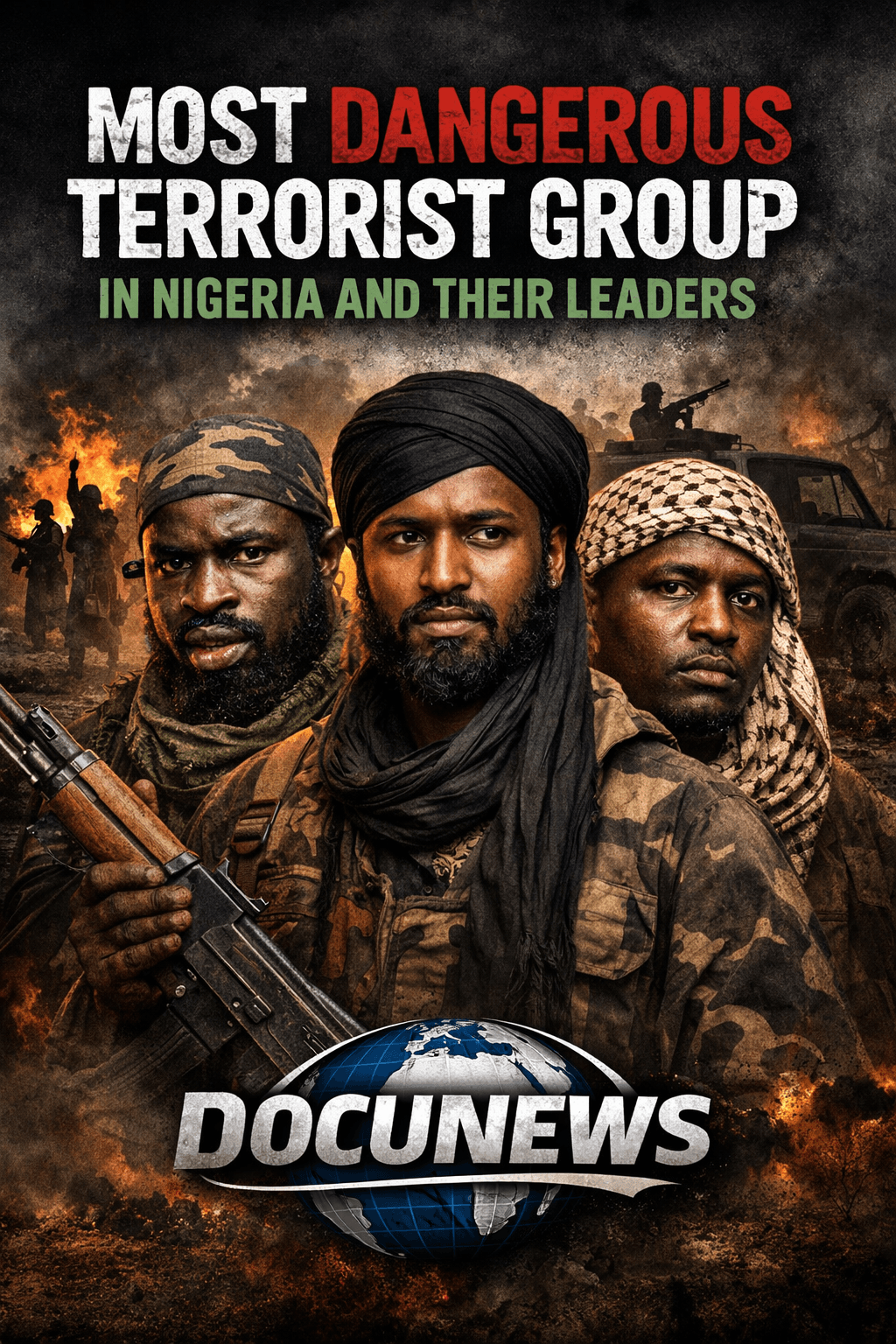
Most Dangerous Terrorist Group in Nigeria and Their Leaders continues to dominate national security conversations as violent extremism reshapes daily life across many regions of the country. Nigeria remains trapped in a complex web of jihadist insurgency, emerging militant factions, and heavily armed bandit networks whose leaders influence violence far beyond their immediate territories. Although military operations have reclaimed several strongholds, terrorist organizations still adapt, reorganize, and strike soft targets. As a result, ordinary citizens face constant uncertainty while policymakers struggle to stabilize affected communities.
Published on February 9, 2026, in Abuja, Nigeria, this in-depth report explores the most dangerous terrorist organizations currently operating within Nigeria’s borders, tracing their origins, leadership evolution, operational tactics, and social impact. Furthermore, it highlights how ideology, poverty, porous borders, and criminal financing continue to strengthen extremist recruitment pipelines.
Photo Credit Visit Disclaimers: Use Of AI Images In Our Newsletters
This analysis also references DocuNews Central for continuous reporting on Nigeria’s security crisis and evolving extremist threats.
Meanwhile, understanding these groups helps citizens, journalists, and international partners develop informed responses to one of Africa’s most persistent conflicts.
Understanding Nigeria’s Terror Landscape
Nigeria’s terrorism crisis did not emerge overnight. Instead, it developed gradually through years of social inequality, political neglect, youth unemployment, religious manipulation, and fragile rural governance. Over time, these vulnerabilities created an environment where radical ideologies flourished.
Initially, extremist groups recruited followers through religious preaching and community outreach. However, as government crackdowns intensified, these movements adopted violence. Consequently, Nigeria entered a prolonged insurgency cycle that now spans more than fifteen years.
Today, terrorism in Nigeria exists in three interconnected forms: jihadist insurgency, militant splinter cells, and criminal bandit terrorism. Although each category differs ideologically, they increasingly overlap operationally, sharing weapons routes, intelligence, and recruitment corridors.
This convergence explains why eliminating one leader rarely ends violence. Instead, new commanders emerge quickly, often more radical than their predecessors.
For Security Updates In Nigeria Visit Security updates Nigeria
Boko Haram: Nigeria’s Original Terror Network
Among all extremist organizations in Nigeria, Boko Haram remains foundational. The group began in the early 2000s in Borno State as a radical religious movement rejecting Western education and secular governance.
However, everything changed in 2009 after violent clashes with security forces. Boko Haram transformed into a full insurgency. From that point forward, attacks escalated dramatically.
The U.S. National Counterterrorism Center describes Boko Haram as an organization seeking to overthrow Nigeria’s federal system and impose extremist religious law.
https://www.dni.gov/nctc/terrorist_groups/boko_haram.html
Over the years, Boko Haram carried out suicide bombings, school abductions, market massacres, and coordinated village raids. Additionally, it destroyed infrastructure, displaced millions, and destabilized the Lake Chad Basin.
Although military pressure reduced its territorial control, Boko Haram never disappeared. Instead, it fragmented, producing multiple factions that still operate today.
Mohammed Yusuf: The Ideological Architect
Mohammed Yusuf founded Boko Haram and attracted followers by exploiting frustration over corruption, unemployment, and perceived moral decay. His sermons emphasized rejection of Western influence while promising spiritual renewal.
Although Yusuf initially avoided large-scale violence, his rhetoric created fertile ground for radicalization. After authorities captured and killed him in 2009, Boko Haram entered a far bloodier phase.
His death did not weaken the movement. Instead, it radicalized it.
Abubakar Shekau: The Era of Extreme Brutality
Abubakar Shekau assumed leadership following Yusuf’s death. Under Shekau, Boko Haram became internationally infamous.
He authorized indiscriminate killings, mass kidnappings, and forced recruitment of children. Most notably, his faction abducted over 200 schoolgirls from Chibok in 2014, drawing global outrage.
Shekau also purged internal rivals and rejected negotiations. Consequently, Boko Haram splintered as commanders defected to more structured jihadist movements.
Although Shekau reportedly died in 2021 after clashes with rival extremists, his legacy of violence continues through surviving factions.
Bakura Doro: Post-Shekau Insurgency Leader
Following Shekau’s collapse, Boko Haram fractured further. One major faction now operates under Bakura Doro, sometimes called Bakura Sahalaba.
This group rejects Islamic State affiliation yet continues kidnappings and village raids across northeastern Nigeria. Despite losing territory to ISWAP, Bakura’s fighters maintain influence in remote communities.
Islamic State West Africa Province (ISWAP)
In 2015, Boko Haram split again. A powerful faction pledged allegiance to ISIS and formed Islamic State West Africa Province, widely known as ISWAP.
Unlike its parent organization, ISWAP emphasizes military targets while maintaining local governance structures in captured territories.
https://en.wikipedia.org/wiki/Islamic_State%E2%80%93West_Africa_Province
ISWAP operates across northeastern Nigeria and neighboring Chad, Niger, and Cameroon. Its fighters conduct ambushes, roadside bombings, and coordinated assaults on military bases.
Moreover, ISWAP uses propaganda effectively, portraying itself as disciplined and organized compared to Boko Haram’s chaotic brutality.
Abu Musab al-Barnawi: Strategic Commander
Abu Musab al-Barnawi, son of Boko Haram founder Mohammed Yusuf, emerged as one of ISWAP’s most influential leaders.
He promotes structured command systems, centralized finance, and battlefield discipline. Although reports once claimed his death, intelligence sources later confirmed his continued operational role.
https://en.wikipedia.org/wiki/Abu_Musab_al-Barnawi
Under Barnawi and allied commanders, ISWAP expanded recruitment while strengthening logistical networks around Lake Chad.
Ansaru: Al-Qaeda’s Nigerian Affiliate
Ansaru split from Boko Haram in 2012, criticizing indiscriminate civilian violence. The group aligned with al-Qaeda affiliates and focused on symbolic attacks, foreign kidnappings, and targeted assassinations.
Although smaller today, Ansaru maintains connections with jihadist networks across the Sahel.
https://en.wikipedia.org/wiki/Ansaru
Historic Ansaru Leadership
- Abubakar Adam Kambar (Abu Yasir)
- Khalid Barnawi (Abu Usamatal Ansari)
- Abu Jafa’ar
In 2025, Nigerian authorities arrested Mahmud Muhammad Usman, a senior Ansaru financier, disrupting several funding pipelines.
However, remaining cells still operate quietly along border regions.
Lakurawa: The Rapid Rise of a Northwest Terror Movement
Lakurawa represents one of Nigeria’s newest and most disturbing extremist developments. Originally formed as a loosely organized community defense network in parts of Sokoto and Kebbi States, the group quickly transformed into an armed militant movement enforcing rigid ideology through violence. Over time, Lakurawa abandoned its original purpose and adopted extremist doctrines similar to jihadist factions operating across the Sahel. As a result, villages once seeking protection found themselves under authoritarian control, facing bans on music, forced religious observance, and violent punishment for perceived disobedience.
By late 2024 and throughout 2025, Lakurawa expanded its reach across rural settlements in northwest Nigeria, staging coordinated raids, burning homes, abducting residents, and executing community leaders who resisted its authority. Nigerian security agencies formally designated Lakurawa as a terrorist organization after confirming its operational ties to foreign jihadist networks in Niger and Mali. Intelligence assessments also revealed that Lakurawa had begun integrating tactics learned from ISWAP and Ansaru, including ambush formations and mobile attack units. These developments elevated Lakurawa from a local militia into a regional security threat.
https://www.counterextremism.com/countries/nigeria-extremism-and-terrorism
One of the most alarming incidents attributed to Lakurawa occurred in early 2026 when coordinated assaults on farming communities resulted in more than one hundred civilian deaths. Survivors reported that attackers arrived on motorcycles in organized formations, separated men from women, looted food supplies, and torched grain stores. These actions demonstrate Lakurawa’s strategic intent to destabilize food security while consolidating territorial control through fear.
Ameer Habib Tajje and Lakurawa’s Shadow Leadership
Although Lakurawa operates through decentralized command cells, intelligence analysts identify Ameer Habib Tajje as a pivotal figure in the group’s formation and ideological direction. Tajje reportedly maintains links with jihadist facilitators across the Sahel and coordinates recruitment through religious intermediaries embedded within rural communities. However, Lakurawa avoids centralized hierarchy, allowing local commanders to execute operations independently while adhering to shared ideological objectives. This structural flexibility complicates counterterrorism efforts because removing one leader does not dismantle the network.
Mahmuda: A Lesser-Known but Dangerous Splinter Group
Mahmuda represents another emerging jihadist splinter that operates primarily around Kainji Lake National Park and neighboring border corridors. Although smaller in scale compared to Boko Haram or ISWAP, Mahmuda has demonstrated increasing operational confidence through targeted killings, market attacks, and intimidation campaigns against civilian vigilante groups. The organization recruits locally by exploiting grievances related to land disputes, livestock theft, and government neglect, thereby embedding itself within affected communities.
Security forces arrested Mahmud al-Nigeri in 2025, identifying him as a senior Mahmuda commander responsible for coordinating recruitment and weapons acquisition. Despite this disruption, Mahmuda continues to function through autonomous cells that rely on informal supply chains and community-based intelligence. Analysts warn that such fragmented structures allow the group to regenerate quickly, particularly in remote regions where government presence remains limited.
Moreover, Mahmuda’s activities illustrate how Nigeria’s extremist ecosystem continues to evolve. Instead of relying solely on large centralized organizations, militants increasingly operate in micro-networks that blend ideological extremism with criminal enterprise.
Bandit Terror Networks: When Criminal Gangs Become Insurgents
Beyond formal jihadist organizations, Nigeria faces a growing threat from heavily armed bandit groups whose activities increasingly resemble terrorism. These networks dominate parts of Zamfara, Katsina, Kaduna, and Sokoto States, conducting mass kidnappings, village raids, and targeted assassinations. Initially motivated by cattle rustling and territorial disputes, many bandit groups evolved into sophisticated criminal enterprises that now collaborate with extremist factions for weapons, intelligence, and safe passage.
This convergence between banditry and jihadism has transformed northwest Nigeria into a volatile conflict zone. Bandit leaders impose taxes on rural communities, extort farmers, and enforce compliance through violence. Meanwhile, ransom payments provide steady income streams that fund weapons purchases and recruitment drives. As these networks grow stronger, they increasingly challenge state authority, undermining governance and eroding public trust in security institutions.
Bello Turji: Symbol of the Bandit-Terror Nexus
Among Nigeria’s most notorious bandit commanders is Bello Turji Kachalla, whose operations span Zamfara and neighboring states. Turji leads a powerful militia responsible for mass kidnappings, coordinated village attacks, and ambushes on security convoys. His network reportedly generates millions of naira through ransom payments, which finance arms procurement and expansion into new territories.
https://en.wikipedia.org/wiki/Bello_Turji
Although Nigerian forces have launched repeated offensives against Turji’s camps, his fighters exploit forest cover and porous borders to evade capture. Moreover, Turji’s group occasionally cooperates with jihadist elements, exchanging logistics support for access to smuggling routes. This collaboration exemplifies how criminal violence increasingly intersects with ideological extremism.
Recruitment Pipelines and Financing Mechanisms
Terrorist organizations in Nigeria rely on diverse recruitment strategies that target vulnerable populations. Extremist recruiters approach unemployed youth, displaced persons, and marginalized villagers with promises of income, protection, or religious purpose. In many cases, children are forcibly conscripted after their communities fall under militant control.
Financing methods vary across groups but commonly include kidnapping-for-ransom, cattle rustling, illegal mining, taxation of occupied villages, and cross-border smuggling. ISWAP operates structured taxation systems in areas under its influence, while bandit groups rely heavily on ransom economies. Meanwhile, smaller factions such as Mahmuda depend on informal networks and community sympathizers.
Additionally, extremist financiers exploit informal banking systems and cash couriers to move funds across borders, complicating tracking efforts by financial intelligence units.
Geographic Expansion and the Spread of Violence
Over the past decade, Nigeria’s terrorism crisis has expanded far beyond its original northeastern epicenter. What began primarily in Borno State now affects vast areas of the northwest, north-central corridor, and border communities stretching into Niger, Chad, and Cameroon. Boko Haram and ISWAP maintain operational strongholds around Lake Chad, while Lakurawa and bandit-terror networks dominate rural Sokoto, Zamfara, Katsina, and Kebbi. Meanwhile, splinter factions like Mahmuda exploit forest reserves and national parks as safe havens. This geographic expansion reflects how extremist organizations adapt to military pressure by dispersing into remote terrain where surveillance remains difficult and governance is weak.
Furthermore, cross-border mobility allows fighters to retreat into neighboring countries after attacks, resupply through illicit trade routes, and re-enter Nigerian territory with minimal resistance. As a result, Nigeria’s counterterrorism efforts increasingly require regional coordination. However, inconsistent border enforcement and limited aerial surveillance continue to provide militants with strategic depth.
The Human Cost: Civilians Caught Between Extremists and Survival
The most devastating consequence of Nigeria’s terrorism crisis remains its impact on civilians. Entire communities have been uprooted, farmland abandoned, and local economies shattered. According to humanitarian agencies, millions of Nigerians now live as internally displaced persons, relying on overcrowded camps or host communities for survival. Children miss years of schooling, while families struggle to access healthcare and clean water. Women face heightened risks of exploitation and abuse, particularly in regions controlled by militants or bandit groups.
Additionally, extremist violence has destroyed traditional agricultural cycles, contributing to food insecurity across northern Nigeria. Farmers fear returning to fields due to ambush risks, while traders avoid rural markets targeted by kidnappers. Consequently, prices rise, poverty deepens, and resentment toward state institutions grows. Extremist recruiters then exploit this hardship by presenting themselves as providers of order, income, or protection, reinforcing a destructive cycle.
Nigeria’s Military Strategy and Security Challenges
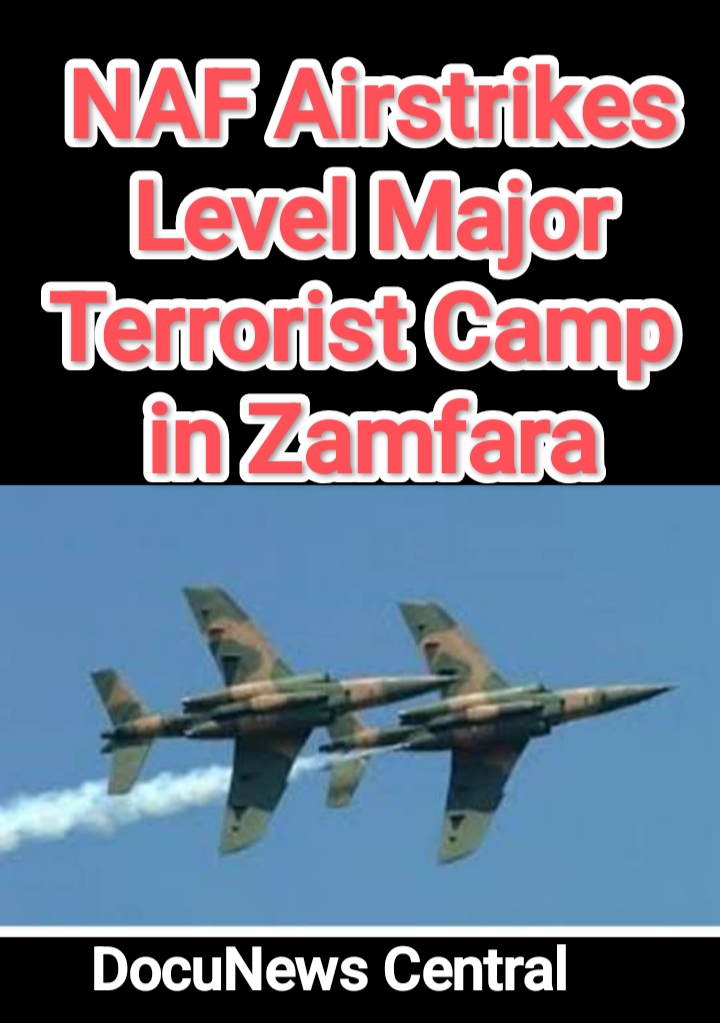
The Nigerian government continues to deploy large-scale military operations against insurgent strongholds, combining airstrikes, ground offensives, and intelligence-led raids. Security forces have dismantled several camps and eliminated high-profile commanders. Nevertheless, terrorist groups demonstrate remarkable resilience. Each military success often triggers dispersal rather than collapse, pushing militants into forests and border regions where they reorganize under new leadership.
Moreover, logistical constraints limit sustained operations in remote terrain. Poor road networks, insufficient airlift capacity, and equipment shortages hinder troop mobility. At the same time, allegations of corruption and delayed salaries affect morale within some units. These challenges allow extremist groups to exploit gaps in coverage, conducting hit-and-run attacks before retreating into inaccessible areas.
To address these weaknesses, Nigeria has expanded community policing initiatives and civilian joint task forces. While local participation improves intelligence gathering, it also exposes volunteers to retaliation. Militants frequently target vigilante members and their families, discouraging cooperation with authorities.
International Cooperation and Regional Security Partnerships
Recognizing the transnational nature of Nigeria’s terror threat, Abuja works closely with regional partners through the Multinational Joint Task Force involving Niger, Chad, and Cameroon. These collaborations focus on joint patrols, intelligence sharing, and synchronized operations around Lake Chad. In parallel, Nigeria receives technical support from Western allies, including surveillance assistance, training programs, and limited airstrike coordination.
International actors emphasize that long-term stability requires more than military force. Development agencies advocate investments in education, job creation, infrastructure, and deradicalization initiatives. Without addressing underlying socio-economic grievances, extremist networks will continue finding recruits among marginalized populations.
The Role of Information Warfare and Online Radicalization
In addition to physical violence, terrorist organizations increasingly rely on digital platforms to spread propaganda, recruit sympathizers, and intimidate opponents. ISWAP operates sophisticated media channels that portray fighters as disciplined soldiers while downplaying civilian suffering. Bandit leaders circulate videos to demonstrate power and deter resistance. These online campaigns amplify fear and complicate counter-narratives, especially in regions with limited access to independent journalism.
Consequently, Nigerian authorities have intensified monitoring of extremist content while promoting community awareness campaigns. However, limited digital literacy in rural areas makes populations vulnerable to misinformation. Extremist messaging often blends religious rhetoric with promises of financial reward, appealing to desperate youth seeking purpose or income.
Why Leadership Decapitation Alone Is Not Enough
Although eliminating senior commanders disrupts operations temporarily, Nigeria’s experience demonstrates that leadership decapitation alone cannot defeat terrorism. Boko Haram survived the deaths of Mohammed Yusuf and Abubakar Shekau. ISWAP reorganized after internal power struggles. Lakurawa and Mahmuda continue operating despite arrests of key figures. Each time authorities remove one leader, decentralized cells fill the vacuum.
This pattern highlights the importance of comprehensive strategies combining security, governance reform, economic opportunity, and community engagement. Without functional schools, healthcare, and employment pathways, extremist ideologies will persist regardless of battlefield victories.
Conclusion: A Nation at a Security Crossroads
The most dangerous terrorist group in Nigeria and their leaders no longer represent a single organization or ideology. Instead, Boko Haram, ISWAP, Ansaru, Lakurawa, Mahmuda, and powerful bandit networks collectively shape today’s threat landscape. Their commanders exploit poverty, weak governance, and porous borders to sustain violence, while civilians bear the consequences.
Although Nigeria’s security forces continue to make progress through coordinated operations, the crisis remains deeply rooted. Sustainable peace requires sustained political will, regional cooperation, economic investment, and community resilience. Only by addressing both the symptoms and causes of extremism can Nigeria hope to reclaim affected territories and restore public confidence.
For continued investigations, security briefings, and regional analysis, follow updates from DocuNews Central.
Major Outbound References
- National Counterterrorism Center – Boko Haram
- Islamic State West Africa Province
- Ansaru
- Counter Extremism Project – Nigeria
- Bello Turji
Read Also Gunmen Hijack Vehicles, Abduct Travelers on Enugu–Onitsha Expressway
One thought on “Most Dangerous Terrorist Group in Nigeria and Their Leaders”