
Security
US Launches Surveillance Operations in Sambisa Forest

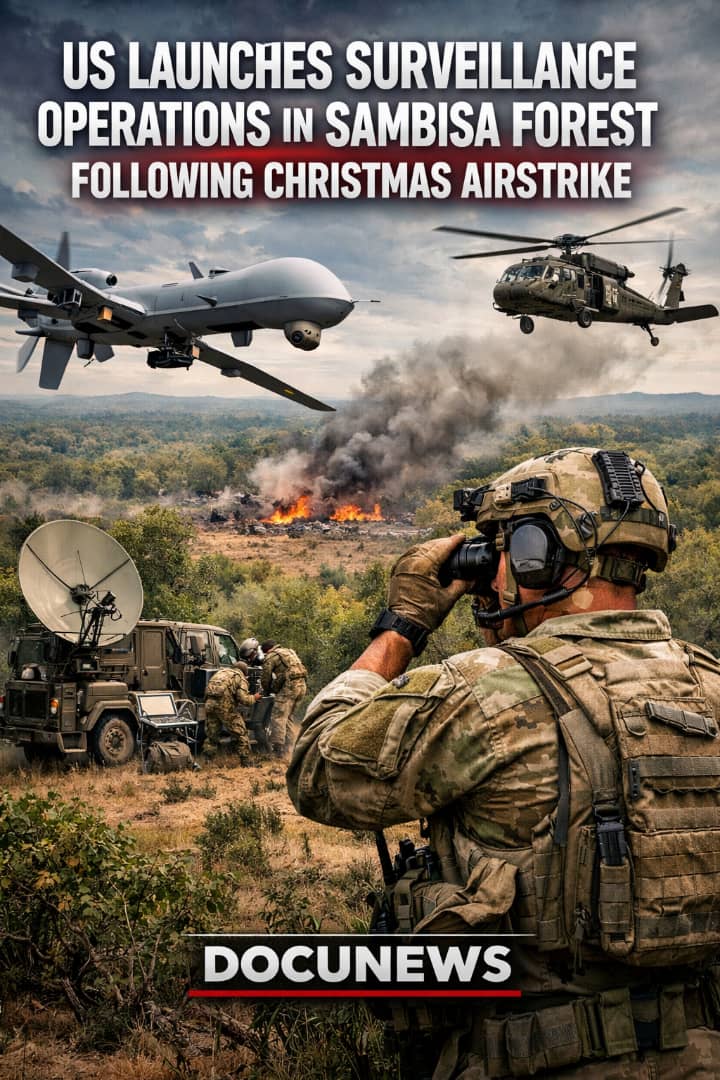
US Launches Surveillance Operations in Sambisa Forest. The United States has intensified its military attention in northern Nigeria, as the focus now shifts to the dense Sambisa Forest following the recent Christmas airstrike. This move marks a new phase in international efforts to monitor and counter insurgent activities within the region. US surveillance operations have begun in earnest, demonstrating a strategic approach that combines aerial reconnaissance, satellite imagery, and intelligence collaboration with Nigerian security forces.
The Christmas airstrike, which targeted key militant strongholds, highlighted the persistent threat that insurgents continue to pose across northeastern Nigeria. While the strike disrupted several armed groups, the need for continuous observation became evident. US Launches Surveillance Operations in Sambisa Forest Following Christmas Airstrike underscores the significance of sustained monitoring in areas long considered inaccessible due to geographical and security challenges. Read also Panic in Bauchi as Mysterious Helicopter Circles City Repeatedly at Night
Why Sambisa Forest Remains Critical
Sambisa Forest has long been recognized as a central hub for insurgent activities in Nigeria. Stretching over 60,000 hectares, the forest’s dense foliage and intricate terrain provide cover for militants, making traditional military intervention difficult. Analysts note that surveillance operations are essential to track movements, prevent regrouping, and anticipate attacks.
The US Launches Surveillance Operations in Sambisa Forest Following Christmas Airstrike initiative reflects an understanding that real-time intelligence is indispensable for effective counterinsurgency. US forces are reportedly deploying advanced drones, high-resolution satellite monitoring, and human intelligence networks to complement Nigerian military efforts. This multi-layered approach allows for continuous observation without exposing personnel to high-risk encounters. Also read Trump Reveals US Delayed Nigeria Strike to Make It a “Christmas Gift”
Technological Edge in the New Surveillance
Modern surveillance technology offers unmatched capabilities in intelligence gathering. Unmanned aerial vehicles (UAVs) are a central component of the operation, providing real-time aerial footage that enables analysts to detect unusual patterns and troop movements. Additionally, satellite imagery helps map the terrain and locate potential hideouts.
Electronic monitoring and signal interception further enhance the intelligence network. By tracking communications and identifying patterns, the US military can predict potential threats before they materialize. Experts note that these technologies, combined with ground-based observation, create a comprehensive intelligence framework, ensuring insurgent activities are closely monitored. You equally need to read this US Airstrikes in Sokoto Push Terrorists to Flee
Collaboration with Nigerian Forces
International cooperation plays a crucial role in counterterrorism strategies. The US is not operating in isolation; Nigerian military units are actively involved in coordinating efforts. Training programs, intelligence sharing, and joint missions have strengthened local capacities, ensuring that surveillance outcomes translate into actionable operations.
This collaboration reflects a broader commitment to regional security. By working closely with Nigerian forces, the US ensures that interventions respect national sovereignty while maximizing operational efficiency. Analysts believe that such partnerships are essential in combating insurgency effectively and sustaining long-term peace in the region.
Implications for Regional Security
The presence of US surveillance operations in Sambisa Forest has broader implications for regional security. Neighboring countries, particularly Chad, Cameroon, and Niger, are closely monitoring the developments. Militants often exploit porous borders to escape military pressure, so intelligence gathered in Sambisa could support cross-border operations.
Furthermore, the initiative signals to insurgent groups that international attention remains focused on northern Nigeria. Persistent monitoring and rapid response capabilities reduce the chances of militants regrouping or establishing new strongholds. This proactive approach aims to create a deterrent effect, limiting insurgent mobility and operational planning.
Challenges and Risks
Despite advanced technology, surveillance operations face challenges. The forest’s dense canopy can obscure aerial views, while unpredictable weather may limit UAV deployment. Additionally, militants are known to employ counter-surveillance tactics, including moving under cover of darkness or using decoy camps. Analysts emphasize the importance of adaptive strategies and constant technological updates to maintain operational effectiveness.
Security risks extend to local communities. There is always a delicate balance between surveillance activities and civilian safety. Misidentification or accidental strikes could cause humanitarian concerns. Therefore, precision and coordination with Nigerian authorities remain a top priority throughout the mission.
Historical Context of US Engagement in Nigeria
The United States has a long history of supporting Nigerian efforts against insurgency. Previous operations included intelligence sharing, targeted airstrikes, and capacity-building programs. However, the recent Christmas airstrike represents one of the most high-profile engagements in recent years, drawing attention from international media and regional stakeholders alike.
By expanding into continuous surveillance, the US reinforces its commitment to Nigeria’s stability. US Launches Surveillance Operations in Sambisa Forest Following Christmas Airstrike illustrates a shift from reactive strikes to proactive intelligence gathering, reflecting modern counterterrorism doctrine that prioritizes information superiority over brute force.
Impact on Militant Activities
Initial reports suggest that militant networks in Sambisa are becoming increasingly cautious. Surveillance operations hinder their ability to move freely, plan attacks, or resupply. Analysts predict that this sustained presence may force insurgents to abandon long-standing hideouts or fragment into smaller, less organized units.
By monitoring patterns and movements, intelligence officers can anticipate potential threats, enabling preemptive action by Nigerian forces. The combination of surveillance and rapid-response capabilities significantly enhances the effectiveness of counterinsurgency operations across the region.
Community Engagement and Awareness
Local communities remain a critical component in the success of surveillance operations. US and Nigerian forces are reportedly engaging with villages near Sambisa Forest to encourage information sharing and ensure civilian protection. Community awareness campaigns help build trust, reducing the likelihood of civilian interference and fostering cooperation in intelligence gathering.
This approach also addresses humanitarian concerns. By informing residents of operations and potential risks, authorities can minimize accidental harm and enhance the credibility of military efforts in the eyes of the public.
Looking Ahead: Strategic Outlook
Experts believe that the surveillance operations in Sambisa Forest represent a long-term commitment rather than a temporary intervention. Continuous monitoring, paired with adaptive military strategies, is expected to gradually reduce insurgent capabilities and secure northern Nigeria from recurrent attacks.
Furthermore, intelligence gathered will likely inform broader regional security initiatives, including cross-border counterterrorism coordination with neighboring states. The proactive nature of these operations ensures that potential threats are identified early, allowing for timely responses and minimizing civilian impact.
Conclusion
In conclusion, the US initiative in northern Nigeria signals a pivotal moment in counterinsurgency operations. US Launches Surveillance Operations in Sambisa Forest Following Christmas Airstrike highlights the importance of intelligence-led strategies, technological integration, and international cooperation in modern military operations. By prioritizing real-time monitoring, this approach aims to neutralize threats efficiently, protect civilians, and strengthen regional security.
The combination of advanced surveillance tools, collaboration with Nigerian forces, and community engagement underscores a holistic approach to combating insurgency. While challenges remain, the sustained presence of US operations in Sambisa Forest provides a critical advantage in addressing persistent militant threats and supporting Nigeria’s ongoing security efforts.
Ultimately, US Launches Surveillance Operations in Sambisa Forest Following Christmas Airstrike demonstrates a strategic shift toward intelligence-driven interventions, ensuring that future operations are informed, precise, and effective.
For further reading on security operations in Nigeria, you may explore Nigerian Government Security Updates and Council on Foreign Relations Global Conflict Tracker. These resources provide ongoing analysis of regional security dynamics and international interventions.
