
Health
Lassa Fever in Nigeria Hits 22% Fatality Rate 15 Healthcare Infected.

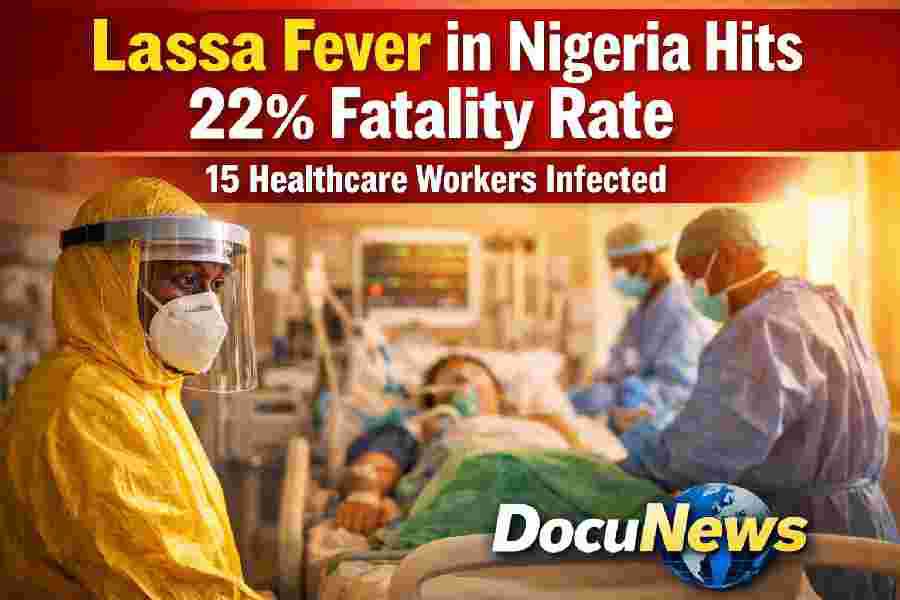
Lassa Fever is rising every day in Nigeria and it becoming alarming. and health sector needs to look into it for way forward because Lassa Fever in Nigeria Hits 22% Fatality Rate. 15 Healthcare Workers Infected. This headline reflects a serious public health emergency that continues to demand urgent national attention. The reported 22% fatality rate signals a troubling outcome for infected patients, while the confirmation that 15 healthcare workers are infected increases concern about frontline safety. Together, these figures highlight weaknesses in early detection, infection prevention, and emergency coordination across several regions of Nigeria.
As of 2026, health authorities continue monitoring the outbreak across multiple states in Nigeria. The disease affects both rural and urban communities. Hospitals remain under pressure because new cases require isolation, testing, and specialized care. Meanwhile, surveillance teams work to track transmission patterns and respond quickly to new alerts. Therefore, national coordination remains essential to reduce spread and protect vulnerable populations.
The situation also draws attention to gaps in preparedness at state level. Some facilities lack sufficient protective equipment. Others face limited laboratory capacity. Consequently, response time may slow down in certain areas. Stronger investment in training, resources, and rapid response systems can improve outcomes and lower mortality.
Understanding Lassa Fever in Nigeria
Lassa Fever is an acute viral illness that spreads mainly through contact with food or household items contaminated by infected rodents. In some cases, person-to-person transmission occurs, especially in healthcare settings. Because symptoms often begin gradually, patients may mistake early signs for malaria or common infections. Therefore, delays in seeking medical care can worsen complications.
Common symptoms include fever, weakness, headache, and muscle pain. In severe cases, bleeding, organ failure, and shock may develop. Early treatment significantly improves survival chances. However, when diagnosis occurs late, the risk of death increases. This pattern helps explain why the fatality rate has reached 22% in the current outbreak.
Public health experts emphasize hygiene and environmental control as key prevention measures. Safe food storage reduces rodent contamination. Proper waste disposal limits rodent populations. In addition, community education campaigns help residents understand transmission routes. When people recognize risks early, they adopt protective behavior more consistently.
Impact on Healthcare Workers
The infection of 15 healthcare workers highlights occupational exposure risks. Doctors, nurses, laboratory staff, and support personnel operate directly in contact with patients. Therefore, strict adherence to infection prevention protocols becomes critical.
When medical workers become infected, hospital capacity decreases. Other staff may need to quarantine, which temporarily reduces workforce strength. As a result, patient care may slow down. This situation creates additional pressure on remaining personnel and increases workload intensity.
Improving protective equipment supply remains a priority. Gloves, masks, gowns, and face shields help reduce exposure. Regular training sessions also reinforce safety practices. Furthermore, rapid reporting of suspected cases within hospitals allows immediate isolation and treatment.
Frontline safety directly influences outbreak control. When healthcare workers remain protected, health systems function more effectively. Consequently, investing in staff protection strengthens national response capacity.
State-Level Response and Coordination Gaps
The headline points to weaknesses in state response mechanisms. Effective outbreak control requires coordination between federal and state authorities. Clear communication channels ensure that data flows quickly between surveillance teams and decision-makers.
In some regions, limited funding slows response operations. Testing facilities may experience delays due to equipment shortages. As a result, confirmation of suspected cases may take longer than expected. Faster laboratory turnaround times improve containment efforts.
Additionally, community outreach programs require expansion. Public awareness campaigns help residents understand symptoms and prevention methods. When people receive accurate information, they respond promptly to health warnings.
Strengthening state-level emergency operations centers can enhance readiness. These centers coordinate logistics, resource allocation, and public messaging. Therefore, consistent investment in such systems will improve future outbreak management.
National Surveillance and Monitoring
Continuous surveillance remains essential in controlling Lassa Fever in Nigeria. Health agencies track case numbers, geographic spread, and recovery rates. Accurate data supports evidence-based decisions.
Rapid response teams investigate clusters of infection. They identify transmission sources and recommend containment strategies. Furthermore, contact tracing helps locate individuals who may have been exposed.
Data transparency builds public trust. When authorities publish regular updates, communities remain informed. Clear communication reduces rumors and misinformation.
Modern digital reporting systems can strengthen surveillance networks. Online dashboards allow real-time updates. Consequently, officials can respond faster to emerging threats.
Community Prevention Strategies
Prevention efforts must involve households and local leaders. Proper sanitation reduces rodent presence around homes. Storing food in sealed containers limits contamination. Regular cleaning of living areas also reduces risk.
Residents should seek medical attention immediately when symptoms appear. Early treatment improves survival outcomes. Delayed hospital visits often contribute to higher fatality rates.
Health education programs in schools, markets, and religious centers increase awareness. When communities understand how the virus spreads, they take practical steps to reduce exposure.
Economic and Social Implications
Outbreaks affect productivity. Sick individuals may miss work. Families may spend additional resources on treatment. These challenges create financial strain.
Hospitals also face increased operational costs. Testing supplies, protective equipment, and specialized care require funding. Therefore, government budget allocations for health emergencies play a critical role.
Despite these challenges, strong public health systems can limit economic disruption. Early detection and rapid containment reduce long-term costs.
International Support and Global Standards
Global health organizations provide technical guidance for managing viral outbreaks. For example, the World Health Organization offers protocols for infection control and case management.
National agencies also collaborate with international partners to strengthen laboratory capacity. The Centers for Disease Control and Prevention provides educational materials and training resources that support outbreak preparedness.
Within Nigeria, the Nigeria Centre for Disease Control and Prevention coordinates surveillance activities and emergency response efforts. Collaboration between these institutions enhances effectiveness.
Role of Media and Public Information
Reliable journalism supports transparency during health emergencies. Accurate reporting encourages responsible behavior and reduces panic.
DocuNews Central continues delivering verified updates on public health developments. Consistent coverage helps citizens stay informed and understand prevention measures.
Responsible media platforms also consult experts before publishing sensitive data. This approach ensures accuracy and credibility.
Strengthening Long-Term Preparedness
Improving healthcare infrastructure remains essential. Expanded laboratory networks shorten diagnosis time. Increased funding supports staff recruitment and training.
Furthermore, continuous professional development programs keep medical workers updated on best practices. Emergency drills prepare facilities for future outbreaks.
Community engagement initiatives also strengthen resilience. When citizens participate in prevention programs, disease spread decreases significantly.
DocuNews Central Opinion
DocuNews Central believes that the 22% fatality rate demands immediate action from all stakeholders. The infection of 15 healthcare workers demonstrates the urgent need for stronger protective measures.
We encourage policymakers to increase funding for surveillance systems and hospital equipment. We also recommend expanded awareness campaigns across all states. Coordinated action will reduce transmission and improve survival rates.
Through sustained commitment, Nigeria can strengthen its outbreak response capacity and protect both healthcare professionals and communities.
Conclusion
Lassa Fever in Nigeria Hits 22% Fatality Rate. 15 Healthcare Workers Infected. This development highlights a significant public health challenge that requires urgent and coordinated intervention. Stronger surveillance, improved infection control, community education, and reliable funding will reduce risks.
With collaboration between government agencies, healthcare institutions, international partners, and citizens, Nigeria can lower mortality rates and enhance emergency preparedness for future outbreaks.
