
World
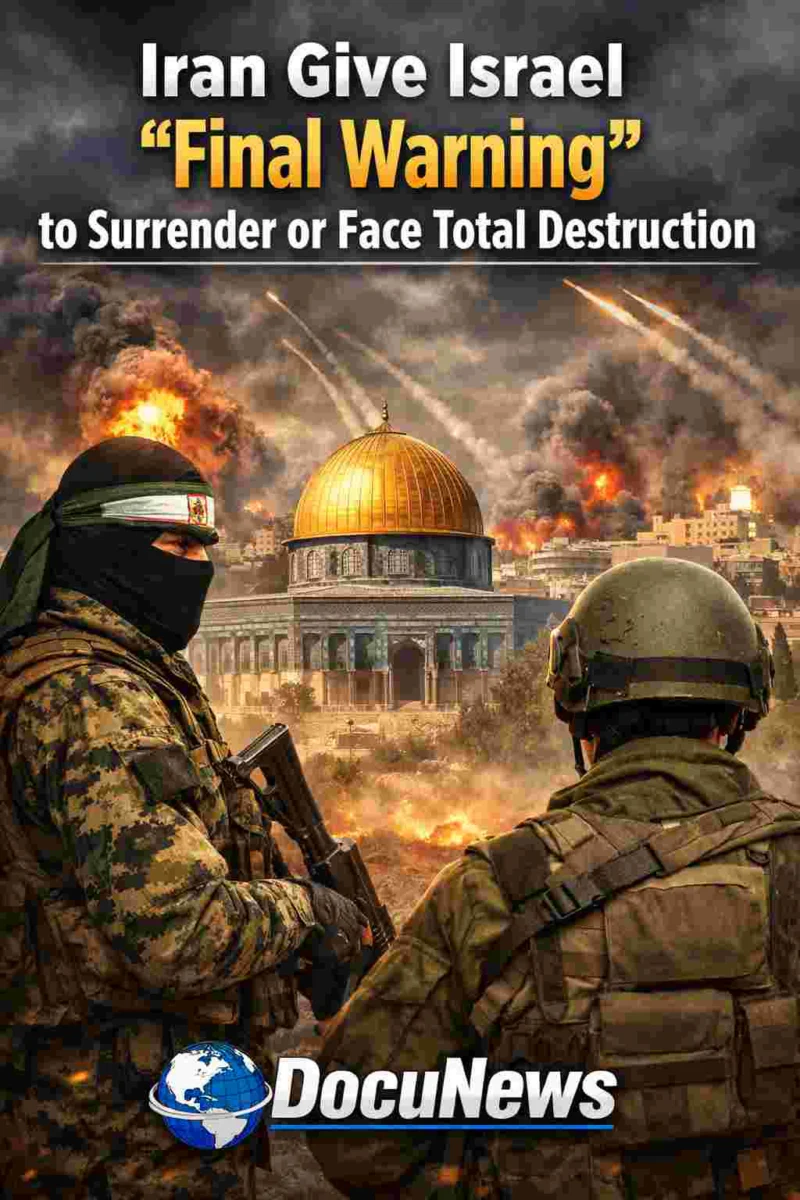
Iran Give Israel “Final Warning” to Surrender or Face Destruction

By Jonadab| DocuNews Central| Date: April 1 2026
Tensions in the Middle East have intensified after reports emerged that Iran issued a final warning to Israel. The warning reportedly demands surrender or warns of severe consequences. As a result, global attention has shifted sharply toward the region.
Meanwhile, diplomatic channels appear strained as regional actors respond cautiously. Several analysts note that such rhetoric could escalate an already fragile security environment. Consequently, fears of a broader conflict continue to grow among international observers.
On April 1, 2026, reports of the warning surfaced across multiple regional monitoring platforms, with developments linked to the broader Middle East security situation. The exact location tied to the escalation remains unclear, although activity has been associated with ongoing tensions involving Iran and Israel across the region. At the same time, officials have not publicly confirmed the ultimatum.
Rising Middle East Tensions Trigger Global Concern
As the situation unfolds, global leaders are closely monitoring developments. Governments across Europe, Asia, and North America have expressed concern over the potential for escalation. In addition, international organizations have called for restraint to prevent further instability.
Furthermore, security experts warn that heightened rhetoric often increases the risk of miscalculation. Even so, diplomatic engagement remains active behind the scenes. Therefore, several countries are urging both sides to avoid actions that could trigger open conflict.
At the same time, regional alliances are being tested. Neighboring countries are reviewing their security positions as tensions rise. Consequently, military readiness levels may be adjusted in response to evolving threats.
Also read Trump Warns Iran: Ceasefire or Energy Infrastructure Hit
Diplomatic Efforts Intensify Amid Escalation Fears
In response to the reports, diplomatic efforts have intensified across multiple fronts. Envoys from major powers are engaging in discussions aimed at de-escalation. Moreover, backchannel communications are reportedly being used to reduce tensions.
However, progress remains uncertain as both sides maintain firm positions. While some officials emphasize dialogue, others continue to highlight security concerns. As a result, negotiations face significant challenges.
International bodies such as the United Nations continue to advocate for peaceful resolution. For more information on global peacekeeping efforts, visit United Nations Official Website.
Military Readiness and Strategic Calculations
Meanwhile, military analysts are assessing the potential implications of the reported warning. Defense systems and strategic assets across the region are under increased observation. In addition, intelligence agencies are closely tracking developments.
Although no immediate military action has been confirmed, preparedness levels may shift rapidly. Therefore, experts caution that even minor incidents could escalate quickly. This situation highlights the fragile balance currently in place.
At the same time, global defense institutions are reviewing contingency plans. Additional insights into international security policies can be found at NATO Official Website.
Economic and Energy Market Implications
Beyond security concerns, the situation may also impact global markets. Energy prices often react quickly to instability in the Middle East. Consequently, investors are watching developments closely.
Oil supply routes remain a critical factor in global trade. Therefore, any disruption could influence pricing and availability. As tensions rise, market volatility may increase.
In addition, economic analysts warn that prolonged uncertainty could affect international trade. Financial institutions are already evaluating potential risks linked to the situation. Thus, global economic stability could face new pressures.
Regional Alliances and Strategic Shifts
As tensions escalate, regional alliances are under renewed scrutiny. Countries in the Middle East are reassessing their diplomatic and security strategies. At the same time, partnerships may shift depending on how events unfold.
Moreover, geopolitical dynamics continue to evolve rapidly. Some nations are strengthening ties, while others are maintaining cautious neutrality. Consequently, the regional balance of power remains uncertain.
Observers note that alliances could play a critical role in determining the outcome of any escalation. Therefore, diplomatic positioning remains a key factor in the current situation.
Calls for Restraint and De-escalation
Despite rising tensions, calls for restraint continue to grow louder. International leaders are urging both sides to prioritize dialogue over confrontation. In addition, peace advocacy groups are emphasizing the need for diplomatic solutions.
Furthermore, humanitarian concerns are gaining attention as the situation develops. Civilian populations could be affected if tensions escalate further. Therefore, efforts to prevent conflict remain a priority for many stakeholders.
As discussions continue, the global community remains focused on preventing escalation. For ongoing international crisis updates, visit International Committee of the Red Cross.
Uncertainty Persists as Situation Develops
While reports of the warning have raised concerns, confirmation from official sources remains limited. As a result, uncertainty continues to shape the narrative. Nevertheless, the situation is being closely monitored worldwide.
In the coming days, further developments are expected to clarify the situation. Governments and organizations will likely adjust their responses accordingly. Therefore, attention remains fixed on the Middle East.
Ultimately, the path forward depends on diplomatic engagement and strategic decisions. As tensions persist, the risk of escalation cannot be ignored. However, efforts toward de-escalation continue to offer a potential path to stability.
For More Updates Visit Israeli-Iran-U.S War
