
World
Iran Sends 600,000 Troops to Strait of Hormuz

By Jonadab | March 19, 2026 | DocuNews Central
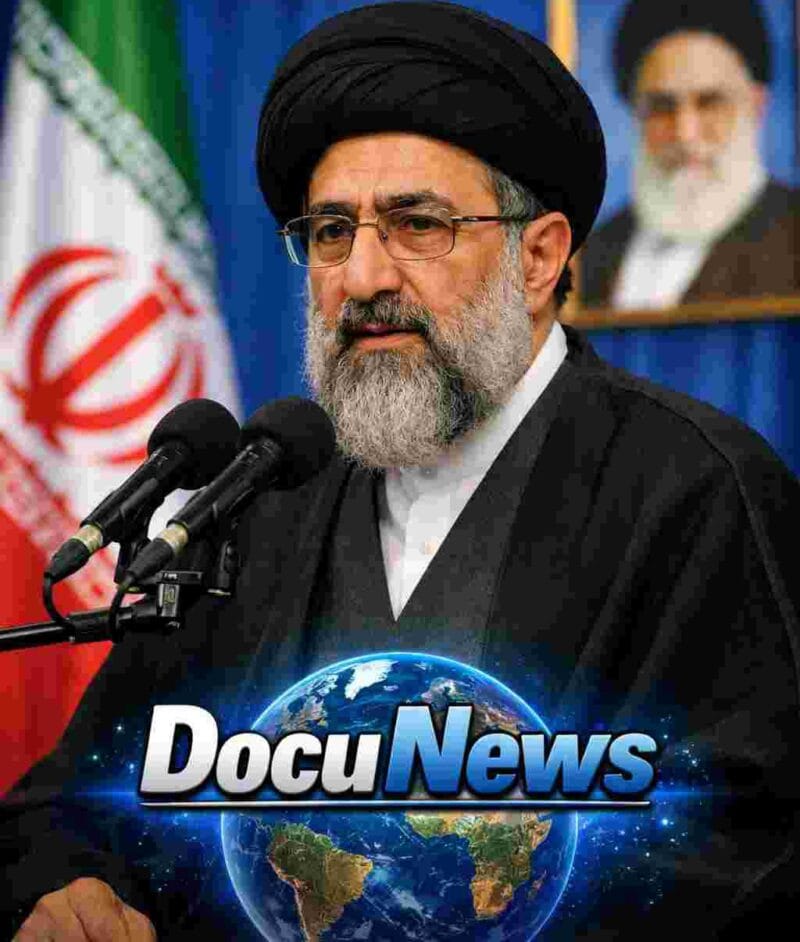
Iran has announced the movement of more than 600,000 troops toward the Strait of Hormuz, the country’s strategic maritime chokepoint, officials said Thursday. Iran’s new supreme leader confirmed the deployment, stating the troops are intended to “protect Iranian land and waters” amid heightened regional tensions. The announcement comes as conflict in the Middle East continues to disrupt shipping and global energy trade.
The Strait of Hormuz connects the Persian Gulf with the Gulf of Oman and facilitates roughly 20% of the world’s seaborne oil and liquefied natural gas shipments. The waterway has been a focal point of military and diplomatic activity since war between Iran and U.S.–Israeli forces began in late February 2026. (Wikipedia)
Massive Troop Movement Reported
Iranian state media and military sources said thousands of units from the Islamic Revolutionary Guard Corps (IRGC) and regular ground forces are being mobilized for deployment near the strategic waterway. The figure cited — more than 600,000 personnel — suggests a broad and sustained movement, though independent verification is pending.
Authorities emphasized the deployment is defensive and meant to secure Iran’s territorial integrity and maritime approaches. Analysts note that if confirmed, this would be one of the largest Iranian troop movements in years, raising questions about regional security dynamics.
Regional Conflict Escalates
The escalation relates to a broader regional conflict triggered when United States and Israeli forces struck Iranian territory in late February 2026, killing senior leaders and prompting retaliatory attacks across the Gulf. Shipping movements have fallen sharply, with traffic down by up to 90% compared with pre-war levels. (Reddit)
For weeks, Iran has asserted control over sections of the Strait of Hormuz and warned vessels against unauthorized transit. The United Nations and maritime organizations expressed concern about commercial navigation and safety.
Also read Iran 62nd Wave Hits US Bases in Shocking New Attack. P4
Global Economic and Security Impact
Disruptions in the Strait of Hormuz have affected global energy markets. Approximately one-fifth of all seaborne oil passes through this narrow waterway. Interruptions have contributed to higher crude prices and prompted some Gulf producers to consider alternative routes. (AP News)
The United States has considered reinforcing its military presence to protect allies and shipping lanes. Reuters reports that U.S. officials are evaluating options to deploy additional naval assets. (Reuters)
Other nations and international bodies have urged restraint and proposed naval escorts to ensure freedom of navigation, though some authorities caution that military patrols alone may not eliminate risks from escalating hostilities. (Financial Times)
Iran’s Official Position
Iranian leaders have framed their actions as defensive and lawful. Officials insist that securing maritime borders and energy infrastructure is a sovereign right, and they assure international observers that trade will resume when conditions are safe.
In early March, Iran’s U.N. envoy reiterated that Tehran does not intend to permanently close the Strait of Hormuz, emphasizing that freedom of navigation remains a priority under international law. (Reuters)
Potential International Responses
If verified, the troop deployment could prompt broader international responses. Regional governments, particularly the Gulf Cooperation Council (GCC), depend heavily on stable maritime access for trade. Multilateral security arrangements, including coordinated naval patrols, have been proposed to deter disruptions.
The United States and Europe are discussing measures to reassure markets and allies, ranging from diplomatic initiatives to economic incentives to reduce tensions and reopen transit routes. Russia and China, with strategic interests in Iran, will influence regional developments based on their diplomatic and economic decisions.
Outlook and Next Steps
Verification of the reported troop movement is pending. Satellite imagery and security monitoring are expected to provide clarity in the coming days. If confirmed, this would mark a major escalation in Iran’s military posture at a sensitive chokepoint.
Regional and global leaders are expected to continue discussions on security, energy stability, and diplomacy to prevent further disruption to trade, economic stability, and civilian safety.
Outbound Links:
- 2026 Strait of Hormuz crisis overview – Wikipedia
- US weighs troop deployment to region – Reuters
- Iran Gulf attacks and energy disruptions – CBS News
