
World
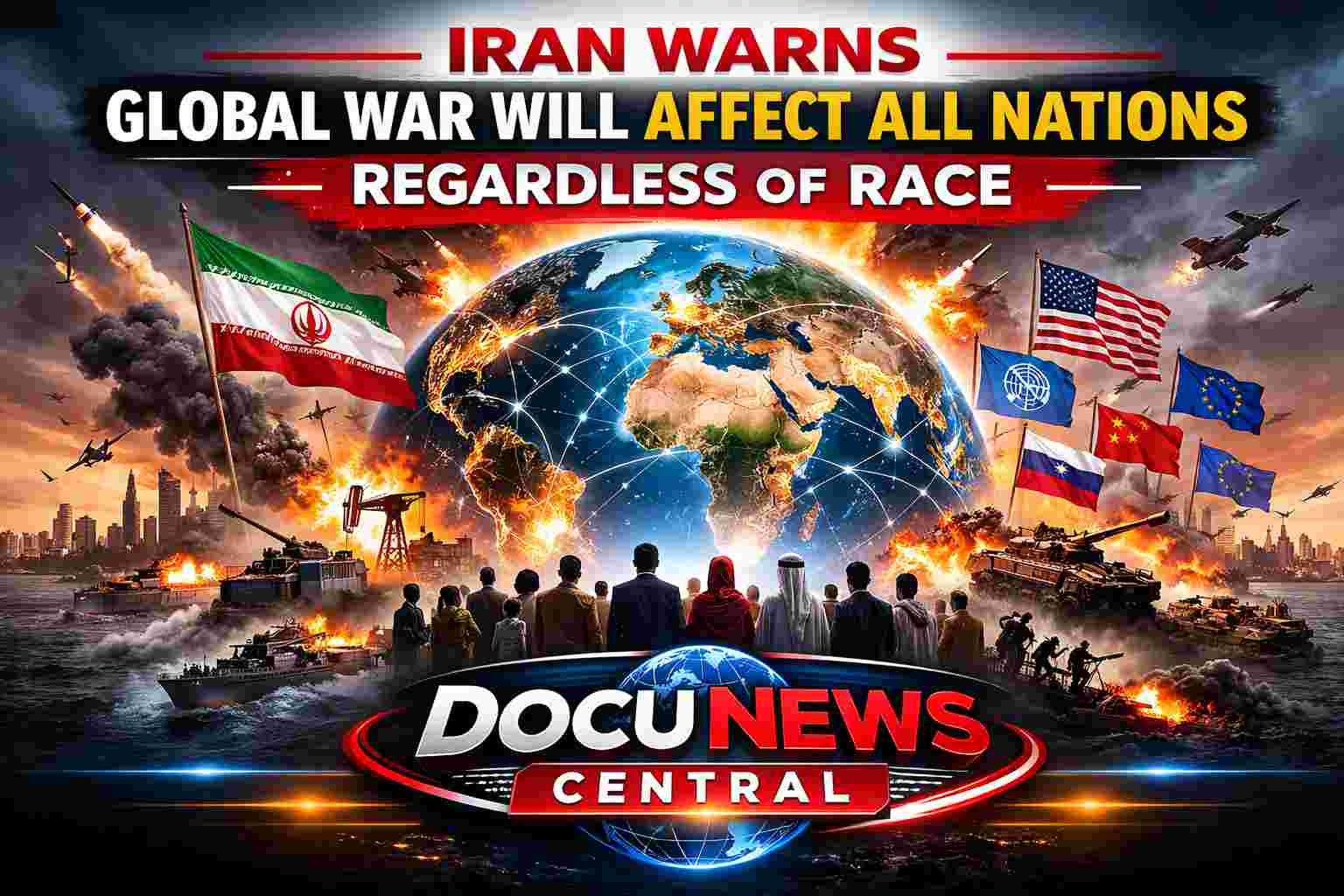
Iran Warns Global War Will Affect All Nations Regardless of Race

By Jonadab | March 18, 2026 | DocuNews Central
Iran has issued a strong warning that any large-scale war will affect all nations regardless of race or geography. Officials stressed that modern conflicts no longer remain limited to specific regions. Instead, global systems ensure that the impact spreads quickly across borders.
As tensions rise in the Middle East, Iranian authorities emphasized that no country can remain isolated. Therefore, economic, political, and security consequences would be felt worldwide. The warning highlights growing concerns over a potential escalation.
Rising Middle East Tensions Raise Global Concerns
Tensions in the Middle East have increased in recent weeks due to ongoing geopolitical disputes. Several nations have responded with heightened military readiness and diplomatic statements. As a result, fears of broader conflict continue to grow.
Iran’s latest statement comes amid these developments. Consequently, analysts believe the message targets both regional rivals and global powers. The statement also reflects concerns about a widening conflict beyond current hotspots.
Also read Tehran Explosions Signal Middle East War Escalation
Global Interdependence Amplifies War Impact
Modern economies remain deeply interconnected through trade, energy supply, and financial systems. Therefore, any major war would disrupt supply chains and global markets. Energy prices could rise sharply, while trade routes may face restrictions.
In addition, international institutions could struggle to manage the fallout. For example, organizations like the United Nations often intervene during crises. However, large-scale conflicts may overwhelm diplomatic efforts.
Security Risks Extend Beyond Conflict Zones
Military experts warn that advanced weapons and cyber capabilities increase the global reach of modern warfare. As a result, countries far from the battlefield could still face security threats. Cyberattacks, for instance, can target infrastructure worldwide.
Moreover, migration patterns could shift as people flee conflict areas. This would place additional pressure on neighboring regions and international systems. Therefore, the impact would extend well beyond immediate war zones.
Economic Consequences Could Be Widespread
Global markets often react quickly to geopolitical instability. Consequently, investors may withdraw funds, causing volatility in financial systems. Developing economies could face severe challenges due to reduced foreign investment.
Furthermore, disruptions in oil and gas supplies could affect both developed and developing nations. According to data from the World Bank, energy shocks often trigger inflation. As a result, everyday living costs may increase globally.
Diplomatic Efforts Continue Amid Rising Tensions
Despite rising concerns, diplomatic efforts remain ongoing. Several countries have called for restraint and dialogue to prevent escalation. In addition, international mediators continue to push for peaceful resolutions.
Iran’s warning, however, underscores the urgency of these efforts. Therefore, global leaders face increasing pressure to act quickly. Preventing conflict remains a priority for maintaining international stability.
Experts Call for Preventive Measures
Security analysts urge governments to strengthen diplomatic channels and crisis management systems. At the same time, they recommend increased cooperation among nations. This approach could help reduce misunderstandings and prevent escalation.
Additionally, experts highlight the importance of economic preparedness. Countries should build resilient systems to withstand potential shocks. As a result, they may better manage the effects of global instability.
Information and Communication Play Key Role
Accurate information remains critical during periods of tension. Governments and media organizations must ensure that verified updates reach the public. Therefore, misinformation can be minimized.
Reliable global platforms such as Reuters and BBC News continue to provide updates. These sources help audiences understand complex developments. Consequently, informed citizens can respond appropriately.
Global Leaders Urged to Act Responsibly
Iran’s statement adds to a growing list of warnings from international actors. Leaders across the world now face critical decisions. Their actions could either escalate tensions or promote stability.
Therefore, responsible leadership remains essential at this stage. Diplomatic engagement, clear communication, and strategic restraint could help prevent a wider crisis. The global community continues to monitor developments closely.
Conclusion: A Shared Global Risk
Iran’s warning reflects broader concerns about the nature of modern warfare. Today, conflicts rarely remain confined to one region. Instead, they create ripple effects that impact nations worldwide.
As tensions persist, the possibility of escalation remains a concern. Therefore, international cooperation becomes increasingly important. The coming weeks may prove critical in determining the direction of global stability.
For more Updates please Visit Israeli-Iran-U.S War
