
World
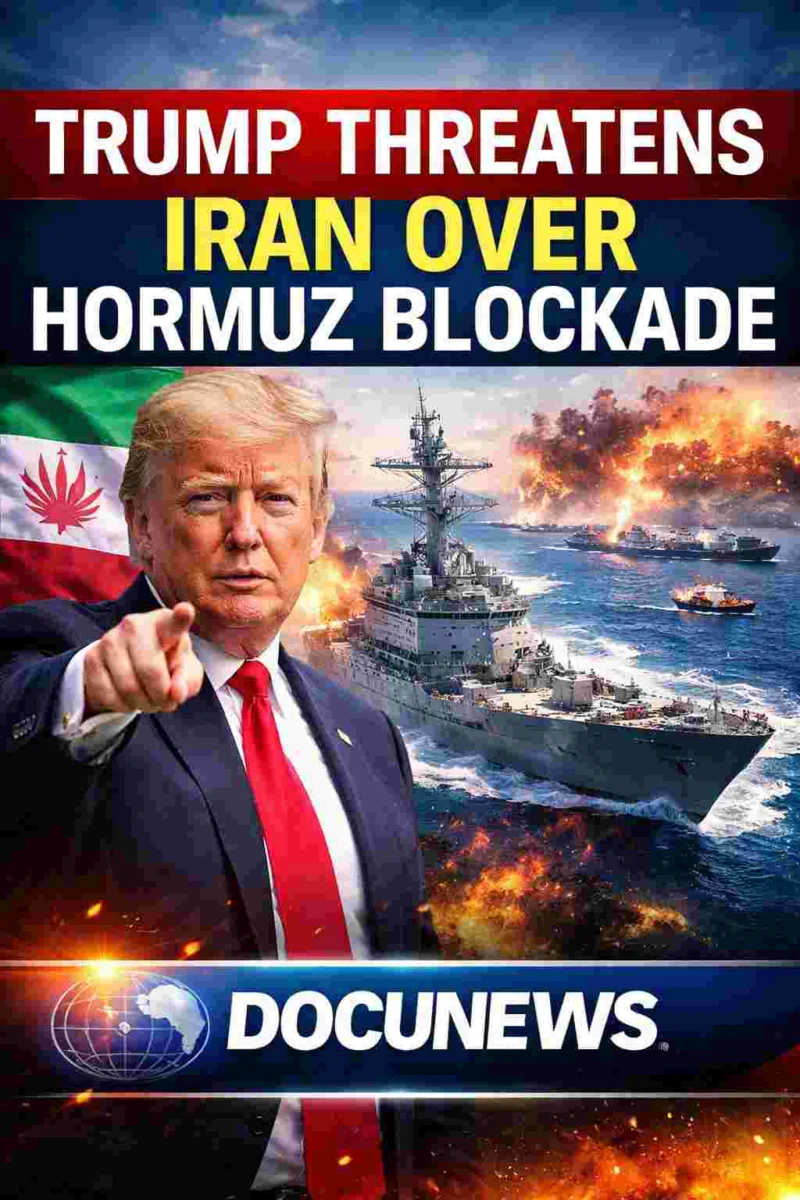
Trump Threatens Iran Over Hormuz Blockade. 48hrs Ultimatum

By Jonadab | March 23, 2026 | DocuNews Central
WASHINGTON — US President Donald Trump has issued a 48-hour ultimatum to Iran to reopen the Strait of Hormuz. The warning comes as tensions rise across the Middle East. Officials say the next steps could shape the direction of the conflict. Many people ask why Trump Threatens Iran Over Hormuz Blockade. And give 48hrs deadline.
The announcement followed a large-scale Iranian strike on Israel. The attack marked one of the most intense escalations in recent weeks. As a result, global attention has shifted to regional security and energy stability.
Trump Issues 48-Hour Deadline to Iran
Trump said Iran must reopen the key shipping route within 48 hours. Otherwise, the United States may target Iran’s energy infrastructure. The statement signals a possible expansion of military operations.
Earlier, Trump suggested he might reduce military involvement. However, recent developments have changed that position. Therefore, analysts now expect a firmer US response.
Officials said the administration is monitoring the situation closely. Meanwhile, diplomatic efforts continue behind the scenes. As a result, uncertainty remains high.
Strategic Importance of the Strait of Hormuz
The Strait of Hormuz is a critical global oil route. It connects the Persian Gulf to international markets. Therefore, any disruption affects worldwide energy supply.
Shipping traffic has slowed significantly in recent days. Some vessels have avoided the route entirely. As a result, concerns about supply disruptions have increased.
According to the International Energy Agency, nearly 20% of global oil passes through the strait. Because of this, any closure can impact global markets. In addition, shipping costs are rising.
Also Read Iran Fires Ballistic Missile at Central Israel, IDF Alerts.
Iran Launches Major Strike on Israel
Iran carried out a coordinated missile and drone attack on Israel. The strike caused damage in multiple areas. Emergency services responded quickly.
Israeli authorities confirmed casualties and infrastructure damage. However, full details have not been released. Meanwhile, security forces remain on high alert.
The Israeli government has promised a response. Therefore, further escalation is likely. In addition, regional tensions continue to grow.
US Military Presence Expands in the Region
The United States has increased its military presence in the Middle East. Thousands of Marines are being deployed. The move reflects growing concern about wider conflict.
Defense officials said the deployment aims to protect US interests and allies. At the same time, it allows rapid response if needed. Therefore, readiness levels have increased.
According to the US Department of Defense, forces are positioned strategically. This ensures flexibility in operations. As a result, multiple options remain available.
Global Reactions and Diplomatic Efforts
World leaders have called for restraint. Several countries urged both sides to de-escalate. However, tensions remain high.
The United Nations has scheduled emergency talks. Diplomats are working to prevent further conflict. Meanwhile, negotiations continue quietly.
Energy-dependent countries are closely watching developments. They fear disruptions could affect their economies. Therefore, contingency plans are being reviewed.
Oil Market Faces Uncertainty
Oil prices have become volatile. Traders are reacting to the ongoing crisis. As a result, markets remain sensitive.
Experts warn that prolonged disruption could push prices higher. This would affect transport and production costs globally. In addition, inflation risks could increase.
Financial institutions are issuing risk assessments. Many highlight the Strait of Hormuz as a key concern. Therefore, investor confidence may fluctuate.
Outlook for the Region
The next 48 hours are critical. Iran’s response will shape what happens next. Therefore, the risk of escalation remains.
Military and diplomatic efforts are ongoing. While talks continue, preparations for conflict are also increasing. As a result, uncertainty dominates the situation.
Observers stress the need for a quick resolution. However, tensions remain deep. Meanwhile, global markets and security remain closely linked to events in the region.
