
National
Umuahia North Leaders Appeal Bola Tinubu To Free Nnamdi Kanu

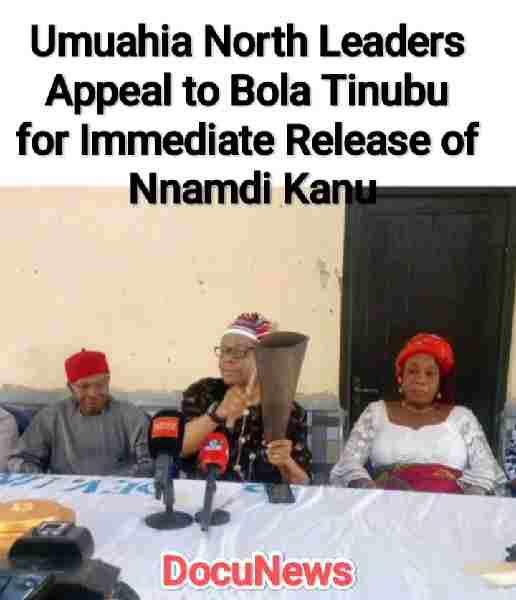
The growing demand for the Release of Nnamdi Kanu has once again taken center stage in national politics as stakeholders from Abia State intensify calls for federal intervention. Political observers, civic groups, and community leaders continue to debate the legal, constitutional, and security implications surrounding the detention of the IPOB leader. Across the Southeast, discussions about reconciliation, national unity, and executive responsibility have gained renewed urgency. Umuahia North Leaders Appeal to Bola Tinubu for Immediate Release of Nnamdi Kanu has now become the dominant headline shaping conversations in Abia State and beyond.
Leaders from Umuahia North Local Government Area have openly urged President Bola Tinubu to intervene and facilitate the freedom of their son, Nnamdi Kanu, arguing that dialogue and political engagement will strengthen peace and stability. The appeal reflects deep emotional, cultural, and political sentiments rooted in Afaraukwu, Kanu’s ancestral home.
According to DocuNews Central, the renewed plea emerged from Afaraukwu in Umuahia North LGA of Abia State, Southeast Nigeria. Community elders, youth representatives, women leaders, clergy members, and opinion shapers gathered to express their collective position. Consequently, the appeal now carries broader regional significance. Many residents believe that constructive engagement from the Presidency could calm tensions and rebuild trust between the Southeast and the Federal Government.
For years, the case of Nnamdi Kanu has shaped national debate. However, this latest development signals a shift in tone. Rather than focusing on confrontation, leaders now emphasize reconciliation. Therefore, observers describe the appeal as both strategic and symbolic.
Read Also Igbo Community Leaders Visit Nnamdi Kanu in Sokoto Prison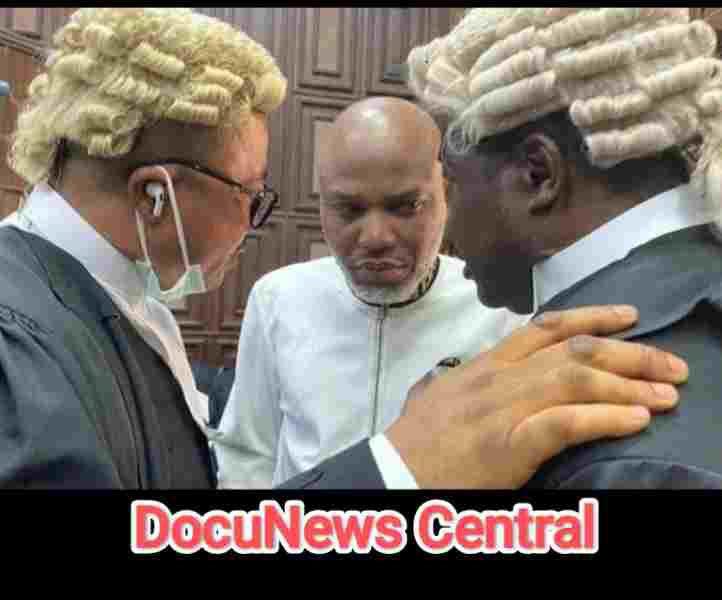
Background to the Nnamdi Kanu Legal Battle
The legal journey of Nnamdi Kanu remains one of the most closely followed cases in Nigeria. His initial arrest in 2015 on charges related to treasonable felony generated widespread reactions. Court proceedings followed, and public interest increased significantly across regions. Although the matter moved through various legal stages, it continued to spark debate.
In 2021, Kanu returned to Nigeria under circumstances that triggered intense national and international attention. Since then, hearings have continued at the Federal High Court. Official information regarding federal judicial procedures can be accessed through the Federal High Court of Nigeria. Nevertheless, legal proceedings alone have not ended public advocacy for political resolution.
Importantly, Umuahia North leaders insist that their appeal does not undermine the judiciary. Instead, they argue that executive dialogue can complement court processes. Therefore, they encourage President Bola Tinubu to explore lawful options within his constitutional powers.
Why Umuahia North Leaders Are Urging Presidential Intervention
Community stakeholders believe that prolonged detention has heightened anxiety within the Southeast. Consequently, they view federal engagement as a pathway toward restoring confidence. They argue that national unity requires listening to regional concerns and responding thoughtfully.
Furthermore, leaders emphasize peaceful advocacy. They have consistently advised youths against violence. In addition, they maintain that respectful dialogue strengthens democracy rather than weakens it. Therefore, their message centers on reconciliation and stability.
They also reference past political disputes in Nigeria that were resolved through negotiation. According to them, dialogue often produces lasting outcomes when handled transparently. As a result, they encourage the Presidency to consider options that align with justice and unity.
President Bola Tinubu’s Constitutional Authority
As Commander-in-Chief of the Armed Forces, President Bola Tinubu carries constitutional responsibilities that include safeguarding national cohesion. Therefore, Umuahia North leaders believe he possesses both moral and legal authority to engage stakeholders constructively.
The Presidency communicates policies and executive decisions through official channels such as the State House of Nigeria. Observers now watch closely for any indication of dialogue between federal authorities and Southeast representatives.
Moreover, political analysts argue that proactive leadership can reduce distrust. They stress that reconciliation enhances governance credibility. Consequently, they see this moment as an opportunity for bridge-building.
You may have missed this Inmates Reveal How Nnamdi Kanu Affected Life in Sokoto Prison
Community Perspective from Afaraukwu
Afaraukwu remains emotionally connected to the issue. Residents describe Nnamdi Kanu as more than a political figure. They see him as a son of the soil whose situation affects local morale. Therefore, the appeal carries cultural depth.
Town hall meetings in Umuahia North frequently highlight unity. Youth leaders continue to promote calm engagement. At the same time, elders call for patience while awaiting federal response. Consequently, community discussions increasingly revolve around constructive advocacy.
Traditional leaders also stress Igbo values of consensus and dialogue. They argue that conversation builds understanding and reduces suspicion. Therefore, they encourage sustained engagement rather than hostility.
Political Implications Across the Southeast
The renewed appeal has triggered fresh political debate across the Southeast. Regional lawmakers, civil society actors, and party leaders now assess possible outcomes. While some insist on strict adherence to court decisions, others advocate complementary political measures.
The National Assembly of Nigeria outlines legislative roles and constitutional frameworks that guide governance. Consequently, analysts emphasize collaboration between arms of government when addressing sensitive matters.
Importantly, the appeal extends beyond Abia State. It influences national discourse on federalism, constitutional balance, and inclusivity. Therefore, its impact reaches far beyond Umuahia North.
Youth Voices and Civic Responsibility
Youths in Abia State express strong but diverse opinions. However, most emphasize lawful expression of grievances. Community organizations encourage civic literacy to prevent misinformation. Consequently, dialogue forums have increased across the region.
Reliable updates from credible sources such as the News Agency of Nigeria help maintain balanced reporting. Furthermore, youth leaders highlight economic implications of instability. They argue that peace supports job creation and investment.
Therefore, reconciliation appears not only as a political objective but also as an economic necessity.
Security and Economic Stability
Security experts frequently link political calm with economic development. Investors often evaluate regional stability before committing resources. Consequently, some analysts believe that resolving the Nnamdi Kanu issue could improve business confidence in the Southeast.
Entrepreneurs emphasize the importance of stable environments for trade and innovation. Institutions like the National Information Technology Development Agency promote digital initiatives that thrive under peaceful conditions.
Therefore, economic arguments now reinforce political advocacy. Stability benefits communities, businesses, and national growth.
National Unity and the Path Forward
The appeal reignites national conversations about unity. Faith leaders and civic groups advocate forgiveness, understanding, and inclusive governance. Consequently, they encourage structured engagement between the Presidency and Southeast representatives.
Legal experts remind stakeholders that constitutional alignment remains essential. Nigeria’s supreme legal framework can be reviewed through the Constitution of the Federal Republic of Nigeria. Transparency, they argue, builds public trust.
Ultimately, dialogue and constitutional responsibility must work together. Therefore, balanced leadership remains crucial.
DocuNews Central Opinion
At DocuNews Central, we observe that the call by Umuahia North Leaders reflects a wider national desire for reconciliation. Constructive engagement offers an opportunity to reduce tension while strengthening democratic values. Leadership requires courage, especially when addressing sensitive matters.
We believe that open communication between federal authorities and Southeast stakeholders could promote healing. Respect for the judiciary should continue. However, inclusive dialogue can complement legal processes and foster national unity.
For more political analysis and regional updates, visit DocuNews Central.
Conclusion
The appeal by Umuahia North Leaders urging President Bola Tinubu to secure the Immediate Release of Nnamdi Kanu marks a significant chapter in Nigeria’s political journey. It reflects community identity, constitutional debate, and aspirations for unity.
As discussions continue, Nigerians across regions hope for peaceful and lawful outcomes. Whether through judicial resolution or executive engagement, the decision will shape political discourse in the months ahead. Ultimately, dialogue, respect for institutions, and commitment to national cohesion will determine the path forward.
For more details of Nnamdi Kanu case, Visit SOCIAL ISSUES & PROTEST
