
Israeli-Iran-U.S War
Iran Fires Cluster Bombs at Israeli Civilians

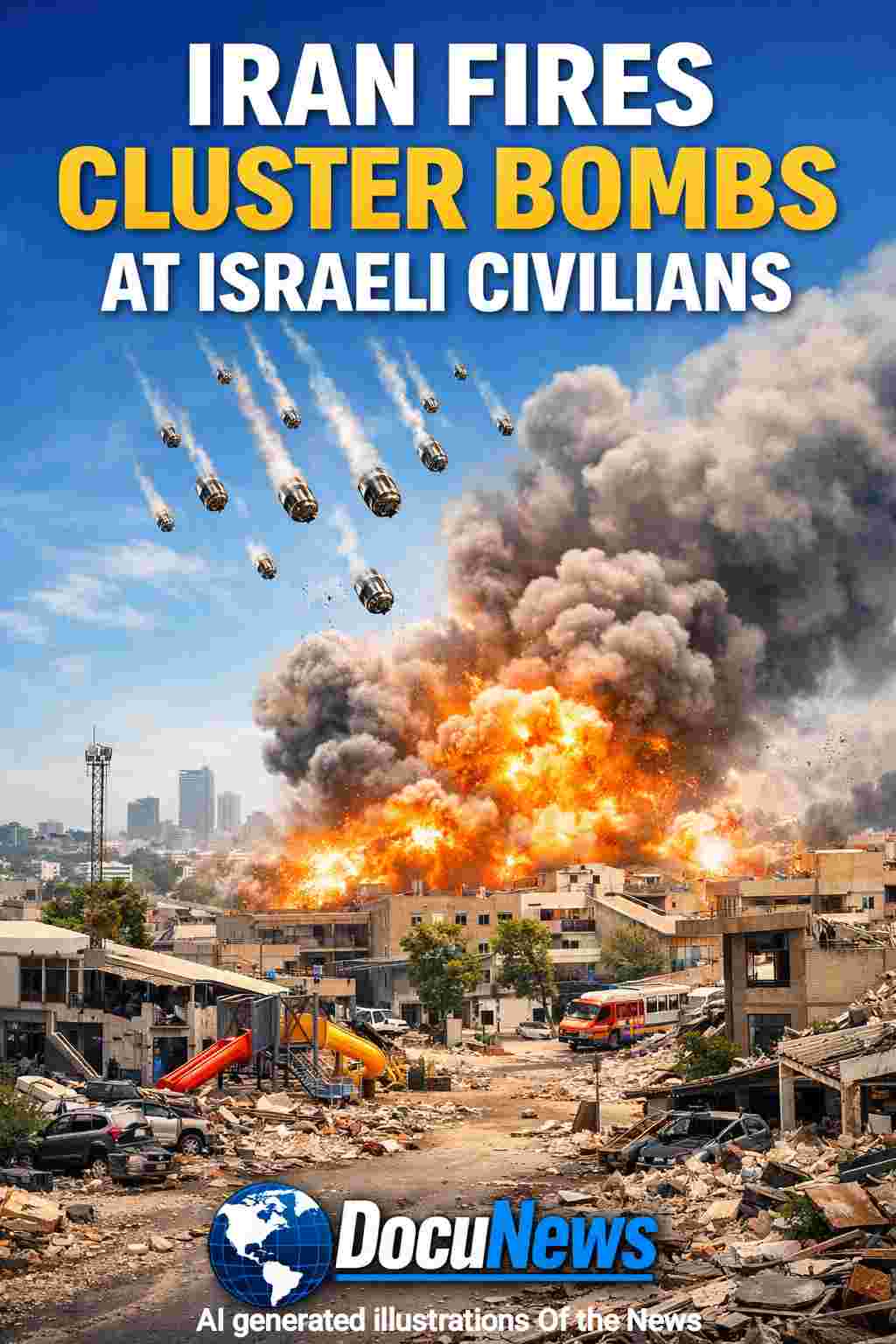
The latest reports indicate that Iranian forces launched cluster munitions toward populated areas in Israel, raising global concern about civilian safety and the escalation of regional tensions. Security officials and analysts warn that the situation could deepen instability across the region as the Iran–Israel conflict intensifies. According to multiple military briefings, the phrase Iran Fires Cluster Bombs at Israeli Civilians now reflects a serious accusation that could influence international diplomacy and security policies.
According to DocuNews Central, On March 11, 2026. Israeli defense authorities reported that several projectiles believed to contain cluster munitions were launched from Iranian-controlled systems during overnight attacks. Air defense systems intercepted some of the incoming weapons. However, fragments reportedly fell in several populated districts. Emergency services responded quickly, while residents rushed into shelters as sirens sounded across major cities.
Officials stated that the alleged use of cluster munitions could mark a dangerous shift in tactics. These weapons scatter smaller explosives across wide areas. As a result, they pose a high risk to civilians, especially in dense urban environments. International observers immediately began reviewing the claims. Meanwhile, the broader Middle East conflict continues to draw global attention.
Escalation in the Iran–Israel Conflict
The confrontation between Iran and Israel has intensified over recent months. Missile strikes, cyberattacks, and proxy confrontations have created a volatile security environment. Consequently, each new incident adds pressure to an already fragile regional balance.
Analysts say the alleged cluster bomb attack signals a new phase in the Iran Israel war escalation. Military planners believe that the use of such weapons increases psychological pressure on civilian populations. Moreover, it raises the stakes for governments trying to prevent wider war.
Regional governments are now monitoring developments closely. Neighboring states fear that additional military exchanges could spill beyond the current battleground. Therefore, diplomatic channels have become increasingly active.
What Are Cluster Bombs?
Cluster bombs are weapons designed to disperse many smaller submunitions over a large area. When the main container opens in midair, dozens or even hundreds of smaller explosives spread across the target zone. This design allows the weapon to affect wide sections of land.
However, the same feature also creates serious humanitarian concerns. Many submunitions fail to explode immediately. Instead, they remain on the ground as dangerous remnants. Later contact by civilians can trigger deadly explosions.
Because of these risks, international campaigns have pushed for restrictions on cluster munitions. Several countries signed treaties banning them. Nevertheless, some military powers still maintain stockpiles.
Israel’s Response to the Alleged Attack
Israeli defense officials reacted quickly after reports of the strike surfaced. Air defense units activated interception systems. At the same time, emergency responders moved into affected neighborhoods to secure unexploded fragments.
Military spokespersons argued that the attack targeted civilian areas. Consequently, the government described the alleged action as a severe violation of humanitarian norms. Security leaders promised that Israel would respond if necessary.
Furthermore, defense analysts expect increased military readiness in the coming days. Israel already maintains a layered missile defense network. Still, authorities continue strengthening protective systems across major cities.
Also read Israel Attack on North Korea Embassy Raises War Fears
International Reaction and Diplomatic Pressure
The allegations immediately sparked reactions from global leaders. Several governments called for verification of the reports. Others urged restraint while investigations continue.
Human rights organizations expressed deep concern about the potential use of cluster munitions in populated regions. These groups emphasized the long-term danger posed by unexploded bomblets.
Meanwhile, diplomats from various countries began discussing the situation at international forums. They stressed the importance of preventing a wider regional conflict.
Readers seeking detailed background on cluster munition treaties can review information provided by the International Committee of the Red Cross. Additionally, broader analysis of global arms regulations is available through the United Nations Office for Disarmament Affairs.
Impact on Civilians
Reports from emergency services indicate that civilians faced intense fear during the attack alerts. Families quickly entered shelters as warning sirens echoed through residential districts. Schools and public institutions activated emergency protocols.
Although interception systems prevented many projectiles from reaching the ground intact, fragments still caused damage in some locations. Medical teams treated individuals for injuries linked to falling debris and shock.
Community leaders urged residents to remain cautious. They also warned citizens not to approach unidentified objects. Explosive experts continue searching affected zones for unexploded fragments.
Humanitarian Concerns
The humanitarian implications of cluster weapons remain a central issue. These munitions do not discriminate between soldiers and civilians. Once scattered, submunitions spread unpredictably across neighborhoods.
As a result, long-term hazards often remain even after hostilities end. In several countries previously affected by cluster bombs, unexploded remnants continued causing casualties for years.
Humanitarian agencies frequently conduct clearance programs in former conflict zones. Their work demonstrates how difficult it can be to remove scattered explosives. Consequently, international groups strongly advocate for limiting their use.
Military Analysis of the Strike
Military analysts are examining satellite images, radar data, and interception records. These sources help determine the type of weapon used during the attack. Experts say that confirmation requires careful forensic analysis.
Defense specialists note that cluster munitions often produce distinctive impact patterns. Multiple small craters usually appear across wide sections of land. Investigators search for these signs when verifying claims.
Meanwhile, intelligence agencies continue collecting information from various sensors and surveillance systems. Their findings may shape future diplomatic responses.
Regional Security Implications
The broader Middle East security environment remains fragile. Iran and Israel already compete for influence across several theaters. Syria, Lebanon, and Iraq frequently appear in strategic calculations.
If tensions continue rising, neighboring countries could feel the impact. Energy markets, shipping routes, and international trade networks might also face disruptions.
Therefore, many governments prefer de-escalation. They believe that diplomacy remains the best path to reduce risks.
Role of International Law
International humanitarian law aims to limit suffering during armed conflict. Weapons that create widespread danger for civilians often face heavy scrutiny under these rules.
The Convention on Cluster Munitions represents one such effort. This treaty prohibits the use, production, and transfer of cluster bombs among its member states. However, not every country has joined the agreement.
Legal experts say accusations involving these weapons usually trigger global investigations. Independent organizations frequently collect evidence to determine whether violations occurred.
Information Warfare and Media Coverage
Modern conflicts involve more than traditional combat. Information campaigns also play a significant role. Governments and media outlets compete to shape international perception.
Consequently, accurate reporting becomes extremely important. Independent verification helps ensure that global audiences receive reliable information.
Readers who follow ongoing developments in global security frequently rely on trusted news platforms. Coverage of the Iran Israel conflict continues evolving as new details emerge.
Public Reaction in Israel
Israeli communities responded with a mixture of anxiety and determination. Residents have experienced periodic rocket alerts in the past. Nevertheless, reports involving cluster munitions generated new levels of concern.
Community organizations provided support to affected neighborhoods. Volunteers delivered supplies to shelters and helped families cope with stress.
Local authorities emphasized preparedness. They encouraged residents to follow emergency guidance and remain alert to official updates.
Strategic Outlook
Security analysts believe the coming weeks will prove critical. Diplomatic engagement could calm tensions. Conversely, further military exchanges might intensify the crisis.
Governments across Europe, Asia, and North America continue monitoring developments closely. Several officials urged both sides to avoid actions that could widen the conflict.
Meanwhile, international observers await additional evidence regarding the alleged cluster bomb attack.
DocuNews Central Opinion
From the perspective of DocuNews Central, the allegations surrounding cluster munitions highlight the urgent need for transparency and restraint. Conflicts involving advanced weapons always carry severe consequences for civilians.
Therefore, responsible leadership and careful diplomacy remain essential. The international community must prioritize civilian protection. Independent investigations also help clarify facts during rapidly evolving situations.
Ultimately, global stability depends on dialogue and adherence to humanitarian principles.
Frequently Asked Questions
What are cluster bombs?
Cluster bombs are weapons that release numerous smaller explosives across a wide area. Each small device can detonate on impact. However, some remain unexploded and pose long-term dangers.
Why are cluster bombs controversial?
These weapons scatter explosives across large zones. As a result, civilians may encounter unexploded bomblets long after an attack ends. This risk created strong international criticism.
Has the use of cluster bombs been banned?
Many countries signed the Convention on Cluster Munitions. The treaty bans their use, production, and transfer among member states. Nevertheless, not every nation joined the agreement.
How does Israel defend against missile attacks?
Israel operates a layered missile defense network. Systems detect incoming projectiles and attempt interceptions before impact. These defenses protect many populated areas.
What could happen next in the Iran-Israel conflict?
Several outcomes remain possible. Diplomatic talks might reduce tensions. However, additional military exchanges could escalate the crisis further.
Conclusion
The report that Iran Fires Cluster Bombs at Israeli Civilians has intensified global attention on the already volatile Middle East conflict. Allegations involving cluster munitions raise serious humanitarian and legal questions. Governments, analysts, and humanitarian organizations continue examining available evidence.
While investigations proceed, diplomatic efforts remain crucial. Reducing tensions can help protect civilians and preserve regional stability. Ultimately, international cooperation and responsible leadership will shape the next phase of this unfolding crisis.
Disclaimer: This report is based on currently available information from official statements, analysts, and international observers. Details may change as further verification and investigations occur. The article is intended for informational and journalistic purposes only.
For more information please visit Israeli-Iran-U.S War