
World
Iranian Warship Sunk by U.S. Submarine, 140 Personnel Missing

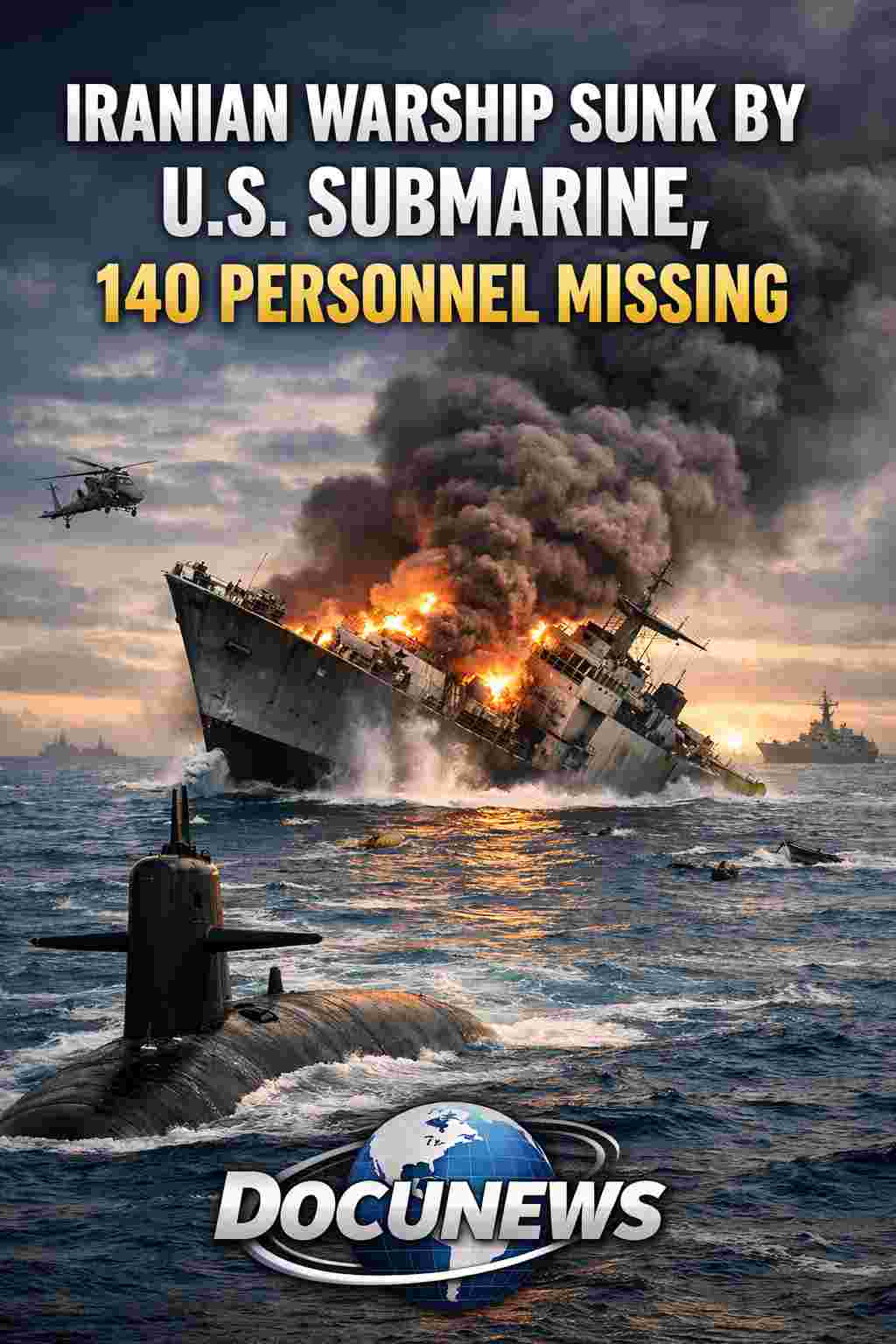
Global security analysts are closely monitoring developments after reports confirmed that an Iranian naval vessel sank following a submarine engagement in international waters, a situation that has rapidly intensified diplomatic tensions and heightened concerns about maritime stability across the region. Iranian Warship Sunk by U.S. Submarine, 140 Personnel Missing now stands at the center of international discussion as governments evaluate operational details, verify casualty figures, and assess potential strategic consequences in the Indian Ocean corridor.
The incident reportedly occurred on March 4, 2026, in the northern sector of the Indian Ocean, according to preliminary maritime monitoring reports. Defense sources indicate that the submarine involved operates under the United States Navy, while the vessel belonged to Iran’s naval forces. Authorities from both nations have acknowledged increased tensions, yet they have not released detailed public confirmation of tactical sequences pending internal review.
Immediate Military Response and Search Operations
Search and rescue efforts began shortly after communication with the vessel was lost. Naval units in the vicinity were redirected to the reported coordinates. Air surveillance expanded to establish a broader search perimeter. Coordination centers activated emergency response protocols to track debris movement and possible survivor locations.
Rescue teams deployed divers and prepared medical facilities along nearby coastal installations. Maritime authorities emphasized that operations would continue until all available evidence was examined. Despite rapid mobilization, 140 personnel remain officially listed as missing while verification procedures continue.
Ocean conditions in the region present operational challenges. Currents shift unpredictably. Visibility fluctuates depending on weather patterns. Therefore, responders rely heavily on satellite tracking systems, sonar monitoring, and coordinated surface patrol grids to maximize coverage.
International maritime search standards are outlined by the International Maritime Organization:
https://www.imo.org
Strategic Importance of the Indian Ocean
The Indian Ocean functions as one of the world’s most critical maritime corridors. It connects major energy producers in the Middle East with global markets in Asia, Europe, and Africa. Consequently, naval stability within this region directly influences international trade flows and energy pricing structures.
Because shipping lanes cross sensitive geopolitical zones, multiple nations maintain patrol presence in the area. These operations aim to safeguard commerce, monitor traffic, and reduce the risk of miscalculation between naval forces.
For broader geopolitical context, see the Council on Foreign Relations:
https://www.cfr.org
Naval Capabilities and Submarine Warfare
Submarine warfare remains one of the most technically advanced aspects of modern military operations. Submarines operate with stealth capabilities designed to minimize detection. They utilize acoustic dampening systems and advanced sonar technology.
Unlike surface vessels, submarines conduct missions below direct visual confirmation. Reaction times decrease significantly during underwater confrontations. Military analysts note that submarine deployments often form part of broader deterrence strategies intended to demonstrate readiness and strategic reach.
For analysis on naval modernization trends, visit the Center for Strategic and International Studies:
https://www.csis.org
Diplomatic Reactions
Diplomatic responses followed within hours of the initial reports. Iranian officials described the incident as a serious escalation and called for accountability. United States representatives emphasized maritime security priorities while refraining from detailed operational confirmation.
International organizations urged restraint and encouraged dialogue between the involved parties. Because naval incidents can escalate quickly, diplomatic engagement remains critical during crisis management.
Economic and Market Impact
Financial markets responded with short-term volatility after the news emerged. Oil prices fluctuated during early trading sessions as investors evaluated potential disruptions to maritime supply routes. Shipping insurers reassessed risk exposure for vessels transiting nearby corridors.
Although markets stabilized later, analysts continue monitoring developments closely. Global trade depends heavily on uninterrupted maritime access. Therefore, prolonged instability could influence transportation costs and commodity prices.
Regional Security Adjustments
Neighboring states have adjusted surveillance protocols in response to the incident. Naval patrol schedules shifted to maintain awareness. Air reconnaissance expanded monitoring coverage. Defense ministries reviewed operational readiness levels.
Heightened alert status can strengthen deterrence; however, it also requires disciplined communication to avoid misunderstanding. Regional cooperation frameworks remain essential in preventing accidental escalation.
DocuNews Central Coverage
DocuNews Central continues monitoring verified developments from official sources, maritime authorities, and international security analysts. Our editorial approach prioritizes factual clarity, structured reporting, and responsible coverage.
DocuNews Central Opinion
DocuNews Central believes this development highlights the importance of sustained diplomatic communication and measured strategic response. While nations maintain sovereign rights to protect maritime interests, escalation at sea can produce unintended regional consequences.
Continued dialogue, transparency, and operational restraint remain essential. Stability in major sea lanes benefits global commerce, energy security, and international cooperation.
Conclusion
The reported sinking of an Iranian warship following a submarine engagement in the Indian Ocean represents a significant geopolitical development with humanitarian, diplomatic, and economic implications. With 140 personnel reported missing, search operations and verification efforts remain ongoing.
Because the Indian Ocean serves as a critical global trade corridor, stability in this region holds international importance. Governments, markets, and maritime authorities will continue monitoring developments closely as investigations proceed.
News Disclaimer
This article is based on currently available information from official statements, maritime monitoring sources, and international security analysis. Details may change as investigations continue and additional confirmations are released. DocuNews Central remains committed to factual accuracy, responsible journalism, and timely updates as verified information becomes available.
For More Updates Visit Israeli-Iran-U.S War
