
World
Iran’s New Leader Arafa Says Negotiations With Trump Are Over

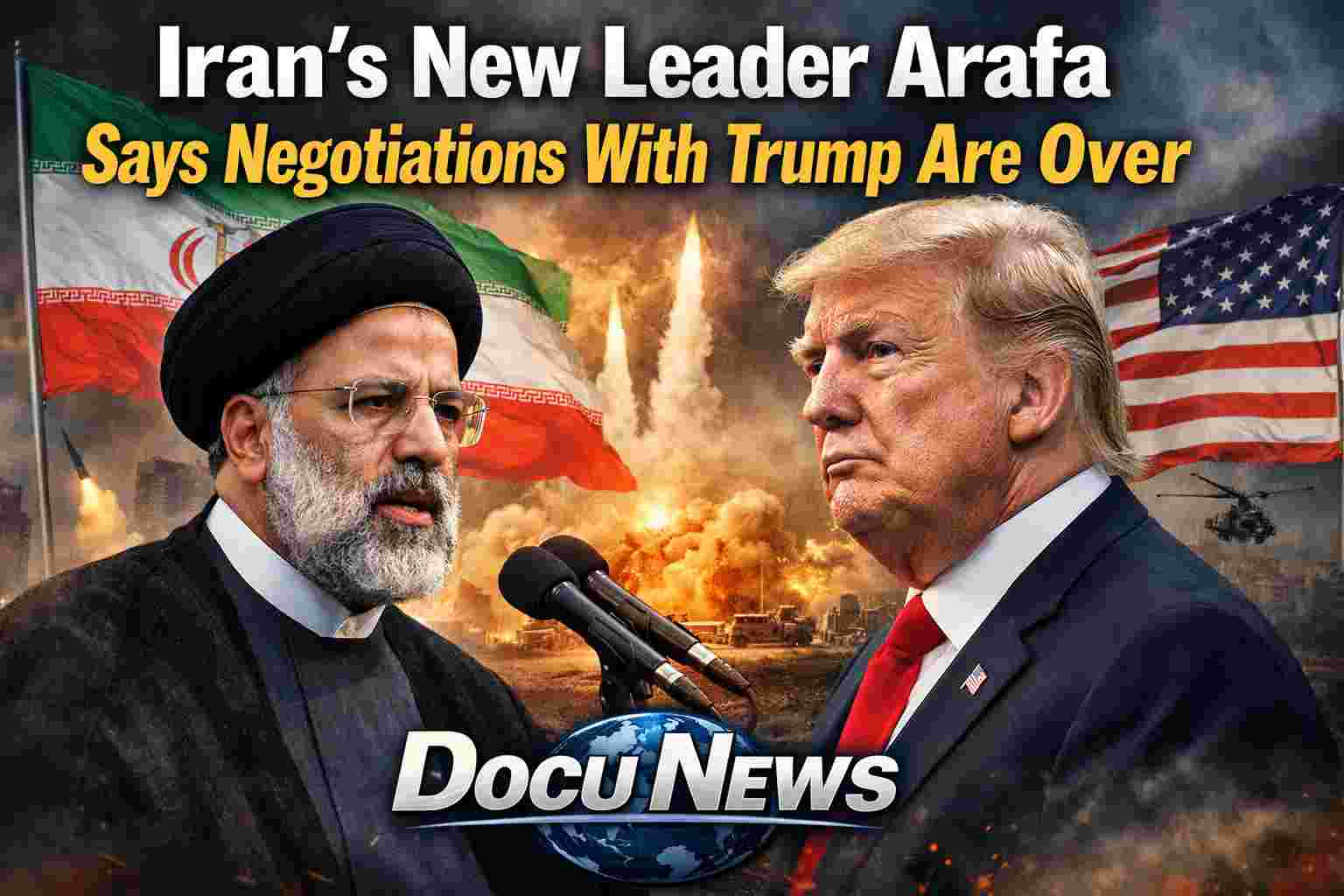
Iran’s New Leader Arafa Says Negotiations With Trump Are Over, and this announcement signals a major turning point in Iran–United States relations. The statement immediately drew global attention and intensified diplomatic discussions. Furthermore, it highlighted rising geopolitical tension across the Middle East. Observers now examine the consequences carefully.
The declaration surfaced in March 2026 during a period of heightened regional sensitivity. The leadership of Iran delivered the message publicly. At the same time, international analysts monitored reactions from Washington. The statement referenced negotiations involving the administration of Donald Trump. Therefore, the announcement carries significant political weight.
Officials presented the message as a firm and final position. Moreover, the wording suggested a clear shift in diplomatic strategy. In addition, the announcement reflected frustration with ongoing disputes. Consequently, global media outlets expanded coverage throughout the day. International institutions responded with calls for calm and restraint.
Also read Iran Accuses US and Israel of Civilian Strike; Rubio Denied It.
Diplomatic Background
Relations between Iran and the United States have experienced repeated cycles of negotiation and tension. For years, discussions focused on sanctions, regional security, and political disagreements. However, disagreements frequently slowed progress. Therefore, trust between both governments weakened over time.
International organizations often encouraged continued dialogue. The United Nations supported peaceful engagement between nations. Furthermore, global partners promoted structured negotiations. Despite these efforts, major differences remained unresolved. As a result, leaders faced pressure from domestic audiences.
The new declaration marks a noticeable change in tone. It also signals that Tehran may pursue a different diplomatic direction. Meanwhile, analysts debate whether this decision represents permanent policy or strategic positioning. Some experts believe public statements strengthen negotiation leverage. Others interpret the message as a genuine withdrawal.
Regional Security Concerns
The Middle East remains a sensitive geopolitical region. Therefore, diplomatic shifts can affect neighboring countries quickly. Energy routes, maritime traffic, and border stability depend on predictable communication. Consequently, any escalation increases uncertainty.
Military planners across the region continue monitoring developments. In addition, intelligence agencies evaluate possible outcomes. Regional governments seek reassurance through diplomatic engagement. They also encourage restraint in official statements.
Energy markets react strongly to political developments. Investors track announcements from both Tehran and Washington. Oil prices often respond to signs of instability. Furthermore, shipping costs may change during uncertain periods. Economic stakeholders prefer consistent international relations.
International Response
Global leaders typically encourage dialogue during disputes. Therefore, diplomatic offices issue statements promoting calm. The United Nations supports negotiation as a peaceful solution. Moreover, international partners attempt to reduce tensions.
Government communication channels remain available through official institutions. Readers can follow updates from the United States Department of State at https://www.state.gov. Policy statements from the White House are available at https://www.whitehouse.gov. These platforms provide verified information directly from authorities.
International news agencies also provide continuous coverage. Reliable journalism helps audiences understand developments clearly. Therefore, cross-checking multiple trusted sources improves awareness and accuracy.
Economic Implications
Political statements influence financial expectations. Therefore, traders monitor diplomatic developments closely. Currency markets often react to foreign policy changes. Investors evaluate potential risks before making decisions.
Sanctions discussions remain central to Iran–US relations. Consequently, international businesses analyze regulatory environments carefully. Trade partners review compliance requirements before expanding operations. Furthermore, banking institutions assess exposure to geopolitical risk.
Energy analysts consider supply stability when forecasting markets. Global supply chains depend on consistent policy conditions. Therefore, uncertainty may affect investment confidence. Stable diplomatic engagement supports economic growth.
Future Outlook
The announcement creates short-term uncertainty. However, diplomatic history shows that positions can change over time. Governments often adjust strategies based on new developments. Therefore, observers continue to monitor events closely.
Regional actors encourage moderation and structured dialogue. They understand that prolonged tension affects economic stability. Consequently, mediation efforts may continue behind the scenes. Furthermore, experienced negotiators value gradual progress.
International stability depends on communication and cooperation. Predictable engagement reduces misunderstandings. Therefore, continued dialogue remains important for long-term security. The coming weeks will reveal whether negotiations resume or remain paused.
DocuNews Central Opinion
At DocuNews Central, we emphasize balanced reporting and verified information. We believe diplomatic communication should remain a priority during disagreement. Therefore, leaders should consider structured dialogue before escalation. Constructive engagement supports regional stability and global cooperation.
Strong public statements often attract attention. However, lasting peace requires negotiation and understanding. Consequently, policymakers should evaluate peaceful options carefully. Media organizations must also present accurate updates to maintain public trust.
Conclusion
Iran’s New Leader Arafa Says Negotiations With Trump Are Over, and this statement represents a significant diplomatic shift. The announcement increases global attention on Iran–United States relations. Therefore, international observers continue analyzing potential consequences.
Although the message appears firm, diplomatic history shows that engagement can return. Governments frequently revise strategies when circumstances change. Consequently, dialogue may resume through official or intermediary channels. Ultimately, continued communication benefits regional peace, economic stability, and international cooperation.
