
Security updates Nigeria
8 Dead as Zamfara IED Blast Sparks Security Operation

8 Dead as Zamfara IED Blast Sparks Security Operation
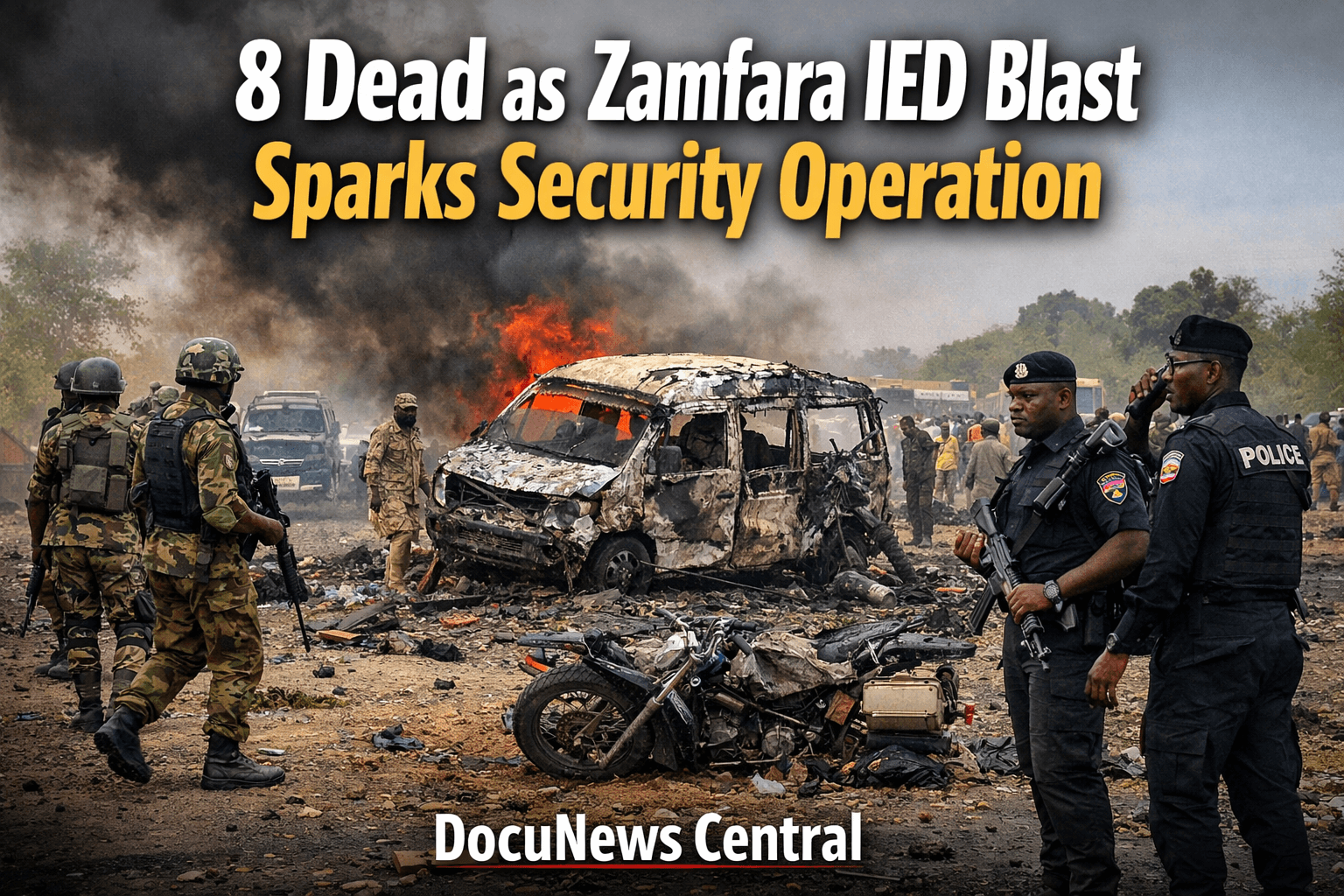
The Zamfara highway was thrown into chaos after a deadly improvised explosive device (IED) blast killed eight people and injured several others. The attack prompted immediate action from both the Nigerian Police Force and the Army, who swiftly moved to secure the area and clear the highway. This incident has raised concerns about road safety, security measures, and the rising threats posed by insurgents in northern Nigeria. Read also Kebbi General Hospital Rocked by Explosion, Police Investigate
Zamfara IED Blast: A Deadly Attack on Civilians
According to eyewitnesses, the IED detonated on a busy section of the highway, causing a massive explosion that destroyed vehicles and left victims trapped under debris. Emergency services rushed to the scene, but the scale of the destruction meant that several people could not be rescued in time. The incident has been described by local authorities as one of the deadliest in recent months.
The use of IEDs in Zamfara has increased over the past few years, often targeting travelers and security convoys. Experts warn that these explosives are becoming more sophisticated, making detection and prevention increasingly challenging. Residents along the highway have expressed fear and frustration, urging authorities to implement stronger security measures to protect lives. Many people are reacting to this headline Nigerian Army Neutralises 47 Terrorists, Rescues Kidnap Victims
Police and Army Swiftly Respond to the Zamfara Highway Blast
The Nigerian Police Force and the Army were deployed immediately after the blast. Roadblocks were established, and bomb disposal experts were called in to ensure no additional explosives were left behind. Authorities confirmed that the highway was cleared and reopened after thorough inspections, but the emotional impact on travelers and locals remains significant.
Security officials emphasized that the response was part of an ongoing effort to curb insurgent activities in Zamfara State. In collaboration with intelligence agencies, the police and army continue to monitor areas known for attacks and have intensified patrols along major highways. The rapid clearance of the road demonstrated the government’s commitment to restoring public confidence in travel safety.
Impact on Zamfara Residents and Travelers
Local residents have reported heightened fear following the attack. Many families are now hesitant to use the highway, fearing further IED blasts or ambushes by armed groups. Traders and transport operators are particularly affected, as the highway is a major route for commercial activities connecting Zamfara to neighboring states.
The economic implications are substantial. Delays and disruptions have increased transportation costs, while some businesses have temporarily shut down operations due to security concerns. Humanitarian organizations have called for urgent measures to protect civilians and provide support for those affected by the blast. Also I really want to share this with you. US Airstrikes in Nigeria: Gumi Calls It Sovereignty Breach
Government and Security Agencies Take Action
The Zamfara State Government, in coordination with federal security agencies, has vowed to strengthen surveillance and intelligence gathering. Governor [Insert Governor Name] stated that “no effort will be spared to ensure the safety of our citizens and travelers on this highway.”
Authorities are also encouraging community cooperation. Residents are urged to report suspicious activities, unattended packages, or unknown vehicles to local security forces. This collaboration is seen as crucial in preventing future attacks and identifying those responsible for planting IEDs.
Why IEDs Are a Growing Threat in Zamfara
The rise of IED attacks in Zamfara is linked to increasing insurgent activity, banditry, and organized crime in northern Nigeria. Experts note that these devices are relatively cheap to produce and can cause maximum damage, making them a preferred weapon for criminal groups. The government’s challenge lies in both prevention and rapid response to minimize casualties.
International organizations have also raised alarms about the escalation of IED incidents. Training programs for local security forces are being implemented with support from foreign partners to enhance detection and disposal capabilities. While these efforts show promise, experts stress that community awareness and timely intelligence remain the most effective tools against such attacks.
Eyewitness Accounts of the Zamfara Highway Blast
Several eyewitnesses described the blast as a “terrifying explosion” that shook the entire area. Motorists recounted seeing smoke, debris, and injured passengers immediately after the detonation. Some survivors were trapped for hours before being rescued by emergency teams. The graphic accounts underscore the severity of the incident and the urgent need for improved road security.
Eyewitness testimonies also reveal the human cost of the attack. Families have lost loved ones, and several victims remain hospitalized with severe injuries. Social media posts and local news reports have documented the tragedy, drawing national attention to the persistent security challenges in Zamfara State.
Security Measures to Prevent Future IED Attacks
In response to this deadly incident, security agencies have announced a range of measures, including:
- Enhanced road patrols and checkpoint inspections
- Deployment of bomb detection and disposal units
- Collaboration with local communities for intelligence gathering
- Use of advanced surveillance technology along major highways
- Public awareness campaigns on reporting suspicious activities
These measures aim to reduce the likelihood of future IED attacks and restore public confidence in road safety. Authorities believe that sustained efforts and proactive measures are crucial to preventing further loss of life.
National and International Reactions
The Zamfara IED blast has attracted attention both nationally and internationally. Nigerian news outlets have extensively covered the story, while international media have highlighted the ongoing security challenges in the region. Human rights organizations and humanitarian groups have urged the government to provide support for affected families and implement stronger protective measures.
Politicians and community leaders have also condemned the attack. Statements emphasizing unity, resilience, and the importance of working together to combat insurgency have been widely circulated. The incident has sparked debates on security policies, the effectiveness of current measures, and the need for long-term solutions.
Lessons from the Zamfara Highway Tragedy
The deadly IED blast on the Zamfara highway offers several lessons for both authorities and citizens:
- The importance of timely intelligence and proactive security measures
- The need for community involvement in reporting threats
- Investments in training and technology for detecting explosives
- Public education on safety protocols during travel
- Coordination between state and federal agencies to ensure rapid response
Learning from these lessons is critical in preventing similar incidents across Nigeria and protecting the lives of civilians who rely on major highways for travel and commerce.
Ongoing Investigation and Accountability
Security agencies are currently investigating the source of the IED and identifying those responsible. The police and military have pledged to bring the perpetrators to justice. Authorities are also examining gaps in security protocols and considering ways to improve highway monitoring to prevent similar tragedies in the future.
Transparency and accountability remain key concerns for the public. Citizens expect updates on the investigation, arrests, and steps taken to enhance security. These measures are not only essential for justice but also for rebuilding trust between communities and security forces.
Conclusion: Restoring Safety on Zamfara Highway
The deadly IED blast that claimed eight lives on the Zamfara highway underscores the persistent security threats facing northern Nigeria. Immediate response by the police and army prevented further casualties, but the incident highlights the urgent need for sustained security measures, community involvement, and proactive intelligence gathering.
Authorities must continue to prioritize road safety, support victims’ families, and address the root causes of violence and insurgency. Public awareness, collaboration between security agencies, and technological investments will play a crucial role in preventing future attacks. The Zamfara highway tragedy is a stark reminder of the importance of vigilance, preparation, and unity in confronting security challenges.
For more updates on security developments in Nigeria, visit Premium Times and Vanguard News. You can also learn more about travel safety tips along high-risk highways at Nigeria Police Official Portal.