
Israeli-Iran-U.S War
Iran Hits Ships Near Strait of Hormuz in Fiercest Strikes as War Intensifies

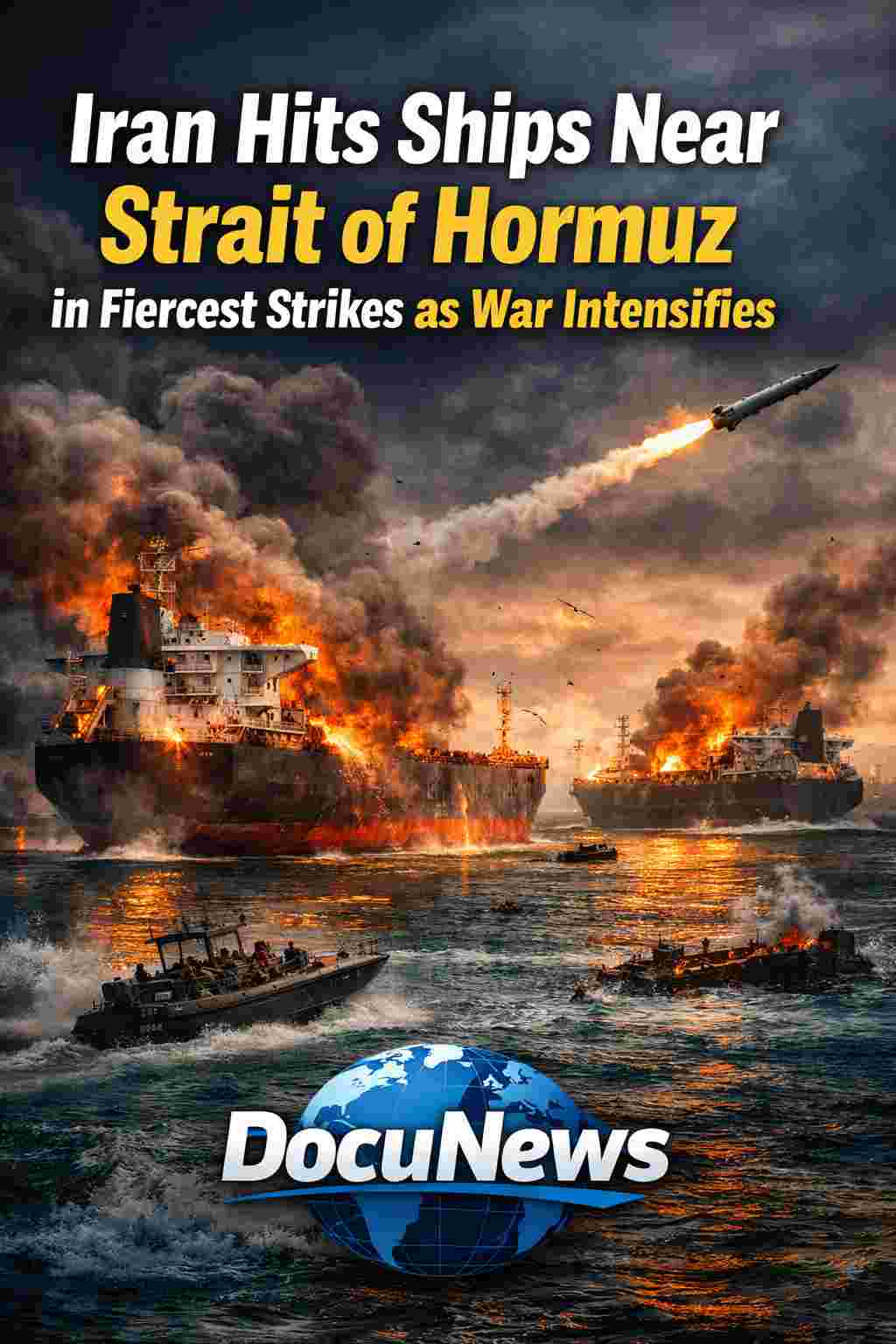
In a dramatic global shipping and energy crisis, Iran hits ships near the Strait of Hormuz in fiercest strikes as war intensifies, marking an unprecedented escalation in regional conflict that now threatens the crucial maritime corridor responsible for nearly one-fifth of the world’s oil and gas exports. As commercial vessels are struck and global energy markets reel, the situation continues to evolve rapidly with serious implications for international trade, geopolitical stability, and economic security. Source: Reuters
Rising Chaos in Strategic Waters
Dubai, United Arab Emirates — March 11, 2026: In the most intense escalation yet of the ongoing Iran-U.S.–Israel conflict, multiple commercial vessels were struck by unknown projectiles near the Strait of Hormuz, a vital shipping lane linking the Persian Gulf with the Gulf of Oman and beyond. The attacks, widely described as Iran’s fiercest strikes on maritime traffic, have dramatically worsened an already volatile military situation and triggered global concerns over energy supplies, maritime safety, and international maritime law. Read more
Ships operating near the waterway reported several projectile strikes on key commercial vessels, forcing evacuations, causing fires, and severely disrupting navigation throughout the region. With Iran’s Revolutionary Guard Corps openly engaging maritime targets, shipping companies have drastically reduced traffic through the corridor, already lowering global oil exports and driving up fuel prices worldwide. Source
Also read Iran Fires Cluster Bombs at Israeli Civilians
What Happened in the Strait of Hormuz?
Over recent hours, at least three vessels — including the Thailand-flagged bulk carrier Mayuree Naree, Japan-flagged container ship ONE Majesty, and Marshall Islands-flagged Star Gwyneth — were struck by unknown projectiles in and around the Strait of Hormuz. One of the attacks set a fire on board the Mayuree Naree, which later was extinguished by crews, though crew evacuations were necessary and at least three sailors remained missing after the incident. Read full report
Maritime authorities, including the UK Maritime Trade Operations (UKMTO), confirmed the vessel strikes and described them as part of a broader pattern of attacks that have already injured shipping traffic and halted transit in the area. Traffic through the strait has plunged dramatically since the conflict began on February 28, with insurers cancelling war-risk coverage and operators suspending transits amid fears of further hits and possible mine deployments. Source: AP News
Strategic Impact on Global Trade and Oil Markets
The Strait of Hormuz is one of the most critical chokepoints in global commerce, responsible for transporting nearly 20% of the world’s crude oil and liquefied natural gas. Disruptions in this corridor have immediate consequences for energy prices, freight costs, and international markets. More details
With repeated strikes on commercial vessels and warnings that ships belonging to the United States, Israel, and their allies could be considered “legitimate targets,” the maritime risk has reached unprecedented levels. Governments and energy agencies worldwide are monitoring the situation closely, while some are preparing emergency measures to stabilize supply chains. Read more
Oil Prices and Energy Security
The attacks have already had a marked impact on energy markets, with crude oil prices surging sharply in response to the heightened risk associated with shipping disruptions. Analysts warn that persistent instability could push prices even higher, potentially revisiting record levels not seen since earlier global crises. PBS Report
Moreover, the potential for mines or further Iranian naval tactics has alarmed military planners and traders alike, as the mere threat of underwater explosives could render the strait nearly impassable for commercial traffic. Business Insider
Regional Military Dynamics and Responses
As the conflict intensifies, military operations by both Iran and the U.S.–Israel coalition have expanded across multiple fronts. The U.S. military reported the destruction of multiple Iranian naval vessels, including mine-laying craft near the strait, as part of efforts to secure freedom of navigation for global shipping and curb Iranian maritime capabilities. WSJ Coverage
International navies have also been discussing coordinated escort missions, though active naval deployments have been limited compared with the rapid escalation on land and sea. France has spearheaded diplomatic talks on securing the waterway, but security analysts warn that without a ceasefire or major diplomatic breakthrough, conditions will remain highly unstable. AP News
Impact on Maritime Insurance and Shipping Lines
War-risk insurance providers have dramatically increased premiums or withdrawn coverage for routes passing near the Strait of Hormuz, effectively forcing many shipping companies to halt operations or divert to longer, less efficient routes. This exodus of commercial traffic highlights the severity of the maritime risk and underscores how far normal operations have deteriorated in such a short span. Al Jazeera
The rise in insurance costs also pressures freight pricing globally, as higher premiums are passed on to customers and can increase the cost of everyday goods. Some shipping lines have already flagged potential losses and are recalculating their future strategies based on ongoing risk assessments. Read more
Diplomatic Fallout and Global Reactions
Governments worldwide are reacting to the situation, with emergency meetings of energy ministers, strategic reserve releases, and diplomatic overtures aimed at both de-escalation and maintaining market stability. The International Energy Agency (IEA) announced plans to release significant strategic oil reserves in response to surging prices, though analysts caution that such measures are temporary and might only partially blunt price spikes. WSJ
Meanwhile, international pressure on Tehran to restrain its naval engagements has grown, with some world leaders calling for immediate cessation of attacks on civilian vessels. Others have sought forums to formulate a collective response to the threat to global trade and security. AP News
Humanitarian and Crew Safety Concerns
The attacks have also raised acute concerns about the safety of seafarers in the region. Reports of evacuations and missing crew members underline the danger faced by civilian mariners caught amid military escalation. Many nations are urging shipping operators to prioritize crew safety and abide by international advisories to avoid conflict zones at all costs. Business Today
What This Means for the Future of Maritime Security
The Iran hits ships near the Strait of Hormuz in fiercest strikes as war intensifies scenario spotlights how fragile global maritime security can be when geopolitical tensions reach a boiling point. The ramifications extend far beyond the Middle East, threatening international trade, energy markets, and diplomatic stability on a global scale.
As transits remain risky and hostilities continue, maritime authorities, international alliances, and energy regulators will likely pursue both short-term mitigation and long-term strategies to protect commerce and avoid prolonged disruptions. DocuNews Central
DocuNews Central Opinion
From the perspective of DocuNews Central, the strikes on ships near the Strait of Hormuz represent a pivotal escalation in the Middle Eastern conflict that could reshape global energy supply chains. While military operations around the strait have surged, the resulting disruption underscores the need for multilateral engagement, strengthened maritime security protocols, and diplomatic pressure to prevent civilian casualties and safeguard commercial navigation. The broader lessons of this crisis could influence how nations approach critical chokepoints in future geopolitical conflicts.
Conclusion
The latest developments along the Strait of Hormuz — where Iran hits ships near the Strait of Hormuz in fiercest strikes as war intensifies — mark a stark escalation in one of the world’s most pivotal maritime arteries. With multiple vessels struck, maritime traffic plummeting, and energy markets trembling, the crisis underscores the interconnected nature of global trade and security. If hostilities continue, the effects will ripple across the global economy, potentially reshaping energy geopolitics for years to come.
Frequently Asked Questions (FAQs)
Q: Why is the Strait of Hormuz so important?
A: The Strait of Hormuz is a narrow waterway connecting the Persian Gulf to the Gulf of Oman and Arabian Sea. It transits around 20% of global crude oil and LNG exports. Source
Q: Which ships were attacked in the recent strikes?
A: Vessels impacted include the Mayuree Naree, ONE Majesty, and Star Gwyneth, struck by unknown projectiles near the Strait of Hormuz. Read more
Q: Has any government warned against passing through the strait?
A: Yes, Iran’s military stated that ships belonging to the U.S., Israel, or allies could be considered “legitimate targets” if they transit the strait. EURONEWS
Q: What are the impacts on global oil prices?
A: Disruptions to traffic have resulted in significant oil price hikes as markets react to supply constraints and risks in a key shipping corridor. PBS
Q: Is it safe for ships to sail through the Strait of Hormuz now?
A: Due to repeated strikes and ongoing military operations, many shipping and insurance authorities consider the strait highly unsafe for commercial navigation without protective escorts or de-escalation. Al Jazeera
Disclaimer: This news report reflects verified developments as of the latest updates. Situations in conflict zones can change rapidly, and readers are advised to consult official statements and maritime advisories for real-time information.