
Security
Trump to Iran: Target US Ships, Face Destruction

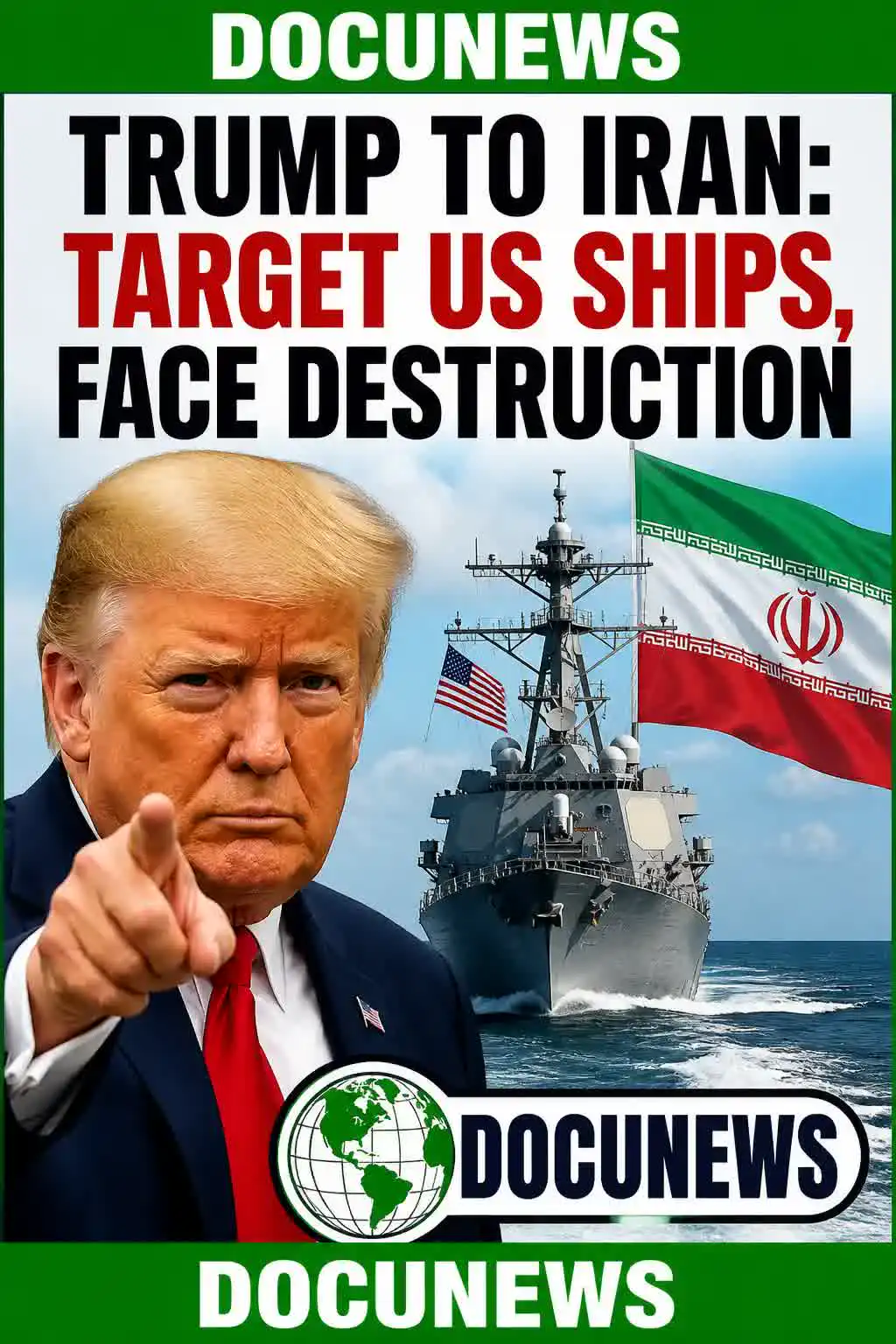
By Jonadab | May 4, 2026 | Publisher: DocuNews Central
US President Donald Trump has issued a strong warning to Iran, stating that any attempt to target American naval vessels would trigger severe consequences. The statement comes amid growing tensions in the Middle East and renewed concerns over maritime security. As a result, global attention has shifted back to US-Iran relations.
Trump’s remarks were direct and uncompromising. He warned that Iranian forces would be “blown off the face of the Earth” if they attacked US ships. Consequently, security analysts say the statement signals a hardline posture that could influence future military decisions.
On May 4, 2026, in the United States, Trump made the statement during a public address discussing national security and foreign policy. At the same time, tensions in key waterways such as the Persian Gulf continue to draw international concern due to their strategic importance.
What Happened?
Trump publicly warned Iran against any attack on US naval forces. He emphasized that the United States would respond with overwhelming force if provoked. As a result, the statement quickly gained global attention.
Additionally, the warning followed reports of increased military movements in the region. Although no direct attack has been confirmed, concerns about possible confrontations have intensified. Therefore, analysts believe the remarks were meant to deter escalation.
Also read Oyo Protest After Police Allegedly Kill Man
Where Did It Happen?
The statement was made in the United States. However, it directly relates to tensions in the Middle East, particularly around the Persian Gulf and nearby strategic waters.
These regions remain critical for global oil supply and international trade. Because of this, any military confrontation there could disrupt global markets. As tensions rise, security presence in the area has increased.
Who Is Involved?
The situation involves the United States and Iran. Trump, a key political figure, delivered the warning. Meanwhile, Iranian military forces remain central to the ongoing concerns.
In addition, global stakeholders, including allies and international observers, are closely monitoring developments. Organizations such as United Nations and defense agencies continue to assess the risks.
The US Navy also plays a critical role in maintaining security in international waters. According to reports, American naval operations have increased surveillance and readiness in response to regional tensions. More details on US defense operations can be found via the US Department of Defense.
Meanwhile, Iran has not officially responded to Trump’s latest remarks. However, previous statements from Iranian officials have warned against foreign military presence in the region. As a result, diplomatic tensions remain unresolved.
Security experts note that such strong rhetoric can influence military posture. While it may serve as a deterrent, it could also heighten risks if misinterpreted. Therefore, communication between both sides remains critical.
Furthermore, shipping routes in the Persian Gulf continue to face scrutiny. International shipping companies are monitoring the situation closely. Any disruption could affect global oil prices and supply chains.
Over the years, US-Iran relations have remained strained. Incidents involving naval encounters have occurred before. Because of this history, even verbal warnings can carry significant weight.
In recent months, reports have indicated increased military drills in the region. Although these exercises are often routine, they can raise tensions during sensitive periods. Consequently, analysts are watching for any unusual developments.
Global markets have also reacted cautiously. Energy traders, in particular, are sensitive to developments in the Middle East. Therefore, any escalation could have economic consequences beyond the region.
At the same time, diplomatic efforts have continued behind the scenes. International partners are urging restraint from both sides. As tensions rise, calls for dialogue have become more frequent.
Military analysts suggest that clear communication channels are essential. Without them, misunderstandings could escalate quickly. Thus, both nations face pressure to manage the situation carefully.
Additionally, US allies in the region have strengthened their security measures. Countries hosting US bases have increased surveillance and readiness. As a result, regional defense coordination has intensified.
Observers also point to the strategic importance of deterrence. Strong warnings can prevent conflict if taken seriously. However, they can also increase uncertainty if not followed by diplomatic engagement.
Iran’s role in regional security remains a key factor. Its influence extends across multiple areas, including maritime routes. Therefore, any confrontation could have wider implications.
At present, there is no confirmation of an immediate threat to US ships. However, the warning underscores ongoing concerns. As tensions remain high, the situation continues to develop.
Experts advise that monitoring official statements from both sides is crucial. Reliable updates from sources like Reuters and BBC News can provide verified information.
In conclusion, Trump’s warning highlights the fragile nature of US-Iran relations. While no direct conflict has occurred, the risk remains present. Therefore, global attention will likely stay focused on developments in the region.
