Israeli-Iran-U.S War
Israel Confirms Strike on Iran — Smoke and Explosions Visible in Tehran. Latest Updates

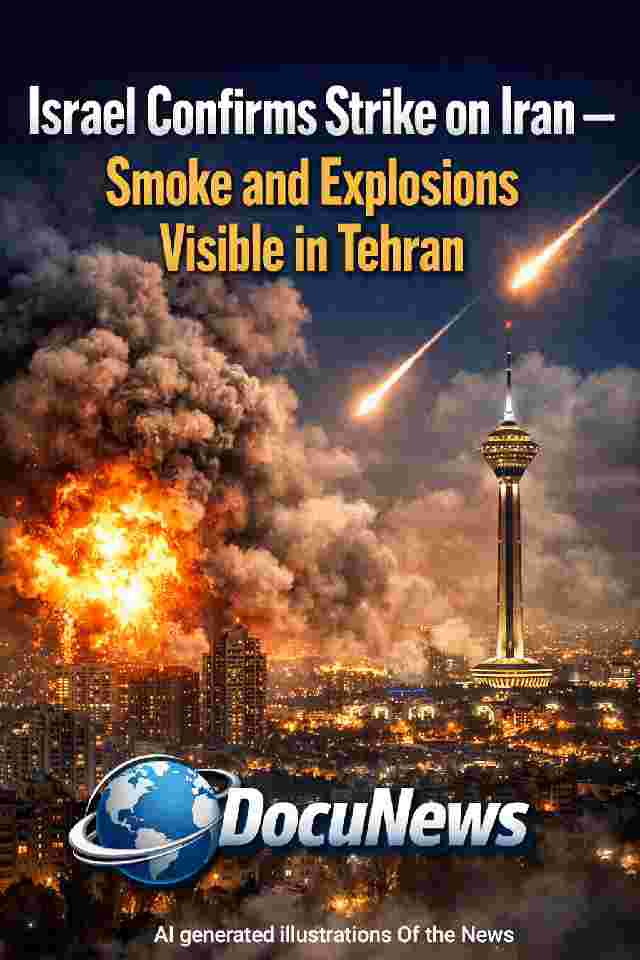
What is happening now in Iran. The whole world is fixing their eyes on Iran. Israel just Confirms Strike on Iran — Smoke and Explosions Are Visible in Tehran. This headline now stands as one of the most searched breaking news headlines worldwide, and it continues to dominate discussions across global media platforms, security forums, and international diplomatic circles. Now lets dive into Israel Iran Strike Update. The confirmation of a military strike combined with visible smoke and explosions in Tehran has placed the Israel–Iran relationship under intense global scrutiny, while analysts, policymakers, and citizens search for verified information about what happened, why it happened, and what may follow next.
According to Docunews Central, the incident unfolded on February 28, 2026, in Tehran, the capital of Iran. Officials from Israel publicly confirmed responsibility for the strike, describing it as a calculated security operation. Reports from residents indicated loud explosions followed by smoke rising over parts of the city, and images circulated quickly across news outlets and social media platforms, intensifying international attention.
Authorities in Israel framed the operation as a defensive action tied to national security objectives, while emergency responders in Tehran moved rapidly to evaluate impact zones, secure affected areas, and maintain public order. As information developed in real time, global news agencies activated continuous coverage to verify details, confirm locations, and report updates responsibly.
Read also Tunji Disu Launches Nationwide Crackdown on Police Corruption
Immediate Impact Across Tehran
Residents in multiple districts of Tehran described hearing sudden blasts that disrupted normal activity and triggered immediate concern. Witness accounts reported visible smoke plumes that rose above parts of the city skyline, prompting local authorities to increase patrols and coordinate emergency responses. Hospitals prepared medical teams, while civil defense units assessed infrastructure conditions to determine whether additional safety measures were required.
Transportation routes experienced temporary interruptions as security forces restricted movement near sensitive areas. Officials urged citizens to rely on state announcements for accurate instructions, and media outlets worked to confirm the scope of the event through satellite imagery, on-the-ground reporting, and cross-referenced visual evidence. As verification continued, international observers focused on accuracy to avoid misinformation during a sensitive geopolitical moment.
Although early reports concentrated on the explosions and smoke, analysts also began evaluating potential strategic implications. Defense commentators noted that confirmed strikes between regional powers often reshape diplomatic conversations, military readiness levels, and intelligence assessments. Therefore, observers across multiple continents monitored developments closely.
Strategic Context Behind the Strike
Relations between Israel and Iran have remained strained for years, shaped by security concerns, regional alliances, intelligence competition, and differing political positions. Each government has consistently emphasized sovereignty, deterrence, and defense preparedness, and these priorities influence military planning and diplomatic language.
Security analysts often describe the broader context as a prolonged rivalry involving indirect engagements, cyber operations, and regional influence. As a result, any direct confirmation of a strike generates immediate global reaction. Policymakers examine the timing, scale, and messaging behind such operations to understand strategic intent and possible next steps.
Experts also highlight the importance of communication channels during periods of heightened tension. Even when governments disagree sharply, diplomatic pathways can reduce misunderstandings and prevent escalation. Consequently, international actors often encourage restraint and structured dialogue after incidents of this magnitude.
Global Diplomatic Response
International leaders expressed concern soon after reports surfaced. Several governments released statements urging calm, emphasizing stability, and encouraging diplomatic engagement. Regional organizations also monitored developments, recognizing that conflict between major regional actors could influence neighboring countries and broader security dynamics.
Major global news platforms provided continuous updates and background coverage to help audiences understand context. Readers seeking verified reporting can consult established international outlets such as:
These organizations maintain editorial standards designed to confirm facts before publication. During rapidly evolving events, such standards help readers distinguish confirmed information from speculation. As additional details emerge, reputable outlets typically update their reports to reflect verified developments.
Security Implications and Defense Readiness
Military experts note that confirmed cross-border strikes often prompt heightened alert levels. Air defense systems, intelligence units, and command structures typically review operational outcomes to evaluate effectiveness and potential risks. Such reviews can influence future strategic decisions and readiness protocols.
Defense planners analyze satellite data, radar activity, and communication patterns to understand the broader operational picture. They also assess potential responses and evaluate how regional partners might react. Because of the sensitive nature of the event, officials on both sides are likely conducting internal reviews to determine security implications.
Analysts stress that measured communication remains essential during such periods. Clear messaging can reduce misinterpretation and limit unintended escalation. Therefore, diplomatic engagement often becomes a priority immediately after major incidents.
Economic and Market Considerations
Financial markets frequently respond to geopolitical developments in the Middle East, especially when they involve major regional actors. Energy traders monitor developments carefully, since disruptions could influence global supply chains and pricing expectations.
Investors track currency fluctuations, commodity trends, and regional stability indicators. Short-term volatility may occur when uncertainty increases, although long-term market direction typically depends on subsequent diplomatic or military outcomes. Economic analysts therefore wait for further clarity before drawing conclusions.
Insurance providers and logistics companies also evaluate risk exposure during such events. Shipping routes, infrastructure assets, and regional partnerships may undergo temporary assessment to ensure operational continuity.
Information Verification and Responsible Reporting
During fast-moving developments, journalists rely on multiple verification methods. These include official statements, eyewitness testimony, satellite imagery, and cross-referenced reporting. Responsible outlets prioritize accuracy over speed, especially when covering military incidents.
Readers should consult established platforms and avoid unverified claims circulating on social media. While digital platforms distribute information rapidly, professional news organizations maintain structured editorial processes that help confirm reliability.
Continuous monitoring by international correspondents ensures that updates reflect confirmed developments. As new facts become available, coverage adjusts accordingly, providing audiences with structured and factual reporting.
Internal Coverage and Continued Updates
For ongoing analysis and structured international reporting, readers can follow DocuNews Central. The platform continues to monitor developments, verify emerging information, and provide detailed coverage of global security events.
DocuNews Central remains committed to clarity, balance, and factual accuracy. As additional updates become available, readers can expect expanded reporting that explains context, background, and potential implications in an organized format.
DocuNews Central Opinion
DocuNews Central believes that diplomatic engagement must remain the primary pathway forward. Military escalation increases uncertainty and places regional stability under strain. Structured dialogue, transparent communication, and international cooperation can reduce risk and promote long-term security.
Both governments should prioritize channels that encourage de-escalation and prevent misunderstanding. Regional partners and global institutions can support mediation efforts, while maintaining respect for sovereignty and international frameworks. Responsible leadership will determine whether this moment leads to further tension or renewed diplomatic momentum.
For more of our worldwide news visit World News
Conclusion
The headline Israel Confirms Strike on Iran — Smoke and Explosions Visible in Tehran continues to shape global news coverage and search trends, reflecting widespread interest in confirmed military action and its consequences. As authorities in Israel and Iran manage the situation, international observers remain focused on verification, security assessments, and diplomatic developments.
The coming days will likely determine the direction of events, including potential diplomatic exchanges, security reviews, and further statements from officials. Global audiences should rely on trusted news platforms for updates, remain attentive to confirmed information, and follow responsible reporting as the story develops.
Also visit here for updates on this ongoing war Israeli-Iran War