
World
Iran Rejects US Negotiations, Promises More Missile Strikes

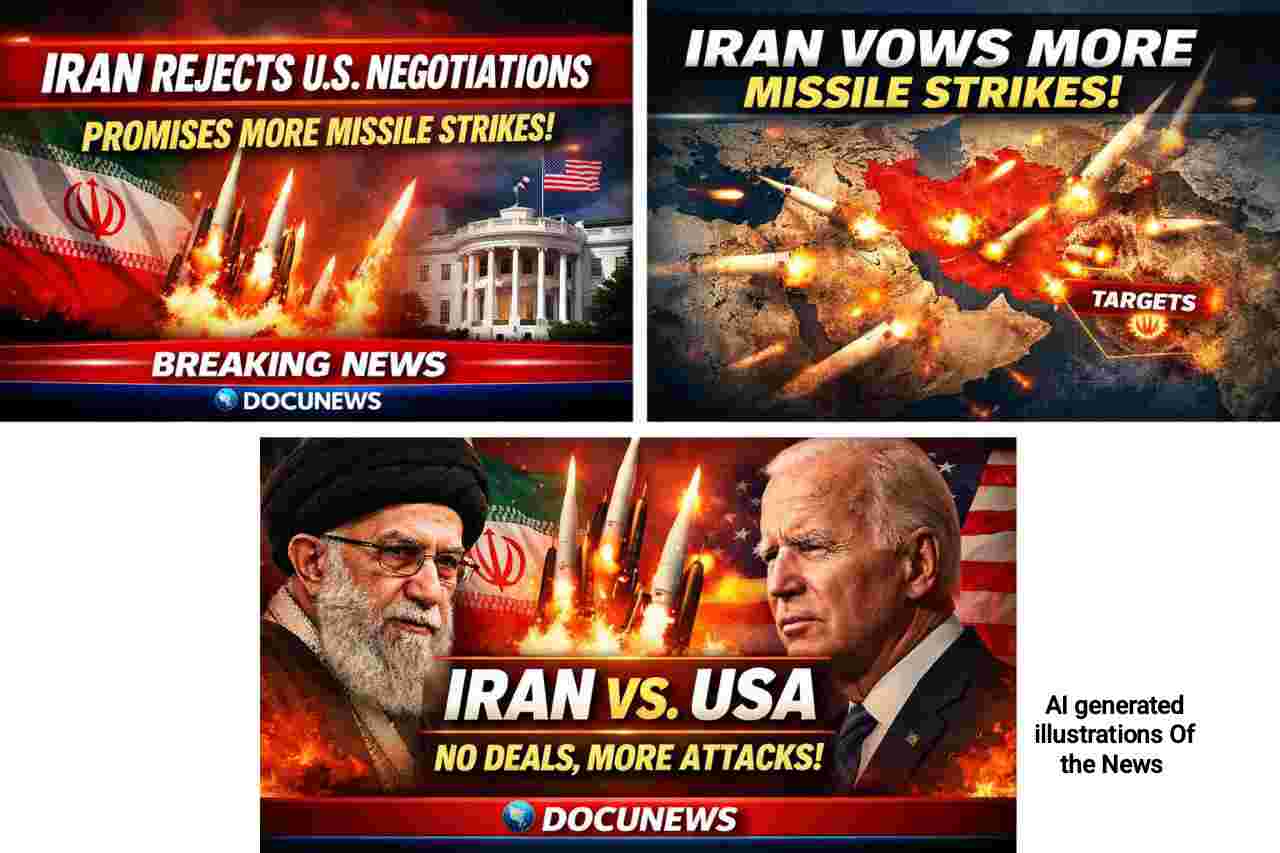
Tensions in the Middle East escalated sharply as Iran made it clear that diplomatic talks with the United States are no longer on the table. The announcement came in response to U.S. President Donald Trump’s recent claims that the conflict with Iran would conclude “very soon.” Tehran has signaled that it will continue missile strikes and other strategic operations, asserting that negotiations with Washington have effectively been ruled out. This development highlights a significant deterioration in diplomatic channels and sets the stage for further confrontations in the region.
According to the reports in our news desk, On March 10, 2026 in Tehran, Iran.
Iranian Foreign Minister Abbas Araghchi addressed the media via U.S. broadcaster PBS News, emphasizing that Iran is prepared to maintain missile operations for as long as necessary. According to Araghchi, prior attempts at dialogue with the United States have failed, and Iran will not compromise its strategic objectives. Analysts suggest that this firm stance may indicate an extended period of tension and a more complex geopolitical scenario, as Iran prioritizes its defense and regional influence over immediate negotiations.
The missile attacks mentioned are part of a broader Iranian military strategy aimed at asserting deterrence and demonstrating capabilities to both regional actors and global powers. Reports confirm that Tehran has continued testing ballistic missile systems and expanding drone operations across key locations in the Gulf. Al Jazeera and Reuters have highlighted the potential implications for energy security and global shipping lanes.
Strategic Implications of Iran’s Stance
Iran’s declaration of continued missile strikes comes amid heightened tensions in the Middle East, particularly in the Gulf region, where U.S. forces maintain a significant presence. By ruling out negotiations, Iran is signaling that it intends to leverage military strength over diplomatic compromise. Experts note that this approach could impact international markets, global energy supply, and security protocols for shipping in the Persian Gulf.
Analysts at Jane’s Defence report that Iran’s missile arsenal includes medium- and long-range systems capable of targeting both regional and U.S. installations. These developments highlight the complexity of the Iran-U.S. conflict, making diplomatic resolution less likely in the short term. Iran’s decision to reject talks also underscores its determination to maintain sovereignty over its military and nuclear programs, which remain a key point of contention in international diplomacy.
Also read Seventh U.S. Service Member Killed in Iran War
Tehran’s Response to U.S. Assertions
Following President Trump’s statement suggesting that the war with Iran would end “very soon,” Tehran publicly countered that any assumption of a quick resolution is inaccurate. According to Abbas Araghchi, Iran’s response strategy is proactive, designed to protect national interests while signaling resolve to international observers.
Experts warn that Iran’s missile capabilities are being combined with advanced drone technologies, which allow precision strikes on military and infrastructural targets. The Iranian Revolutionary Guard Corps (IRGC) has reportedly been conducting exercises near strategic maritime zones, highlighting the country’s readiness to continue operations if required. Defense News emphasizes that these maneuvers are consistent with Iran’s long-term strategy of deterrence.
Escalation in U.S.-Iran Relations
The rejection of negotiations signals a deepening rift between Washington and Tehran. Analysts suggest that without a diplomatic framework, both countries are likely to experience prolonged strategic tension. This could result in increased military posturing, cyber operations, and indirect confrontations through regional allies.
For U.S. policymakers, Iran’s stance presents both operational and strategic challenges. Officials may need to balance a show of strength with avenues for conflict management. According to U.S. Department of State, maintaining freedom of navigation in the Gulf and ensuring energy security remain top priorities, requiring a careful assessment of potential Iranian actions.
Regional Impact and Reactions
Neighboring countries, including Kuwait, Bahrain, and Saudi Arabia, are closely monitoring Iran’s military posture. The continuation of missile strikes has raised concerns regarding regional stability and trade security. Reports suggest that local governments are enhancing defensive measures while engaging in emergency planning to protect civilian infrastructure.
Economic analysts also warn that global oil markets could experience volatility, as Iran’s missile operations may affect key shipping lanes such as the Strait of Hormuz. International agencies are closely monitoring the situation, urging restraint on both sides while emphasizing the importance of conflict de-escalation.
Historical Context
Iran’s decision to reject U.S. negotiations is consistent with its broader strategic history, particularly since the U.S. withdrawal from the 2015 nuclear deal (JCPOA). Tehran has consistently emphasized self-reliance, regional influence, and the protection of national sovereignty. Analysts argue that past negotiations failed due to differing expectations and the imposition of sanctions that Tehran viewed as punitive.
The current escalation reflects accumulated tensions and underscores why Iran views military capability as a critical tool for negotiating leverage. Experts at Al Arabiya highlight that these actions serve both domestic and international signaling purposes, reinforcing the government’s authority internally while communicating resolve externally.
DocuNews Central Opinion
DocuNews Central assesses that Iran’s refusal to engage in U.S. talks indicates a prolonged period of strategic uncertainty. While missile strikes may serve as deterrence, prolonged conflict risks destabilizing not only the Gulf but also global economic interests. Our analysis suggests that multilateral diplomatic efforts, possibly mediated by neutral actors, may provide a pathway to avoid escalation, but Iran’s firm stance complicates conventional approaches.
We also note that President Trump’s public statements may have underestimated the geopolitical calculation from Tehran, which views negotiation as conditional rather than obligatory. Any future strategy by Washington will need to account for Iran’s long-term regional objectives and military capabilities.
Military Readiness and Capabilities
Iran’s military capabilities have evolved significantly over the last decade. The country maintains an extensive missile inventory, ranging from short-range tactical systems to medium- and long-range ballistic missiles. Additionally, drone technologies provide Iran with precision targeting and operational flexibility.
According to GlobalSecurity.org, Iran’s military doctrine prioritizes deterrence, asymmetric warfare, and territorial defense. The decision to continue missile strikes while rejecting talks fits this doctrine, signaling to both allies and adversaries that Tehran is prepared for prolonged strategic engagement.
International Diplomatic Reactions
The international community has responded with cautious statements. The United Nations called for restraint, urging both the U.S. and Iran to avoid actions that could escalate the situation further. European powers have expressed concern over potential regional destabilization and called for renewed dialogue through multilateral channels.
Countries such as Russia and China have highlighted the importance of conflict management and regional stability. Analysts note that Tehran’s rejection of U.S. negotiations may indirectly encourage other nations to engage with Iran through alternative diplomatic channels.
Economic Implications
Iran’s continued missile operations and refusal to negotiate carry economic consequences. Oil markets have shown signs of volatility, with crude prices reacting to reports of potential threats to shipping lanes. Insurance costs for maritime operations in the Gulf have increased, reflecting the heightened risk of conflict-related disruptions.
International companies are reassessing investments in the region, while governments are evaluating strategies to mitigate supply chain vulnerabilities. Observers suggest that without renewed diplomatic engagement, these economic pressures may continue to grow.
Frequently Asked Questions
Q1: Why did Iran reject U.S. negotiations?
A1: Iran views previous talks as ineffective and believes its strategic interests are better served through military deterrence.
Q2: What areas are likely to be affected by Iran’s missile strikes?
A2: Potential targets include military installations, strategic infrastructure, and key maritime zones in the Gulf.
Q3: Could this escalate into a full-scale war?
A3: Analysts indicate that while escalation risk is present, both sides currently seem focused on deterrence rather than direct conflict.
Q4: How is the international community responding?
A4: The UN and European powers have called for restraint, while Russia and China emphasize conflict management.
Q5: What role does DocuNews Central play in analyzing this situation?
A5: DocuNews Central provides expert analysis, highlighting the geopolitical implications and recommending pathways to reduce escalation.
Conclusion
Iran’s announcement rejecting U.S. negotiations and promising continued missile strikes marks a significant development in the ongoing Iran-U.S. conflict. With heightened military readiness, regional concerns, and global economic implications, this situation demands careful monitoring. Multilateral efforts may offer a path to de-escalation, but Tehran’s firm stance indicates that resolution is unlikely in the short term.
For ongoing coverage, updates, and expert opinions, follow DocuNews Central for comprehensive reporting and analysis.
Disclaimer: The content in this article is intended for informational purposes only. While every effort has been made to ensure accuracy, the geopolitical situation is fluid and may change rapidly. Readers should verify critical details with official sources before making decisions based on this information.
For more information, visit Israeli-Iran-U.S War
