
Israeli-Iran-U.S War
Iran Vows Stronger Strikes Against U.S.

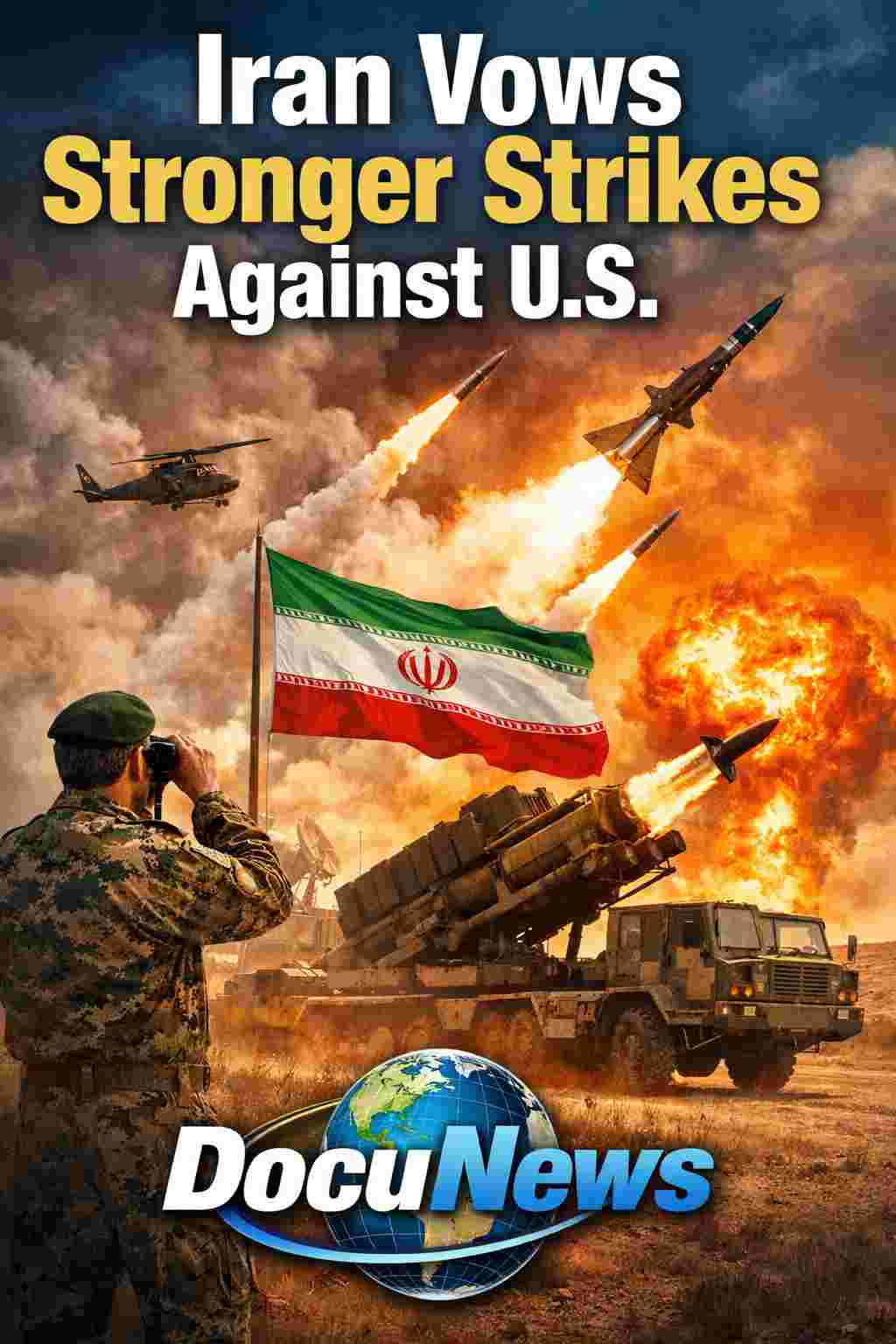
Iran Vows Stronger Strikes Against U.S. as regional tensions rise and diplomatic pressure intensifies across international platforms. This development adds urgency to ongoing security discussions and military evaluations. Iran Vows Stronger Strikes Against U.S. signals a firm stance from Tehran and highlights the possibility of further escalation if conditions continue to deteriorate.
The statement came in March 2026 from Brigadier General Kioumars Heydari of Iran during a period of heightened alert. The remarks targeted the United States amid ongoing strategic disagreements. Officials confirmed readiness for continued confrontation if required. They emphasized determination and operational preparedness.
General Heydari stated that Iran will continue its confrontation until it achieves its strategic objectives. He warned that the United States should expect stronger retaliatory strikes if pressure increases. His message reflected confidence, resolve, and commitment to national defense priorities.
Strategic Intent and Military Posture
Iran framed the warning as part of a broader deterrence strategy. Leadership stressed resilience and defensive readiness. Officials want to demonstrate capability while maintaining internal unity. Therefore, the statement served both domestic and international audiences.
Military communication often plays a key role in shaping geopolitical dynamics. Public declarations can influence negotiations and signal strength. As a result, rhetoric becomes part of strategic planning. Clear messaging may discourage escalation from opposing forces.
In this case, Iran connected its warning to defined strategic goals. These goals relate to security interests and regional influence. Leaders presented stronger strikes as a response option rather than an initial move. This approach aligns with established deterrence doctrine.
Also read Reasons why Iran Bombs Kurdish Groups In Iraq – Full details
Regional Security Conditions
The Middle East continues to experience heightened sensitivity. Political tensions can shift quickly. Therefore, security agencies maintain constant monitoring. Intelligence units analyze developments carefully. Defense teams review preparedness levels.
International observers encourage restraint and dialogue. Diplomatic communication remains active across multiple channels. Such engagement helps reduce misunderstandings and supports stability. Additionally, global institutions promote peaceful resolution mechanisms.
Analysts continue to assess possible consequences. They examine military balance, political alignment, and economic impact. Energy markets often respond to geopolitical signals. Consequently, stakeholders monitor every new development closely.
United States Monitoring and Response
The United States continues to review intelligence assessments and strategic options. Officials consult regional partners and defense experts. They evaluate potential risks and prepare contingency plans. At this stage, no immediate retaliatory action has been publicly announced.
For official defense updates, readers can visit the U.S. Department of Defense at: https://www.defense.gov
International coverage and verification are also available through established global outlets such as Reuters: https://www.reuters.com
These platforms provide factual reporting and structured updates. Reliable sources remain essential during periods of heightened tension.
Diplomacy, Deterrence, and Stability
Deterrence remains a central component of national security strategy. Governments use military readiness to discourage external threats. Statements reinforce credibility and demonstrate preparedness.
However, escalation introduces uncertainty. Misinterpretation can increase risks. Therefore, careful communication becomes critical. Balanced dialogue reduces the chance of unintended outcomes.
Diplomatic engagement offers pathways toward de-escalation. Structured negotiations can address disagreements constructively. Confidence-building measures also improve transparency. These tools support long-term stability.
Economic Considerations
Geopolitical tension may influence global markets. Energy prices often react to security developments. Investor sentiment can shift based on perceived risk. Consequently, financial institutions track events carefully.
Trade routes depend on stability. Any disruption can affect transportation costs and supply chains. Governments prepare contingency strategies to reduce economic impact. Coordination between allies strengthens resilience.
Policy analysts evaluate both short-term and long-term implications. They consider diplomatic leverage, regional alliances, and security balance. Careful assessment helps guide responsible decision-making.
Communication and Global Reaction
Public messaging plays a significant role in international relations. Leaders use statements to signal intent and clarify positions. Words carry diplomatic weight during sensitive periods.
Strong rhetoric may reinforce internal unity. It can also influence foreign perception. However, measured communication often reduces tension. Therefore, tone selection becomes strategically important.
Global stakeholders observe developments closely. They encourage restraint and structured dialogue. International cooperation remains vital in preventing broader escalation.
Possible Future Scenarios
Several outcomes remain possible. Continued rhetoric may sustain tension. Alternatively, diplomatic progress could ease pressure. Leadership decisions will determine the direction of events.
If escalation increases, regional stability may face challenges. However, negotiation frameworks can limit conflict. International support can also contribute to resolution efforts.
Experts recommend monitoring verified sources. Accurate reporting helps prevent misinformation. Responsible media consumption strengthens public understanding.
DocuNews Central Opinion
For balanced updates and structured coverage, visit DocuNews Central.
DocuNews Central emphasizes accuracy, clarity, and verified information. Responsible journalism must rely on confirmed statements and credible sources. During sensitive geopolitical developments, readers should avoid speculation and depend on trusted reporting.
We encourage dialogue, transparency, and diplomatic engagement. Calm evaluation of events supports stability. In addition, cross-checking information from multiple reputable outlets improves public awareness.
Conclusion
Iran’s declaration reflects a firm position amid ongoing tensions with the United States. The warning signals readiness for stronger responses if confrontation continues. It also reinforces strategic objectives and deterrence priorities.
The situation remains dynamic. Diplomatic channels continue to operate. Therefore, future developments will depend on leadership decisions, regional coordination, and international engagement.
Careful communication and structured dialogue may reduce escalation risks. Stability benefits all parties. Ongoing monitoring and verified reporting remain essential.
Disclaimer
This article is based on publicly available statements and general geopolitical context. It does not confirm any specific military action. Readers should consult official government sources and reputable international news agencies for the most accurate and updated information. Situations involving international security can change rapidly.