
Israeli-Iran-U.S War
US-Backed Kurdish Forces Launch Ground Attack in Iran.

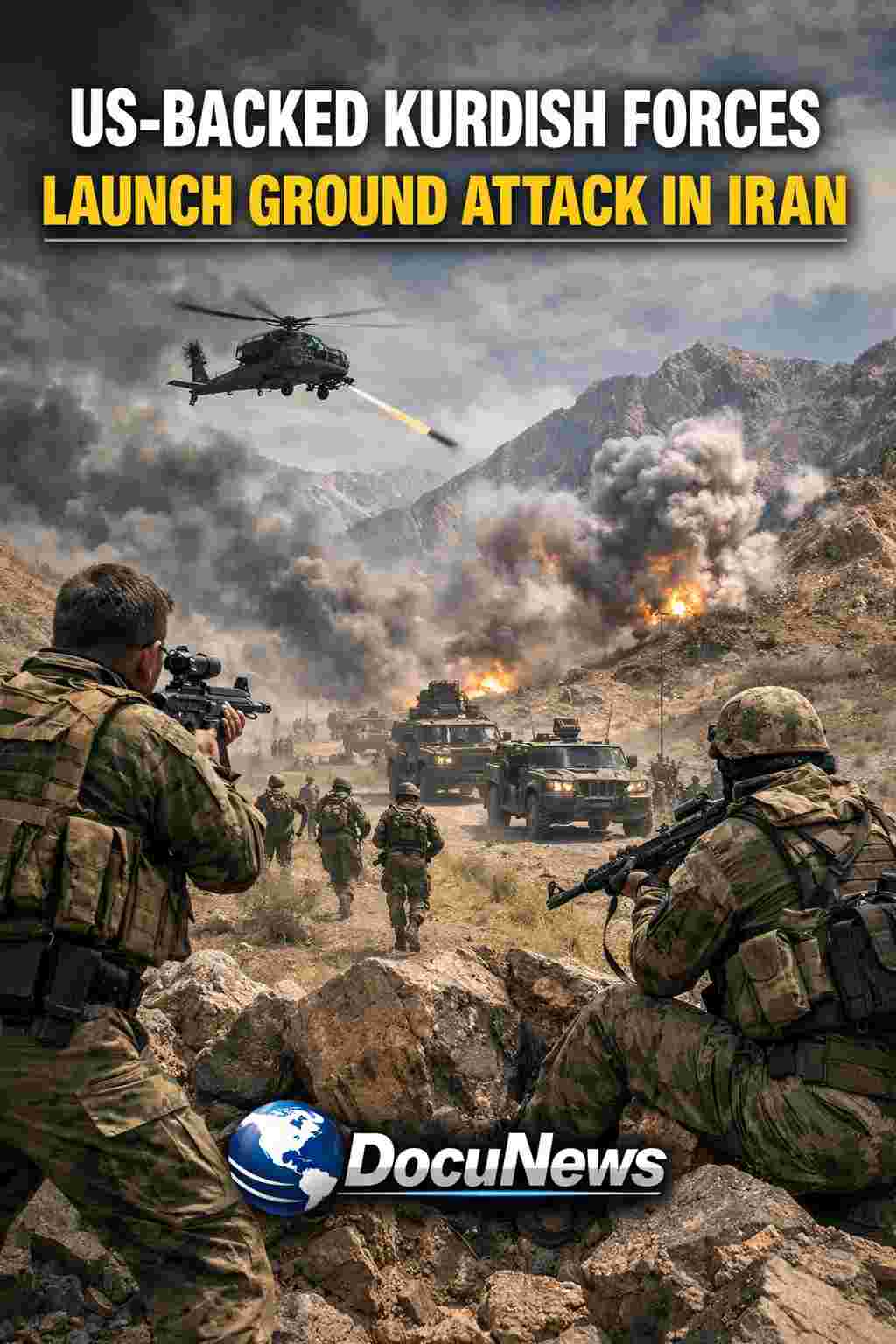
US-backed Kurdish forces have reportedly launched a ground offensive inside Iran, marking a dangerous escalation in the Middle East conflict and raising fears of a wider regional war. Military analysts say the development could reshape security dynamics along the Iran–Iraq border and influence the balance of power in the region. As tensions continue to grow, the situation surrounding US-Backed Kurdish Forces Launch Ground Attack in Iran is drawing intense global attention from governments, military experts, and international observers who are closely monitoring the unfolding crisis.
On Friday a reports from regional security sources indicate that thousands of fighters from Iraqi Kurdish armed groups crossed into western Iran from neighboring Iraq. The suspected entry points are believed to lie in mountainous border regions that have historically served as corridors for militant movements. Observers believe the operation signals a serious shift in the regional power struggle and may open a new front in the already tense Middle East security landscape.
According to DocuNews Central and the intelligence briefings that is circulating among regional analysts, those fighters are believed to belong to Kurdish groups that have long operated in northern Iraq. These groups have periodically clashed with Iranian border forces over the years. However, the scale of the reported movement appears significantly larger than previous cross-border incidents. This change has raised alarm among governments and military strategists across the region.
Also Read Iran Missile Strike Hits Bahrain Oil Refinery, Massive Explosion
Rising Tensions Along the Iran–Iraq Border
Tensions along the Iran–Iraq border have existed for decades due to political rivalries, ethnic divisions, and the presence of militant groups operating in remote mountainous areas. Kurdish militant organizations often use these rugged landscapes as strategic strongholds. The terrain offers natural protection and makes surveillance difficult for government forces attempting to secure the frontier.
Iran has repeatedly accused Kurdish militant groups of launching attacks from Iraqi territory and then retreating back across the border. Tehran claims these organizations threaten national security and destabilize western provinces populated by Kurdish communities. In response, Iranian forces have carried out several military operations targeting suspected militant bases near the frontier.
The latest reports appear different from earlier clashes. Instead of isolated raids or brief skirmishes, security sources describe a coordinated movement involving large numbers of fighters. Military observers therefore believe the situation may represent a structured offensive rather than scattered militant activity.
Regional analysts warn that such developments could widen instability in the Middle East. Several conflicts already exist across the region. As a result, another armed confrontation may increase geopolitical tension and complicate diplomatic efforts aimed at maintaining stability.
For additional background on regional security developments, readers can consult professional reporting from Reuters Middle East coverage.
Who Are the Kurdish Forces Involved?
According to DocuNews Central, Kurdish militant groups have operated across the Middle East for many decades. Some organizations claim they are fighting for greater political autonomy or independence for Kurdish populations spread across several countries. Others argue that they are defending Kurdish communities from military pressure or political restrictions imposed by national governments.
Many of these groups maintain bases in mountainous regions located in northern Iraq. The difficult terrain allows fighters to move between remote valleys and border areas while avoiding constant surveillance. Because of this geographical advantage, controlling militant activity in the region has always been challenging for government security forces.
Over time, certain Kurdish groups have cooperated with international coalitions during military operations against extremist organizations in the region. This cooperation has occasionally led to training programs and logistical support from foreign partners. Nevertheless, such relationships remain politically complex and often generate diplomatic debate.
Political goals within Kurdish movements also vary widely. Some factions prioritize regional autonomy. Others focus on defending Kurdish cultural identity. These internal differences create a complicated landscape that external observers often struggle to understand.
More historical context about Kurdish movements can be found through BBC News Middle East reports.
Why the Ground Offensive Matters
The reported ground offensive could represent a turning point in current Middle East tensions. If the reports prove accurate, Iran may consider the incursion a direct challenge to its territorial security. Such a perception could trigger a swift military response designed to push armed groups away from the border.
Iran maintains strong security infrastructure in its western provinces. Military bases, surveillance systems, and rapid deployment units operate in these areas. Because of this preparedness, large-scale incursions rarely remain uncontested for long periods.
Another factor increasing concern involves the broader geopolitical environment. Several regional powers hold strategic interests in areas close to the Iran–Iraq border. Military developments there could therefore influence diplomatic relations among neighboring states.
The strategic importance of western Iran also adds weight to the situation. Transport corridors, supply routes, and military installations exist within this region. Any sustained conflict could disrupt logistics networks and raise tensions across the broader Middle East.
Ongoing updates regarding Middle East developments are available through Al Jazeera Middle East coverage.
Reports of Thousands of Fighters Crossing the Border
Early intelligence assessments suggest that several thousand fighters may have taken part in the reported operation. Satellite imagery and local monitoring groups have indicated increased activity in remote border valleys. These movements have drawn attention from regional security agencies tracking developments in the mountainous frontier.
Residents living in nearby villages have also described hearing gunfire and helicopter movements during nighttime hours. However, independent confirmation remains limited because journalists face difficulty reaching the remote locations where the activity reportedly occurred.
Military analysts frequently warn that battlefield information during early stages of conflict can be confusing. Initial reports sometimes contain exaggerations or incomplete details. For that reason, observers emphasize the importance of verifying claims through multiple independent sources.
Nevertheless, the consistency of reports from different intelligence channels has raised concerns among policymakers and security planners who are closely monitoring developments.
Iran’s Possible Military Response
If the cross-border operation is confirmed, Iran is unlikely to ignore the situation. Iranian military units maintain strong positions across western provinces. Border guards, regular army units, and specialized forces conduct routine patrols and surveillance operations throughout the region.
Previous cross-border incidents have prompted rapid Iranian responses that included artillery strikes and targeted raids against suspected militant positions. However, a larger incursion could prompt broader operations involving additional troop deployments.
Iranian commanders might also increase aerial surveillance or conduct limited airstrikes against suspected staging areas. Such actions could raise tensions further if neighboring territories become involved in the conflict dynamics.
Because of these possibilities, security analysts stress that the situation requires careful monitoring to prevent unintended escalation.
Regional Security Concerns
The Middle East already faces multiple security challenges. Political rivalries, territorial disputes, and armed conflicts continue to shape the region’s geopolitical landscape. Any new military confrontation therefore carries significant implications for regional stability.
Neighboring governments often worry that border clashes could spread into surrounding areas. Refugee flows, economic disruptions, and humanitarian concerns may follow if fighting intensifies.
Diplomatic organizations usually encourage restraint during such periods. International mediators often attempt to reduce tensions through dialogue and communication between opposing sides.
Background research on Middle East security diplomacy can be explored through Council on Foreign Relations Middle East analysis.
Economic and Energy Implications
Military tensions in the Middle East frequently influence global energy markets because the region remains central to international oil production. Investors and traders closely follow geopolitical developments that could affect supply routes or production facilities.
Even limited conflicts sometimes trigger immediate market reactions. Oil prices may fluctuate as traders attempt to anticipate potential disruptions in supply chains or transport corridors.
Energy analysts therefore continue monitoring developments along the Iran–Iraq border. While the current reports involve localized areas, prolonged instability could create broader economic effects.
Global energy market insights can be followed through Bloomberg Energy analysis.
DocuNews Central Opinion
According to DocuNews Central, the reported offensive highlights the fragile balance of security in the Middle East. Cross-border military actions rarely remain isolated incidents. Instead, they often trigger complex political reactions and military countermeasures from multiple actors.
DocuNews Central analysts believe transparent communication between regional governments remains essential. Diplomatic dialogue could reduce misunderstandings and prevent further escalation of tensions along already sensitive borders.
Readers can explore additional analysis and updates through the internal coverage provided by DocuNews Central, which continues to monitor developments across the global security landscape.
Conclusion
The reports that US-backed Kurdish forces launched a ground attack in Iran represent a potentially significant development in Middle East geopolitics. Although details remain limited, the scale of the reported operation has already raised questions about regional security and the possibility of further escalation.
Governments, intelligence agencies, and international observers will likely continue monitoring the situation closely. As additional information becomes available, the full implications of the reported offensive may become clearer.
Ultimately, the next steps taken by involved parties will determine whether the situation stabilizes or expands into a wider confrontation. Diplomatic engagement and responsible reporting will therefore remain crucial in the coming days.
Disclaimer
This report is based on early information, regional security analysis, and publicly available sources at the time of publication. Some details may change as new verified information emerges. The article is provided for informational and journalistic purposes only. DocuNews Central does not claim independent confirmation of every battlefield detail mentioned. Readers should follow updates from official sources and credible international news organizations.
For more details Visit Israeli-Iran-U.S War