
Politics
Oshiomhole Sparks Senate Crisis, Says Akpabio May Be Forced to Resign

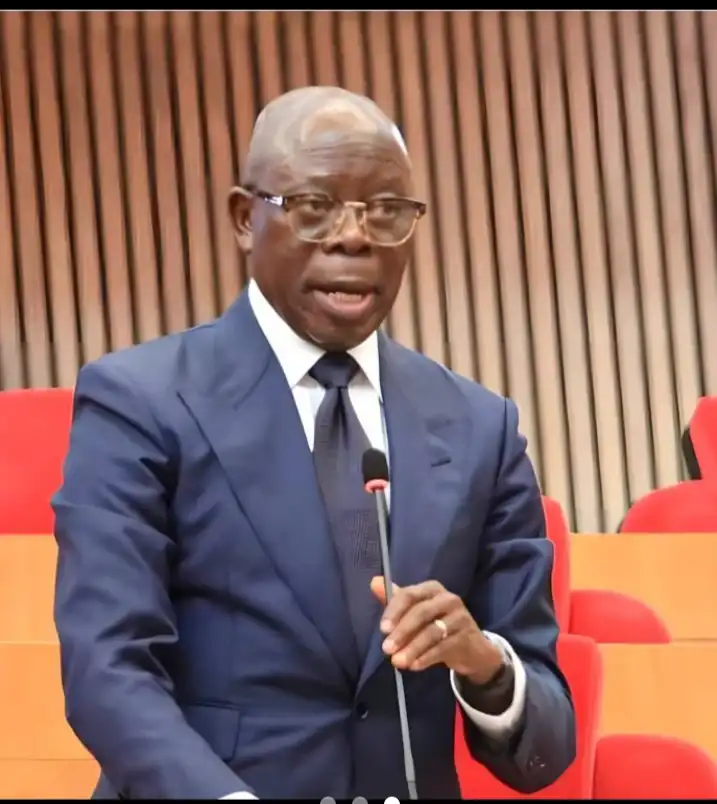
By Jonadab
Published by DocuNews Central
May 8, 2026.
Fresh tension has emerged in the Nigerian Senate after former Edo State governor Adams Oshiomhole stated that Senate President Godswill Akpabio could eventually be forced to resign if the leadership crisis within the upper chamber continues to escalate. His comments immediately triggered fresh political reactions across the country.
The statement has further deepened divisions among lawmakers and political stakeholders. Several senators have reportedly begun private consultations over the future of the Senate leadership. Meanwhile, political observers believe the latest development could reshape alliances ahead of future legislative battles.
The incident became public on Friday, May 8, 2026, in Abuja, Nigeria’s Federal Capital Territory. Oshiomhole spoke during a political gathering attended by party loyalists and supporters. His remarks quickly spread across political circles and social media platforms.
Oshiomhole Raises Questions Over Senate Stability
Oshiomhole stated that the Senate leadership cannot survive prolonged internal conflict without consequences. According to him, political pressure often forces changes when lawmakers lose confidence in leadership structures. Although he did not directly call for Akpabio’s resignation, his comments strongly suggested that such an outcome could become unavoidable.
He explained that internal disagreements within the Senate have continued to damage the image of the National Assembly. In addition, he argued that unresolved controversies weaken public trust in democratic institutions. Consequently, many political actors now believe that urgent reconciliation efforts may be required.
Several supporters of Akpabio reacted cautiously after the statement surfaced online. While some defended the Senate President, others admitted that the leadership crisis has become increasingly difficult to manage. As a result, fresh discussions reportedly began among senior lawmakers.
Political analysts noted that Oshiomhole remains influential within the ruling party despite holding no formal executive office. Therefore, many politicians interpreted his comments as a reflection of deeper concerns within influential political circles.
Also read Terrorists Capture Military Vehicles in Fresh Borno Attack
Akpabio Faces Growing Political Pressure
Godswill Akpabio has faced mounting criticism in recent months over several internal Senate disputes. Although he has repeatedly denied wrongdoing, opposition figures and some lawmakers have continued to question his leadership approach.
The Senate President has also confronted accusations relating to favoritism and alleged attempts to silence dissenting lawmakers. However, his supporters insist that many allegations against him are politically motivated. They argue that Akpabio has maintained stability despite intense political pressure.
At the same time, several senators have privately expressed concerns over growing factional disagreements inside the National Assembly. Some lawmakers reportedly fear that continued conflict could slow legislative activities. Consequently, discussions around possible leadership adjustments have intensified.
Political insiders believe Oshiomhole’s remarks may encourage more lawmakers to publicly express dissatisfaction. Therefore, the coming weeks could become critical for the Senate leadership.
How the Crisis Started
The current Senate tension reportedly began after disagreements over committee appointments and legislative priorities. Some lawmakers accused the leadership of sidelining certain regions and political interests. In response, Senate officials denied claims of bias.
Although the disagreements initially remained private, divisions gradually became more visible during plenary sessions. Heated exchanges among senators later fueled speculation about deeper internal conflicts. As tensions increased, political actors outside the Senate also became involved.
Several opposition figures criticized the ruling party for failing to manage disagreements within the National Assembly. In contrast, ruling party supporters accused opposition politicians of attempting to destabilize the Senate leadership for political advantage.
Despite repeated efforts to calm tensions, disagreements continued to grow. Consequently, political uncertainty surrounding the Senate presidency has remained a major topic within Nigeria’s political environment.
Reactions From Political Stakeholders
Different political groups reacted quickly after Oshiomhole’s comments became public. Some party loyalists described his remarks as realistic and necessary. Others, however, argued that public discussions about resignation could worsen instability within the Senate.
A senior member of the ruling party stated that internal issues should be resolved privately rather than through public comments. According to him, public speculation about resignation damages confidence in the National Assembly.
Meanwhile, opposition politicians claimed that the Senate crisis reflects broader governance problems within the ruling party. They argued that internal divisions have weakened effective leadership at the national level.
Civil society organizations also expressed concern over the growing tension. Some groups called for transparency and dialogue among lawmakers. In addition, several political commentators urged senators to focus on governance rather than leadership struggles.
Possible Impact on Legislative Activities
Political analysts believe the Senate crisis could affect legislative productivity if tensions continue to rise. Important national bills may face delays as lawmakers focus more on internal political survival.
Several observers warned that prolonged instability could create uncertainty around key government policies. Therefore, some stakeholders have urged immediate reconciliation among senators.
The Senate plays a major role in approving national budgets, confirming appointments, and reviewing executive policies. Consequently, leadership instability within the chamber could have wider national implications.
Some analysts also warned that growing divisions may influence future elections within the National Assembly. As alliances shift, lawmakers may begin repositioning ahead of possible leadership contests.
Supporters Rally Around Akpabio
Despite increasing criticism, Akpabio continues to enjoy support from several influential lawmakers. His allies insist that he remains committed to legislative stability and national development.
Some senators dismissed resignation speculation as premature and politically motivated. According to them, Akpabio still commands significant support within the Senate. Therefore, they believe attempts to remove him may fail.
Several supporters also argued that political disagreements are normal within democratic institutions. They stated that leadership changes should only occur through constitutional procedures rather than public pressure.
Meanwhile, pro-Akpabio groups have intensified efforts to defend his record. They insist that recent controversies have been exaggerated by political opponents seeking influence within the Senate.
What Happens Next?
Political observers believe private meetings among senators will likely continue in the coming days. Lawmakers are expected to evaluate the growing pressure surrounding the Senate leadership crisis.
Some insiders predict reconciliation efforts may begin soon to prevent further escalation. Others, however, believe deeper political divisions could make compromise difficult.
At the moment, Akpabio has not officially responded to Oshiomhole’s remarks. Nevertheless, his allies continue to dismiss resignation discussions as speculation.
The situation remains fluid as political stakeholders closely monitor developments inside the National Assembly. Consequently, Nigerians are expected to witness more political negotiations in the coming weeks.
National Attention Shifts to the Senate
The latest development has once again shifted national attention toward the Nigerian Senate. Citizens across the country continue to debate the future of the current leadership.
Many Nigerians expressed concern over repeated political crises within key democratic institutions. Some citizens argued that lawmakers should prioritize economic and security challenges affecting ordinary Nigerians.
Others, however, defended political debates as part of democratic governance. According to them, leadership accountability remains important within every democratic institution.
As reactions continue nationwide, attention now focuses on whether the Senate leadership can survive the growing political pressure. For now, uncertainty continues to dominate discussions surrounding the future of the upper legislative chamber.
For more updates on Nigerian politics and the National Assembly, visit Nigeria National Assembly.
Additional political developments can also be monitored through the Premium Times Nigeria website.
