
Israeli-Iran-U.S War
US Denies Targeting School in Alleged US-Israeli Strike as Iran Claims 168 Killed

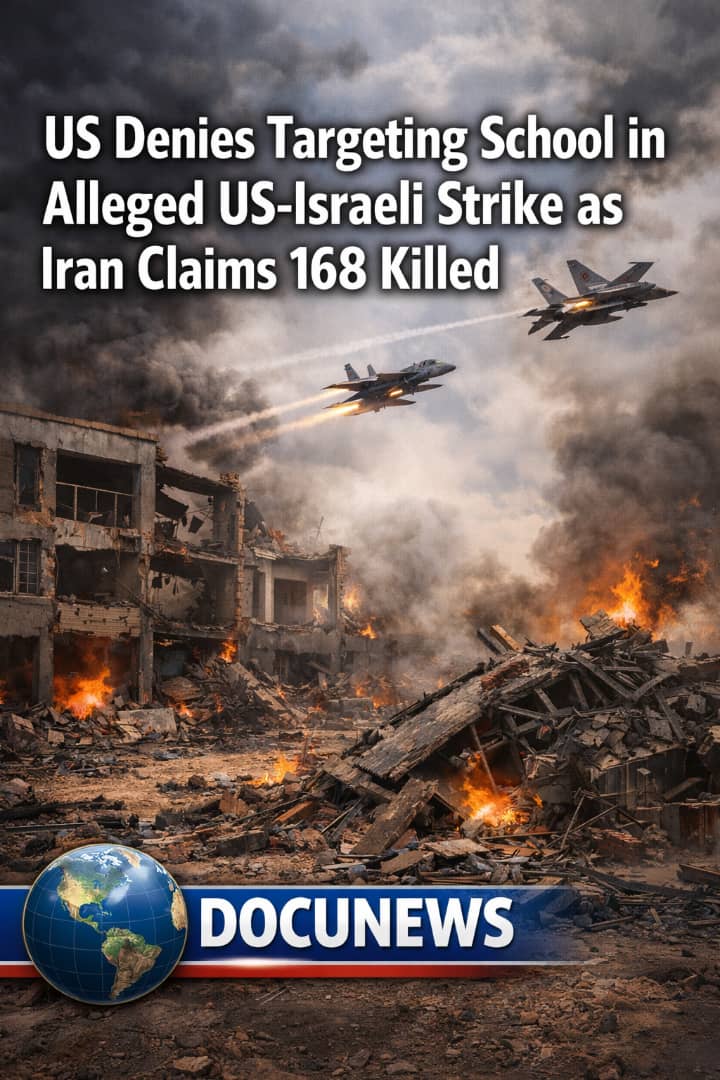
US Denies Targeting School in Alleged US-Israeli Strike as Iran Claims 168 Killed has quickly become one of the most searched global security headlines. The controversy centers on Iranian claims of 168 deaths following an alleged US-Israeli strike, while Washington firmly rejects accusations that a school or civilian infrastructure was deliberately targeted. As tensions rise in the Middle East, the Pentagon investigation into the reported incident has drawn worldwide attention and triggered urgent diplomatic reactions.
The incident reportedly occurred in Iran, according to statements released by Iranian authorities. Officials in Tehran claimed that the strike hit near or on a school facility, leading to heavy casualties. Meanwhile, officials in Washington responded swiftly. The precise date and specific location remain under review as defense authorities examine operational data, surveillance reports, and intelligence assessments.
Speaking to reporters, US Secretary of State Marco Rubio stated that the United States does not intentionally target civilian sites such as schools. He emphasized that American military objectives focus strictly on missile manufacturing facilities and launch capabilities. At the same time, he confirmed that the United States Department of Defense is reviewing the situation thoroughly.
Iranian Claims and Immediate Reactions
Iranian state media reported that 168 people lost their lives in what officials described as a coordinated US-Israeli strike. According to their account, the attack struck close to a school compound during active hours. As a result, public outrage spread quickly across several Iranian cities. Protests were organized, strong statements were issued, and diplomatic channels were activated.
However, Western officials challenged that narrative. They stressed that early battlefield information often proves inaccurate. Moreover, they warned against drawing firm conclusions before independent verification takes place. In modern conflict zones, misinformation spreads rapidly. Therefore, governments now move cautiously before confirming sensitive details.
Iran has accused both the United States and Israel of escalating hostilities. Nevertheless, military analysts argue that missile infrastructure remains a primary strategic target in the broader regional standoff. That distinction matters because it shapes how international law evaluates the strike.
Also Read Iran’s Military Leadership Wiped Out, Trump Says
Rubio’s Statement and US Position
During a press briefing, Rubio made the US position clear. He stated that the country would not deliberately strike a school. Instead, he explained that military planners focus on disabling missile production and launch sites. In addition, he reaffirmed compliance with international humanitarian law.
Importantly, he did not dismiss the seriousness of the allegation. Rather, he stated that the Pentagon is reviewing operational footage, satellite imagery, and intelligence logs. That review process includes coordination with allies and internal legal teams. Consequently, final conclusions may take time.
The United States has consistently maintained that its operations target military assets. For official policy statements, readers may consult the US Department of Defense website at https://www.defense.gov.
Understanding Military Targeting Protocols
Military targeting decisions follow structured procedures. First, intelligence analysts identify potential threats. Next, legal advisers review targets to ensure compliance with international law. After that, commanders authorize strikes only if objectives meet strict operational criteria.
Furthermore, modern systems rely heavily on satellite surveillance, drone reconnaissance, and precision-guided munitions. These technologies are designed to reduce civilian harm. However, despite advanced tools, errors can still occur. Equipment can malfunction, and intelligence can prove incomplete. Combat environments remain unpredictable.
International humanitarian law requires distinction and proportionality. Armed forces must distinguish between civilian and military objects at all times. They must also avoid excessive civilian harm relative to anticipated military advantage. The United Nations outlines these principles at https://www.un.org.
Why Missile Infrastructure Remains a Strategic Focus
The Middle East has experienced rising tensions linked to missile capabilities. Iran has invested heavily in ballistic missile programs. Consequently, regional rivals view those capabilities as a direct security threat. Therefore, missile production facilities often become priority targets during escalations.
Rubio emphasized that US objectives center on the ability to manufacture and launch missiles. This clarification attempts to separate military strategy from allegations involving civilian facilities. Still, critics argue that strikes in densely populated areas increase risks regardless of intent.
Defense experts note that underground storage sites and dual-use facilities complicate battlefield decisions. Some industrial sites may serve both civilian and military purposes. As a result, determining their function can become challenging in high-pressure situations.
Don’t miss this How Many Iranian Commanders Have The Israeli Air Force Eliminated?
Regional Tensions and Diplomatic Fallout
As news of the alleged strike spread, diplomatic engagement intensified. Iran signaled that it may raise the issue at international forums. Meanwhile, Western governments called for restraint and urged all sides to avoid further escalation.
Additionally, humanitarian organizations expressed concern over civilian safety. Global relief agencies emphasized the importance of protecting non-combatants and ensuring access to medical assistance in affected areas.
At the same time, global energy markets reacted cautiously. Oil prices showed volatility as investors monitored developments closely. Because the region plays a central role in global energy supply, military escalation often affects international markets.
Media Narratives and Information Flow
Modern conflicts extend beyond physical battlefields. They also unfold online. Competing narratives emerge quickly, and social media amplifies unverified footage. Consequently, public perception can shift rapidly before official findings are released.
Iranian outlets presented the incident as deliberate aggression. Conversely, US officials framed it as a targeted strike against missile capabilities. Therefore, audiences worldwide receive sharply different accounts depending on their news sources.
Independent reporting remains essential. International media organizations such as Reuters and Al Jazeera continue to provide updates at https://www.reuters.com and https://www.aljazeera.com.
Impact on Civilian Populations
If the casualty figure proves accurate, the human cost would be devastating. Families would face profound loss, and communities would struggle to recover. Schools symbolize safety and education. Therefore, allegations involving educational facilities generate intense emotional reactions worldwide.
However, confirmation remains pending. Pentagon investigators must analyze all available evidence before drawing conclusions. Independent monitors may also attempt to verify claims. Until that process concludes, uncertainty continues to shape discussions.
DocuNews Central Perspective
At DocuNews Central, we believe verified facts must guide public discussion. Allegations of civilian casualties demand serious and transparent investigation. At the same time, responsible journalism avoids premature conclusions.
Transparency builds trust. Governments should release findings promptly once reviews conclude. Independent observers should gain access where possible. This approach reduces speculation and strengthens accountability.
DocuNews Central Opinion
DocuNews Central maintains that every military power must uphold international humanitarian law without exception. If a school was struck intentionally, accountability must follow. However, if the intended target involved missile infrastructure and civilian harm occurred unintentionally, transparency and corrective measures should address the outcome responsibly.
We also encourage independent verification of the reported 168 casualties. Accurate information ensures informed global response. Emotional narratives should never overshadow confirmed evidence. Diplomatic engagement must accompany investigative processes.
Conclusion
US Denies Targeting School in Alleged US-Israeli Strike as Iran Claims 168 Killed reflects the fragile balance between military strategy and humanitarian responsibility. Iran alleges heavy casualties, while the United States rejects claims of deliberate attacks on civilian infrastructure. Meanwhile, the Pentagon continues its review.
As investigations proceed, international observers await verified findings. Transparency will shape credibility, and accountability will influence diplomacy. Ultimately, stability in the Middle East depends on restraint, clarity, and adherence to international law.
For continued updates and balanced reporting, follow DocuNews Central.
Also Visit Israeli-Iran-U.S War