
Security updates Nigeria
Nigerian Military Kills 300 Terror Suspects in Fresh Offensive

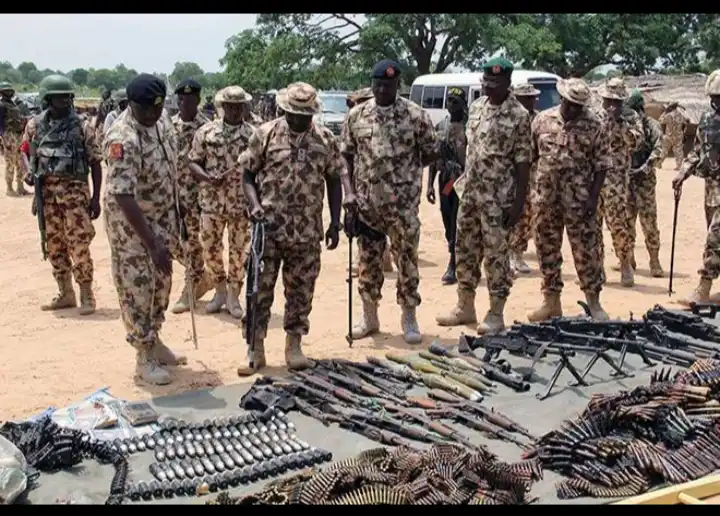
Nigeria’s military has announced a major breakthrough in its ongoing counter-terrorism campaign, revealing that more than 300 suspected terrorists were killed during a renewed wave of coordinated operations across the Northeast and Northwest regions of the country. The latest offensive, described by security officials as one of the most aggressive in recent months, targeted insurgent strongholds believed to be linked to Boko Haram and the Islamic State West Africa Province (ISWAP), two groups that have continued to pose serious threats despite years of sustained military action.
The development comes at a time when public concern over insecurity remains high across Nigeria. For years, communities in the northern region have faced deadly attacks, abductions, displacement, and destruction of livelihoods caused by insurgent violence. Many Nigerians have repeatedly called for stronger and more visible military action, making this latest announcement significant in the country’s broader security conversation.
Major Military Push Across Key Terror Zones
Military authorities disclosed that the operation was carried out under Operation HADIN KAI, the joint task force responsible for leading Nigeria’s counter-insurgency campaign in the Northeast. According to officials, the mission focused heavily on terrorist enclaves in Yobe and Borno states, two areas that have remained central battlegrounds in Nigeria’s long-running fight against insurgency.
Speaking during a press briefing in Damaturu, Sector 2 Commander Brigadier General Beyidi Martins said troops launched sustained ground assaults backed by intelligence-led operations targeting multiple locations believed to be serving as active operational bases for insurgents. He noted that the offensive was carefully planned and executed over several phases, allowing troops to strike both known camps and emerging threat zones.
Among the key locations targeted were areas within the notorious Timbuktu Triangle, a forested and difficult terrain long regarded as one of the most dangerous terrorist hideouts in the Northeast. Specific locations named by the military included Buk, Chileria, Kafa, Abbagajiri, and Maisani—areas security experts say have historically provided safe cover for insurgent regrouping, logistics planning, and recruitment activities.
Over 250 Fighters Eliminated in Direct Combat
Military figures released during the briefing showed that more than 250 fighters linked to Boko Haram and ISWAP were neutralized during direct combat operations. Troops reportedly engaged the insurgents in multiple intense firefights during clearance missions, forcing many militants to abandon camps and retreat deeper into surrounding forest areas.
In addition to the ground offensives, military officials revealed that more than 200 insurgents were killed while attempting coordinated attacks on Nigerian military formations located in Kukareta, FOB Azir, Gonori, Buni Gari, and Katarko. These attacks, according to security analysts, may have been an attempt by the insurgents to test military defenses or retaliate against ongoing pressure from security forces.
However, the military stated that all attempted assaults were successfully repelled, with troops maintaining control of all strategic positions. Officials say this demonstrates growing military readiness and improved battlefield coordination across frontline units.
“This operation demonstrates the growing capability of Nigerian troops to detect, disrupt, and neutralize terrorist threats before they can strike civilian communities,” a senior security source told DocuNews Central.
Large Cache of Weapons and Bomb Materials Seized
Beyond the reported casualties, military authorities said one of the most important outcomes of the offensive was the recovery of a large stockpile of weapons and logistics supplies believed to have been used by the insurgents. Security officials described the seizures as a major blow to the operational capacity of terror groups in the region.
Recovered items included AK-47 rifles, PKT machine guns, rocket-propelled grenade launchers, hand grenades, mortar bombs, communication radios, motorcycles used for rapid attacks, large fuel reserves, food supplies, and multiple components believed to be used in the production of Improvised Explosive Devices (IEDs).
Security experts say cutting off access to logistics is often just as important as eliminating fighters on the battlefield. Without adequate access to weapons, fuel, mobility tools, food, and communication devices, insurgent groups typically struggle to regroup after suffering major losses.
Also read Army Links Cattle Markets to Boko Haram Funding
Terror Camps and Strategic Infrastructure Destroyed
Brigadier General Martins also disclosed that troops destroyed several terrorist camps and operational infrastructure during the latest offensive. These facilities, according to the military, served as important support hubs for insurgent planning and execution.
Among the structures destroyed were detention sites used to hold kidnapped victims, bomb-making workshops, vehicle-borne explosive devices, underground storage bunkers, and tactical meeting locations believed to be used by senior commanders. Military engineers reportedly carried out controlled demolitions after troops secured the targeted areas.
Officials say the destruction of these camps is expected to significantly disrupt planned attacks and weaken the insurgents’ ability to coordinate future operations across the region.
Why the Timbuktu Triangle Remains Critical
The Timbuktu Triangle has long been regarded as one of the most difficult battlegrounds in Nigeria’s fight against insurgency. Located between parts of Yobe and Borno, the area is characterized by dense vegetation, difficult terrain, and limited road access—conditions that have historically favored insurgent movement and concealment.
For years, Boko Haram and ISWAP have used the area to launch ambushes, train recruits, store weapons, and evade military surveillance. Because of its strategic importance, military analysts say controlling the Timbuktu Triangle is essential to weakening terrorist operations across the Northeast.
The latest operation suggests the Nigerian military may now be prioritizing sustained pressure in the zone rather than temporary offensives, a strategy experts say could deliver longer-term gains.
Improved Military Tactics Driving Results
Security observers believe the latest military success may be linked to notable changes in battlefield strategy. Over the past year, Nigerian forces have increasingly adopted intelligence-led tactics supported by improved aerial surveillance and faster troop deployment systems.
Analysts point to stronger coordination between air and ground units, more targeted disruption of insurgent supply routes, and quicker response times to attempted attacks. Together, these adjustments appear to be increasing military efficiency and reducing opportunities for insurgents to regroup.
Experts say if these strategies are sustained, they could significantly weaken the operational resilience of terror groups over time.
Communities Still Living Under Fear
Despite these military gains, residents in many affected communities say fear remains widespread. In several rural parts of Borno and Yobe, villagers continue to worry about sudden raids, kidnappings, and roadside bomb attacks. For many families, the trauma of repeated violence has not faded.
Thousands of displaced persons remain in camps, unable to safely return home. Local humanitarian workers say the humanitarian crisis remains severe, with many communities still lacking access to education, healthcare, and basic economic opportunities.
Farmers in some areas continue to avoid farmlands because of security concerns, while local markets operate under tight security watch. Although military victories bring hope, residents say lasting peace is what they truly need.
Boko Haram and ISWAP Still Pose a Threat
Although both Boko Haram and ISWAP have suffered repeated military setbacks over the years, security experts warn that the groups remain dangerous. Their tactics have evolved significantly, making them harder to eliminate completely.
Instead of holding large territories as they once did, the groups increasingly rely on hit-and-run attacks, improvised explosive devices, ambushes on highways, kidnappings, raids on isolated communities, and targeted attacks on military outposts. This flexible style of warfare allows them to remain disruptive even after suffering battlefield losses.
“They adapt quickly. Every time they lose territory, they change tactics. That is why sustained pressure matters,” one regional security analyst explained.
Government Faces Rising Security Pressure
The latest military announcement also comes as the Nigerian government faces growing pressure to improve security nationwide. While the Northeast remains a major battlefield, insecurity has spread into multiple regions across the country.
The Northwest continues to struggle with armed banditry and mass kidnappings, while North Central states face deadly communal violence and rural attacks. In the Southeast, separatist-linked violence has created additional security concerns. These overlapping challenges have increased public expectations on the military and security agencies.
Citizens increasingly want not just military victories, but visible and lasting improvements in everyday safety.
Military Promises More Operations Ahead
Military authorities insist the latest offensive is only one phase of a broader campaign. Officials say operations will continue until remaining insurgent cells are dismantled and major terror networks are broken apart.
Additional troop deployments, intelligence-led raids, and aerial surveillance missions are expected in the coming weeks. Security sources suggest future operations may target deeper forest corridors believed to connect insurgent movement between states.
Military commanders have also promised stronger measures to protect civilians, particularly in vulnerable rural communities.
Hope Mixed With Caution
For many Nigerians, the report that more than 300 suspected terrorists were killed is encouraging news. It signals that security forces remain active and committed to confronting insurgent threats across troubled regions.
However, security analysts continue to caution against declaring victory too early. Nigeria’s insurgency has lasted more than a decade, and past military successes have sometimes been followed by renewed attacks. Long-term peace, they argue, will require more than battlefield wins.
Experts say lasting success depends on rebuilding affected communities, restoring trust between civilians and security agencies, improving intelligence sharing, supporting displaced families, and maintaining sustained military pressure. Until that happens, many communities in the Northeast will remain hopeful—but cautious—about what comes next.
For more security Updates In Nigeria Visit Security updates Nigeria and Legit.ng